An official Toyama Bay mirage-observation camera from Uozu Buried Forest Museum, looking from the Uozu coast towards Iwase in Toyama City. Mirages depend on weather and season and are not always visible; at night only distant coastal lights may be seen. Broadcasts restart in separate sessions, so the link opens the official channel's current live page. The museum's original page also offers views towards Imizu and Kurobe. The marker is an approximate museum-area reference, not an exact camera mount.
Image update intervals and capture times depend on the operator. Check the official page for current broadcast status.
How to view this camera
What the camera shows
Toyama Bay from Uozu's coastal mirage-observation area
Viewing format
YouTube channel
Open the YouTube channel and choose an active broadcast for this location. The channel may also list recordings of earlier streams.
When to choose this view
Select the museum’s active Toyama Bay broadcast for mirage observation, distinguishing Iwase, Imizu and Kurobe directions at the source.
What this view cannot tell you
An unstable-looking horizon alone does not confirm a mirage. Use weather context and the museum’s observation guidance.
If no stream is active, check the operator’s camera page for an update. Recordings and channel previews may not show current conditions.
“Connection last checked” records a link check, not an image capture time or confirmation of a live broadcast.
The camera only covers its field of view. Check the relevant official notices for weather, transport and access restrictions. Source information
During an earthquake, severe rain, typhoon or other emergency, use this view only as a reference. Follow official weather, disaster and transport alerts, plus instructions on site, when deciding whether to evacuate or travel.
The roadside station's official website links to its coastal live-camera channel. Check the Amaharashi coast and Toyama Bay scenery before visiting. The button opens the official channel's live-stream list; consult it for current broadcasting status. The marker represents the approximate roadside-station location.
Nanto City's tourism camera provides periodic views of the World Heritage Ainokura gassho village and nearby terraced fields. The visible scene depends on the original camera's selected direction. The marker is approximate around the entrance parking area. Because the official site prohibits unauthorized image reuse, this listing links to the city viewer without copying its preview.
Nanto City's tourism camera shows the World Heritage Suganuma gassho village in periodic images. The marker uses the city's mapped Niter Museum area within the village as an approximate reference. Suganuma is distinct from Ainokura and from Shirakawa-go in Gifu. Image-reuse restrictions mean that viewing takes place on the official city page.
Toyama Television's official Himi weather camera provides coastal scenery toward Toyama Bay. The approximate marker uses the Himi Station/Jizomachi area identified for the camera, not a verified mount. This is a distant coastal and harbor view, not a dedicated camera inside Himi Banya-gai market. The button opens the official YouTube feed.
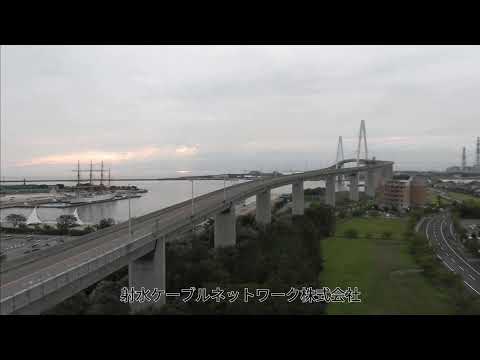
Imizu Cable Network's official live camera shows the Kaiwomaru Park waterfront. The city's tourism-camera notice locates it on a building rooftop near the park and Shinminato Bridge. The approximate park reference is not the exact rooftop mount. The visible sailing ship, bridge and Toyama Bay scenery varies with camera direction. Open the original YouTube feed to view it.
The official Kurobe Dam page provides periodic dam and mountain views approximately every 60 seconds. Its stated camera season is April 15–November 30, with sightseeing discharge June 26–October 15. This approximate observatory/rest-area marker is separate from the Kurobedaira camera. Check capture times and seasonal notices on the original page.