
Japan IC cards
Buying, topping up and refunds
If you already have Suica, you do not need to buy Hayakaken in Fukuoka. Use your existing card on trains, buses and in shops displaying the nationwide IC acceptance mark.
Before buying a new card, find out where you can get a refund. Hayakaken works in Tokyo too, but you must return it to a Fukuoka City Subway counter for a refund.
Official information checked · Standard adult cards
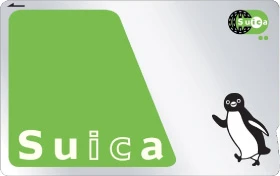
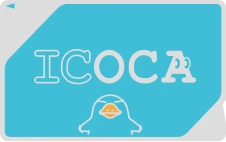
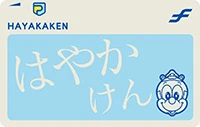
Look for the nationwide IC acceptance mark.
02 · RefundsFind the right refund counterUsing a card somewhere does not mean you can get a refund there.
03 · MobileUse iPhone or Apple WatchAdd a transit card in the Wallet app.
Where will you buy your card?
You can buy Suica or PASMO in Tokyo, ICOCA in Osaka, and Hayakaken, SUGOCA or nimoca in Fukuoka. Choose your destination to see the available cards and where to buy or return them.
Hokkaido
北海道Kitaca sold by JR also works in other cities. SAPICA, sold for Sapporo’s subway, has limited coverage.
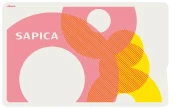
SAPICAサピカ
Sapporo subway · Trams · Selected buses
- Deposit
- 500 JPY
- Refund fee
- 200 JPY
Tohoku
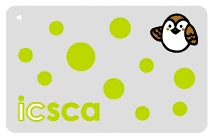
東北If buying in Sendai, note that Suica and icsca have different service areas. Choose nationwide-interoperable Suica if you also need a card in other cities. Some Tohoku stations and buses do not accept IC cards.
Tokyo / Kanto
東京 / 関東Buy Suica or PASMO, or use an existing ICOCA or Hayakaken on participating nationwide routes. Welcome Suica has an expiry date and no ordinary balance refund.
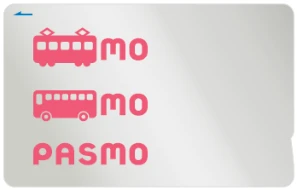
PASMOパスモ
Tokyo metropolitan area · Private railways, subways and buses
- Deposit
- 500 JPY
- Refund fee
- 220 JPY
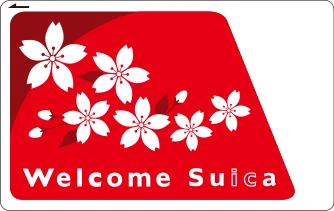
Welcome Suicaウェルカムスイカ
For visitors arriving in Tokyo
- Deposit
- 0 JPY
- Refund fee
- No standard balance refund
Nagoya / Chubu
名古屋 / 中部Nagoya offers JR’s TOICA and manaca from the subway, Meitetsu and other operators. Some routes in Niigata and Nagano sell Suica, while some in Hokuriku sell ICOCA. Sales points depend on the city and railway.
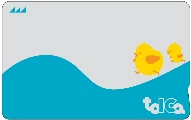

manacaマナカ
Nagoya Subway · Meitetsu and other operators
- Deposit
- 500 JPY
- Refund fee
- 220 JPY
Osaka / Kansai
大阪 / 関西ICOCA can be bought and topped up immediately at a station during your trip. PiTaPa is a post-pay card requiring application and screening.

PiTaPaピタパ
Kansai private railways · Subways and other services
- Deposit
- Membership conditions apply
- Refund fee
- Ask the issuer
Hiroshima / Chugoku
広島 / 中国Use ICOCA on railways and buses accepting it. Some bus companies use local cards or separate mobile tickets, so read the operator’s payment instructions before boarding.
Shikoku
四国Iyotetsu in Matsuyama accepts nationwide cards such as ICOCA. Coverage varies on JR Shikoku and routes in Takamatsu, Kochi and Tokushima. Local cards such as IruCa and DESUCA are not usable nationwide.
Fukuoka / Kyushu
福岡 / 九州Buy Hayakaken from Fukuoka City Subway, SUGOCA from JR Kyushu, or nimoca from Nishitetsu. All three are nationwide interoperable, but refund counters differ. Some regional buses in Kyushu do not accept nationwide cards.
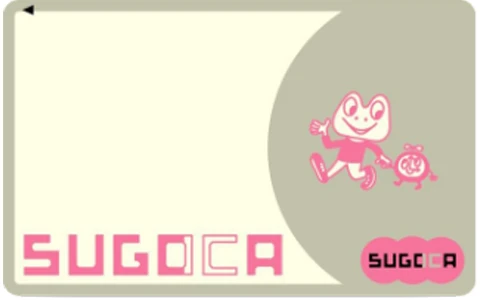
SUGOCAスゴカ
Fukuoka and other JR Kyushu service areas
- Deposit
- 500 JPY
- Refund fee
- 220 JPY

nimocaニモカ
Fukuoka · Nishitetsu and other operators
- Deposit
- 500 JPY
- Refund fee
- 220 JPY
Okinawa
沖縄Yui Rail accepts both nationwide cards such as Suica and local OKICA. Bus acceptance depends on the operator and route. OKICA is for the main island; research transport separately for Ishigaki and Miyakojima.

OKICAオキカ
Okinawa main island · Yui Rail · Selected buses
- Deposit
- 500 JPY
- Refund fee
- Varies by company
This guide covers 14 major IC cards. Commuter passes, child cards and commemorative editions may have different purchase and refund conditions.
Where can you use a card, from trains to convenience stores?
Trains, subways and buses
Use your card on routes accepting nationwide interoperable IC cards. Tap the same card when entering and leaving train ticket gates. On buses, you may tap when boarding, when getting off, or both; follow the signs at the door and on board.
Convenience stores, restaurants and vending machines
Look for the IC payment symbol. At a checkout, say the card name, such as Suica or ICOCA, then tap when the amount appears on the reader. At a vending machine, choose your item and follow the machine’s instructions.
Hotels, shops and lockers
You can pay at participating hotels and shops, and use IC-compatible coin lockers. A hotel may accept IC payment in its shop without accepting it for room charges. Ask about acceptance and payment limits before planning to pay for your stay.
Sources: nimoca nationwide interoperability · Fukuoka City Subway usage guide · icsca FAQ · Checked 2026-10-17
How to buy and top up a physical IC card
Buying your first card
- Use a station ticket machine or sales counter.
Use the sales points listed in each regional card guide. Many convenience stores can top up cards but do not sell new ones.
- Visit a counter for child or registered cards.
A child card requires proof of age. A registered card may also require identity checks and personal information. An unregistered card is generally difficult to replace if lost.
- Your usable balance excludes the deposit.
A standard ICOCA costing ¥2,000 includes a ¥500 deposit, leaving ¥1,500 for transport and shop payments.
Adding money
- Use a station top-up machine or a participating convenience store.
Suica and ICOCA can be topped up at station machines and convenience stores offering IC top-ups. For SAPICA, icsca and OKICA, use top-up locations supporting that specific card.
- Select 「チャージ」 (top up) on the machine.
Insert the card or place it on the marked reader, choose an amount and insert cash. At a convenience store, show your card and tell the staff how much to add. Accepted amounts and banknotes vary by machine.
- Collect your card and change when the top-up finishes.
Check the amount on the screen or receipt. Standard prepaid cards such as Suica and ICOCA can hold up to ¥20,000.
Sources: ICOCA · Top-up instructions · Checked 2026-10-17
Where do you return a card?
Return Hayakaken to Fukuoka City Subway. For Suica issued by JR East, use a designated JR East counter. You cannot return a card in every city where it works. If you leave Fukuoka for Tokyo before flying home, return Hayakaken before leaving Fukuoka or keep it for another trip.
Remaining balance − refund fee + deposit = refund
If Hayakaken has less than ¥220 remaining, only that balance is taken as the fee and the ¥500 deposit is returned. SAPICA’s fee is ¥200; OKICA’s varies by refund operator. Cards with commuter passes, mobile cards and cards combining credit functions follow separate procedures.
Sources: Hayakaken refunds · SAPICA · OKICA · Checked 2026-10-17
Instead of a physical card
Can you use Apple Wallet?
Yes. Add Suica, PASMO or ICOCA to Apple Wallet, then tap your iPhone or Apple Watch to ride participating trains and buses or pay in shops. Hayakaken cannot be added to Wallet, but mobile Suica and other nationwide cards work on participating routes in Fukuoka.
Adding a credit card to Apple Pay does not create a Japanese transit card. Add and fund a transit card separately in Wallet.
- 1Open Wallet and tap +.
- 2Choose Transit Card, then select Suica, PASMO or ICOCA.
- 3Choose an amount to add and pay with an eligible payment card.
- 4Use the device with the card set to Express Mode, and tap it at the gate.
Apple Wallet needs a compatible device, two-factor authentication and an eligible payment card. Support depends on the card issuer and card type, not your nationality. Confirm that your payment card supports Japanese transit top-ups before relying on mobile-only travel.
Devices, top-ups and refunds: what to know
- Generally, you need iPhone 8 or later, or Apple Watch Series 3 or later, running the latest supported OS. Certain older devices sold in Japan have separate Suica-only conditions. Enable two-factor authentication for your Apple Account.
- Adding and topping up a card requires an eligible payment card. A card that supports Apple Pay is not necessarily eligible for transit top-ups. Apple Pay age requirements vary by country or region.
- You can also transfer an eligible physical card to Wallet. Only supported card types can be transferred, and the physical card stops working after the transfer.
- In Wallet, TOICA is added or transferred as the TOICA model of ICOCA. You then manage it through JR West’s ICOCA service.
- One transit card cannot be on iPhone and Apple Watch at the same time. Two travellers need separate cards.
- Removing a card from Wallet does not automatically refund its balance. Apply through the relevant card app; refund conditions can include a required bank account.
- Welcome Suica Mobile is separate from physical Welcome Suica. Their validity periods differ, so use the expiry date shown in the mobile app.
Official information checked 2026-10-17
What should you do if you lose an IC card?
Finding the physical card and recovering its balance are separate matters. Contact the station or transport operator’s lost-property office to look for a lost card. If it cannot be found, whether the balance can be protected depends on the card type.
Unregistered Suica and PASMO cannot be replaced if lost
Unregistered Suica, PASMO and standard unregistered adult ICOCA cards cannot be replaced after loss. If you cannot recover the physical card, you cannot transfer the remaining balance to a new card or obtain a refund. A lost or stolen physical Welcome Suica cannot be replaced either. A photograph of the card or a purchase receipt does not establish eligibility for replacement.
For an eligible registered card, request suspension and replacement
Registered My Suica, PASMO and Hayakaken cards can be replaced after identity checks, subject to their conditions. For ICOCA, check whether the card is an eligible type, such as a child’s card or commuter-pass card. Application and collection locations vary; not every station in Japan can handle the process. For example, apply for a registered Hayakaken replacement through Fukuoka City Subway, then collect it from the next day within 14 days, paying a JPY 520 fee and a JPY 500 deposit for the new card.
If your phone or watch is lost, turn on Lost Mode first
If you lose your iPhone or Apple Watch, use Find My on another device or through iCloud to mark it as lost. Suspend the use of cards in Apple Wallet, then follow the transit card issuer’s app or official recovery and replacement instructions. The procedure depends on your account and device status. Losing the device does not automatically refund your balance.
What to do as soon as you notice the loss
- Contact the last station, bus operator or facility you used about lost property. Searching for the item is separate from suspending the card and requesting a replacement.
- If your card is eligible for replacement, take the required identification to a counter handling that card and request suspension. Details such as your registered name and date of birth must match.
- Confirm when and where to collect the replacement and what fees apply. Even with a registered card, spending by someone else before suspension is completed may not be covered. Arrange tickets or another payment method for travel until your replacement is ready.
Reporting the loss does not necessarily suspend the card immediately or guarantee full compensation. If you find the original card after requesting a replacement, you may be unable to cancel the request or use that card again. Follow the issuer’s instructions.
Official lost-card and replacement information: Suica · PASMO · ICOCA · Hayakaken · Welcome Suica · Apple · Lost-card information checked
More IC card questions
Can I use a card bought in Tokyo in Fukuoka?
Yes. Suica, PASMO and ICOCA work on trains, buses and in shops accepting nationwide interoperable IC cards in Fukuoka. You do not need to buy Hayakaken just because you are in Fukuoka. Refunds must be obtained at a designated counter of the card’s issuer.
Sources: Nationwide interoperability · ICOCA usage guide · Checked 2026-10-17
Can I spend the ¥500 deposit on fares?
No. The deposit is held until you return the card and cannot be spent on fares. For example, a ¥2,000 card including a ¥500 deposit has ¥1,500 of usable balance. When you return it, the deposit and remaining balance are refunded under the card’s refund rules.
Sources: Nationwide interoperability · ICOCA usage guide · Checked 2026-10-17
Can two people pass through the gates with one card?
Each person needs a separate card at train gates, including separate mobile cards. To obtain a child card, bring proof of age and apply at a sales counter.
Sources: Nationwide interoperability · ICOCA usage guide · Checked 2026-10-17
How is an IC card different from a JR Pass?
An IC card such as Suica or ICOCA deducts the fare from its balance each time you travel. A JR Pass is a ticket covering specified routes and trains for a set period. For Shinkansen or limited express journeys, check whether tapping is sufficient or a separate ticket or reservation is needed.
Sources: Nationwide interoperability · ICOCA usage guide · Checked 2026-10-17
Can I recover the balance if I lose my IC card?
Unregistered Suica, PASMO and standard unregistered adult ICOCA cannot be replaced after loss. If the physical card cannot be found, its balance cannot be transferred or refunded; a photo or receipt alone does not make it replaceable. Eligible registered My Suica, PASMO and Hayakaken cards can be replaced after identity checks, but spending by someone else before suspension is completed is not necessarily covered. A lost or stolen physical Welcome Suica cannot be replaced either.
Official lost-card and replacement information: Lost cards and replacements · Lost-card information checked 2026-10-18
I lost the phone holding my Apple Wallet transit card. What should I do?
First, use Find My on another device or through iCloud to mark the device as lost and suspend the use of its Apple Wallet cards. Then follow the transit card issuer’s recovery or replacement instructions. The steps depend on your account and device status. Losing your phone does not automatically refund the balance.
Official lost-card and replacement information: Lost cards and replacements · Lost-card information checked 2026-10-18
Plan transport in your destination too
Once you have a card, look up the trains and buses between your accommodation and the places you want to visit. Our city guides also explain how to get around.