Japan festivals: find an event for your travel month
Travelling from Australia? Choose your month and city to find snow sculptures, float parades, lantern nights or traditional dance. This guide covers 48 selected festivals and events across all 47 Japanese prefectures, with places to watch, public-transport approaches and official links.
Published edition dates, usual seasons and past events are labelled separately. This is an editorial selection, not a live event feed or a complete calendar of every festival. Official information reviewed for the shared inventory: .
Match the festival to your Japanese itinerary
Japan’s seasons are opposite to Australia’s. A January trip means winter in Japan; July means summer. Check your state’s school-holiday dates against the actual festival programme rather than choosing by the Australian season alone.
For a first festival visit, decide what you want to watch before selecting accommodation: a daytime float display, an evening parade and a dawn race can require different places to stay. Some events also move between a shrine, city streets and a waterfront. The entry below explains which arrival station or transport connection fits the main viewing area.
Confirm the edition’s dates, admission rules and return transport before booking around it. A past date is not next year’s schedule, and a usual month does not mean tickets or a particular performance are available.
The planning tips are editorial travel suggestions by JapanLiveNow. Each Google Maps reference marks one main venue or information point, not an entire procession route.
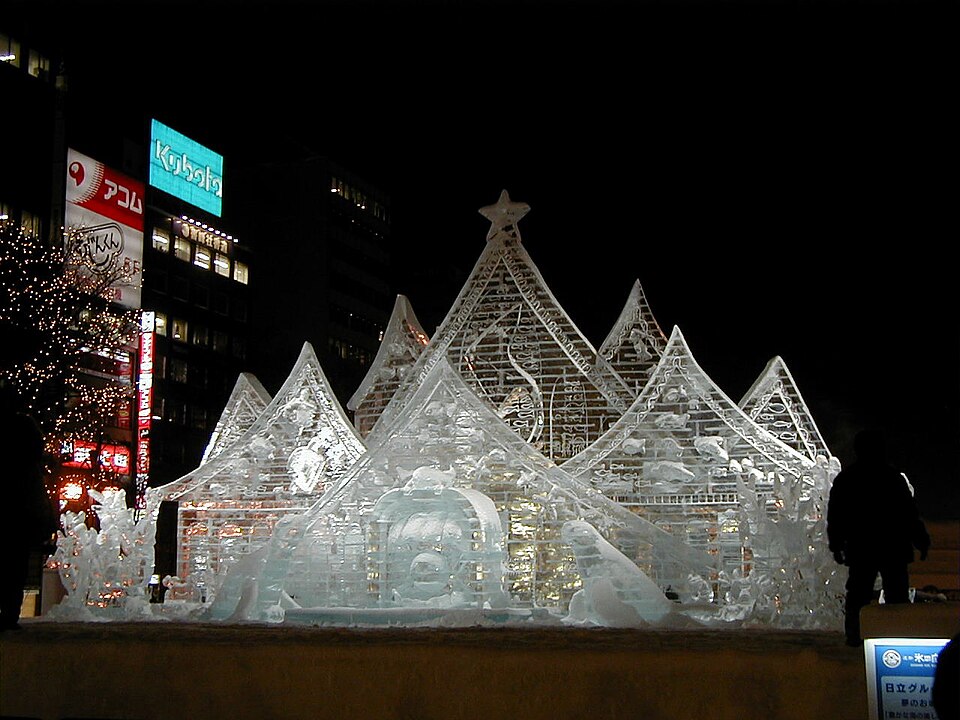
Large snow sculptures fill Odori Park, while Susukino features ice carvings. Tsudome is a separate site for snow activities rather than another stop on the same city-centre walk.
Where to go
Odori Park, Susukino and Tsudome · 大通公園・すすきの・つどーむ
Getting there
Take the subway to Odori Station for the central displays. Check the festival transport notice separately for Tsudome.
Planning your visit
Choose sculpture viewing or snow play first; allowing a separate trip to Tsudome avoids rushing between distant sites.
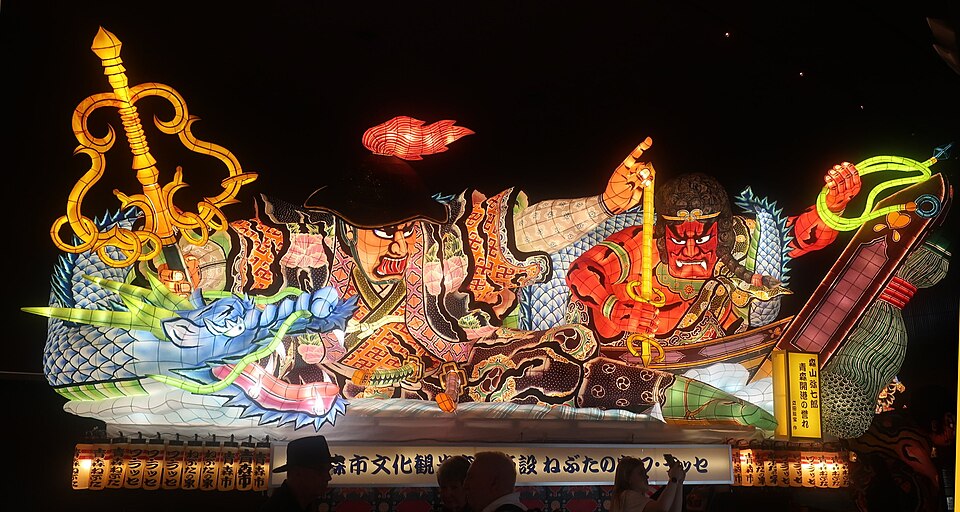
Illuminated floats depicting warriors and mythical figures move through the streets with drums and haneto dancers. The waterfront programme is separate from the street parade.
Where to go
Central Aomori parade route and waterfront · 青森市内運行コース・青い海公園周辺
Getting there
Travel via Shin-Aomori, then take a local JR train to Aomori Station. The city parade area is accessible on foot.
Planning your visit
Pick a night parade for the illuminated figures. If joining the dance, read the official haneto costume rules rather than stepping into a passing group.
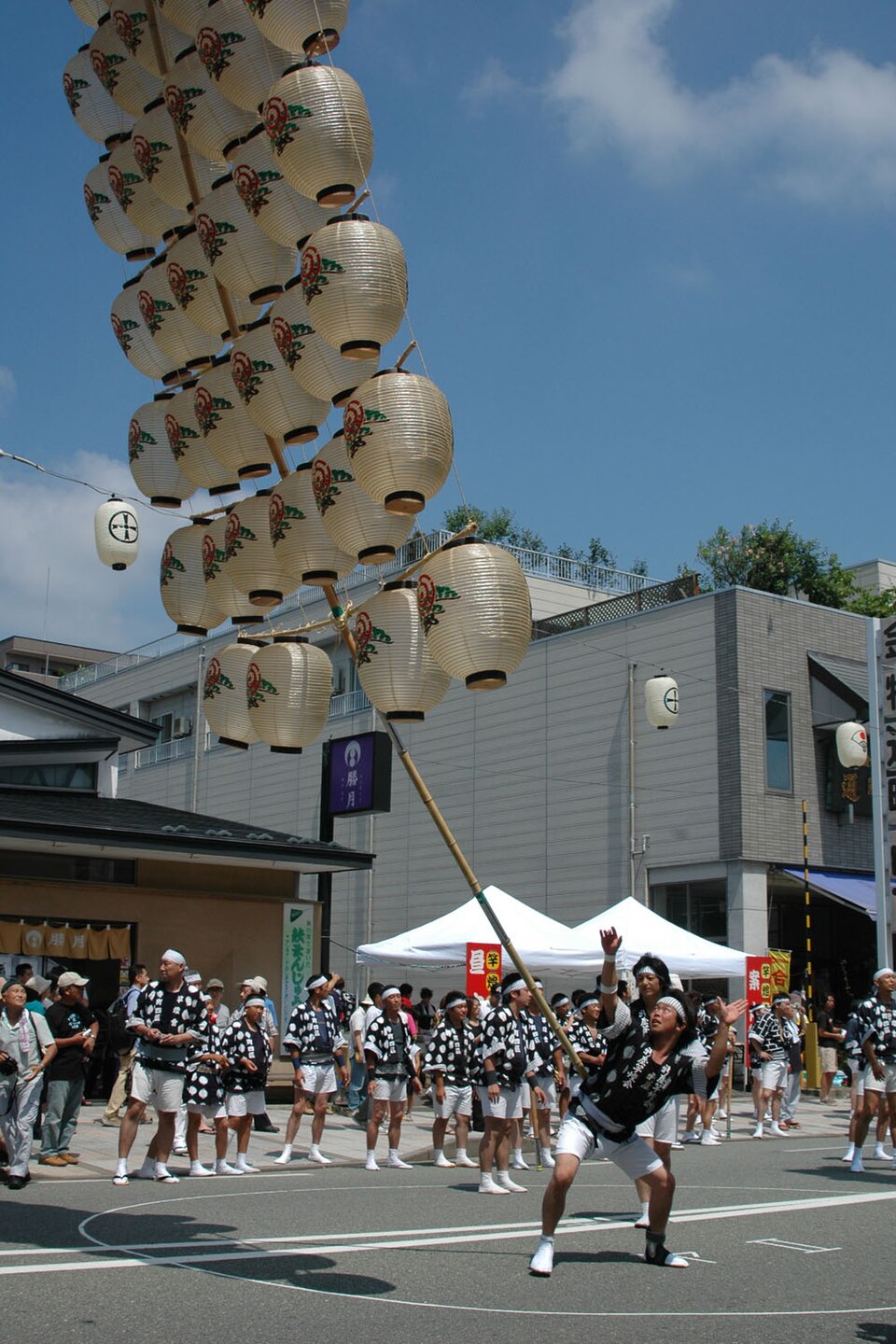
Performers balance tall poles laden with lanterns on their foreheads, shoulders and hips. Daytime skill events reveal the technique; evening performances show the lanterns against the dark.
Where to go
Kanto Odori · 竿燈大通り
Getting there
Take the Akita Shinkansen to Akita Station, then walk towards Kanto Odori. Use the entrance printed on your ticket if you have reserved seating.
Planning your visit
A daytime performance suits travellers interested in how the poles are controlled; an evening visit emphasises the lantern display.
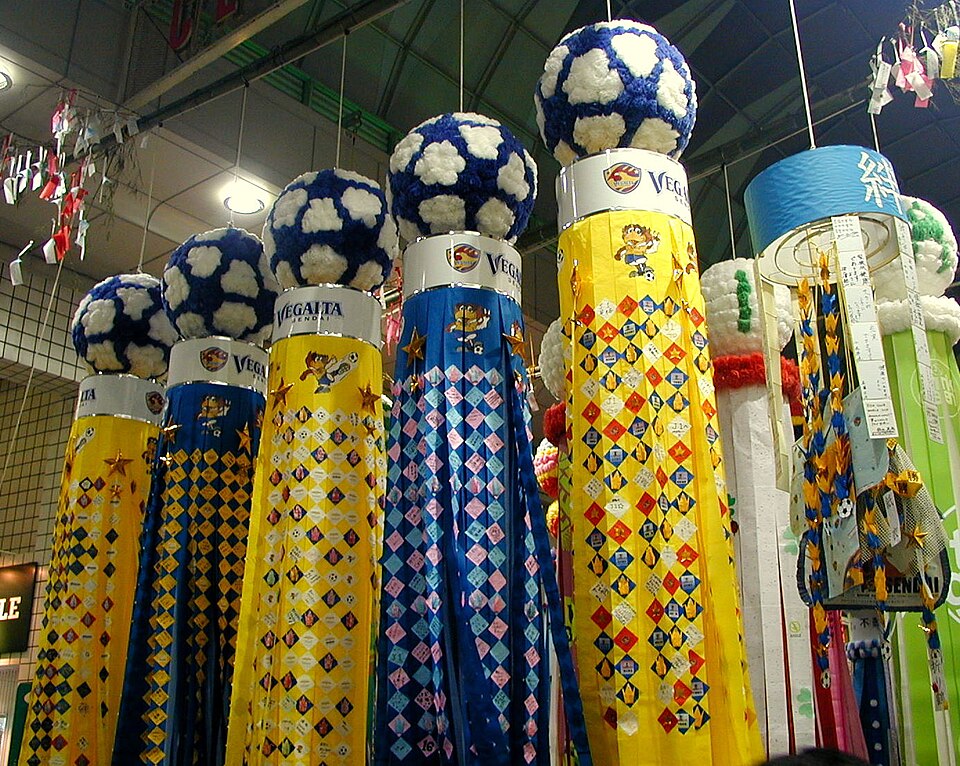
Colourful paper streamers hang over the shopping streets. This is a walking-and-browsing festival, not a parade that you need to wait for at a single roadside spot.
Where to go
Chuo-dori and Ichibancho shopping arcades · 中央通り・一番町商店街
Getting there
From Sendai Station’s west side, walk into the Chuo-dori arcade and continue towards Ichibancho.
Planning your visit
Compare the smaller paper ornaments as well as the large streamers. Walking through the arcades in one direction reduces backtracking.
Usually throughout July; float processions on 17 and 24 July
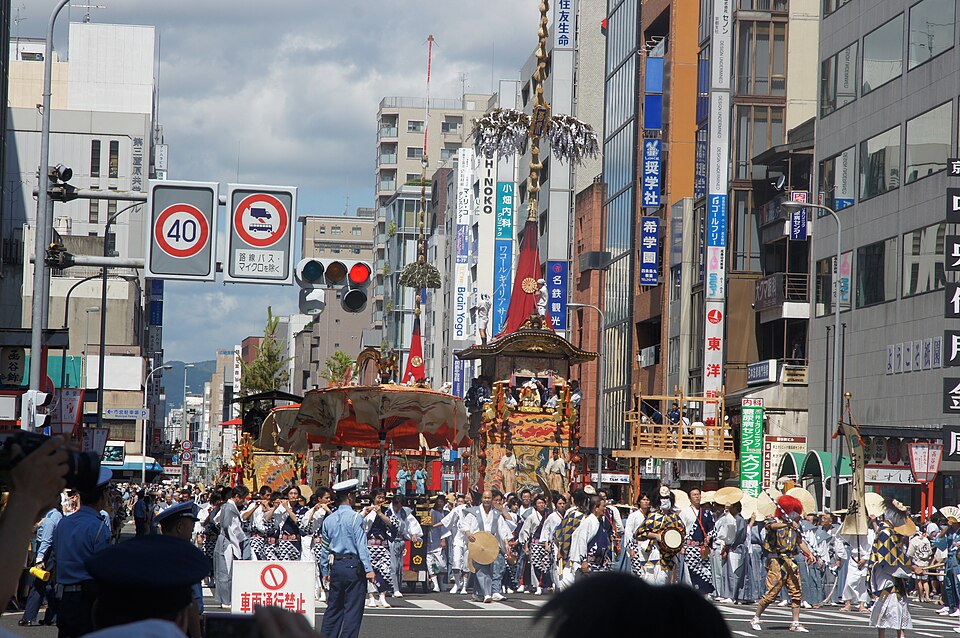
Kyoto’s decorated yamahoko floats can be viewed in their neighbourhoods before the daytime processions. Yoiyama evenings and parade days offer different ways to see the craftwork.
Where to go
Shijo–Karasuma area and procession routes · 四条烏丸周辺・山鉾巡行ルート
Getting there
Use Shijo Station on the Karasuma subway line or Karasuma Station on the Hankyu line for the float neighbourhoods. Yasaka Shrine is a separate stop.
Planning your visit
Choose Yoiyama for close-up decorations, or a procession for the moving floats. Check the year’s pedestrian routes and seating arrangements before settling on a viewing spot.
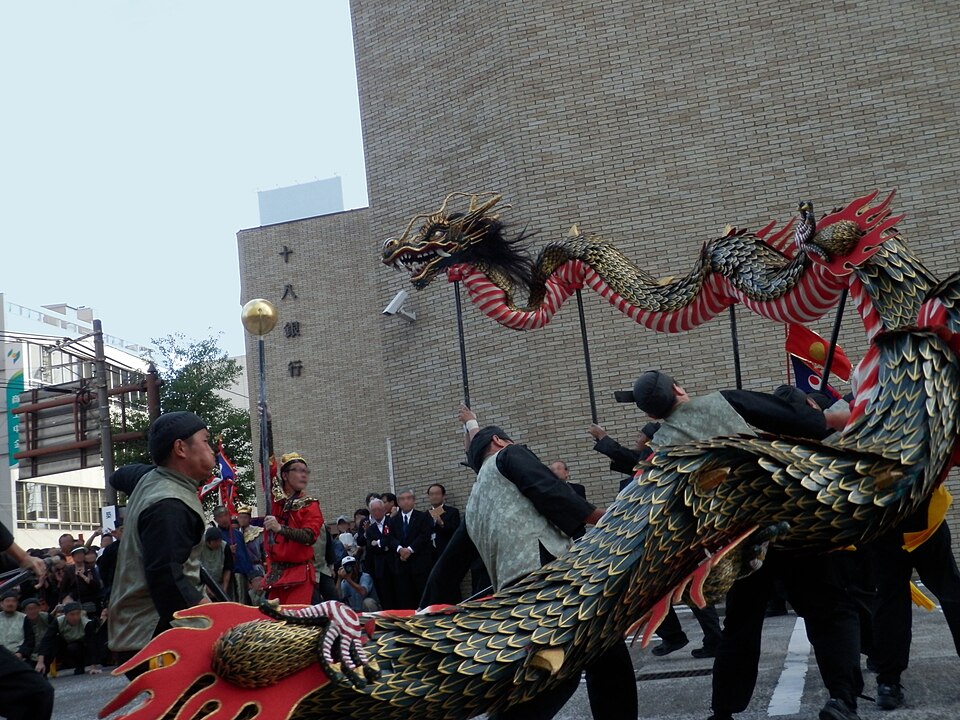
Carved yatai floats and a mechanical-puppet performance are the focus of Takayama’s autumn festival. Its shrine and float district differ from those of the spring festival.
Where to go
Sakurayama Hachimangu Shrine and Shimomachi · 櫻山八幡宮・下町一帯
Getting there
Take the JR Hida limited express from Nagoya to Takayama, then walk through the old town towards Sakurayama Hachimangu Shrine.
Planning your visit
Plan around the puppet-performance timetable, with time for float details between shows. Rain may change outdoor displays and evening events.
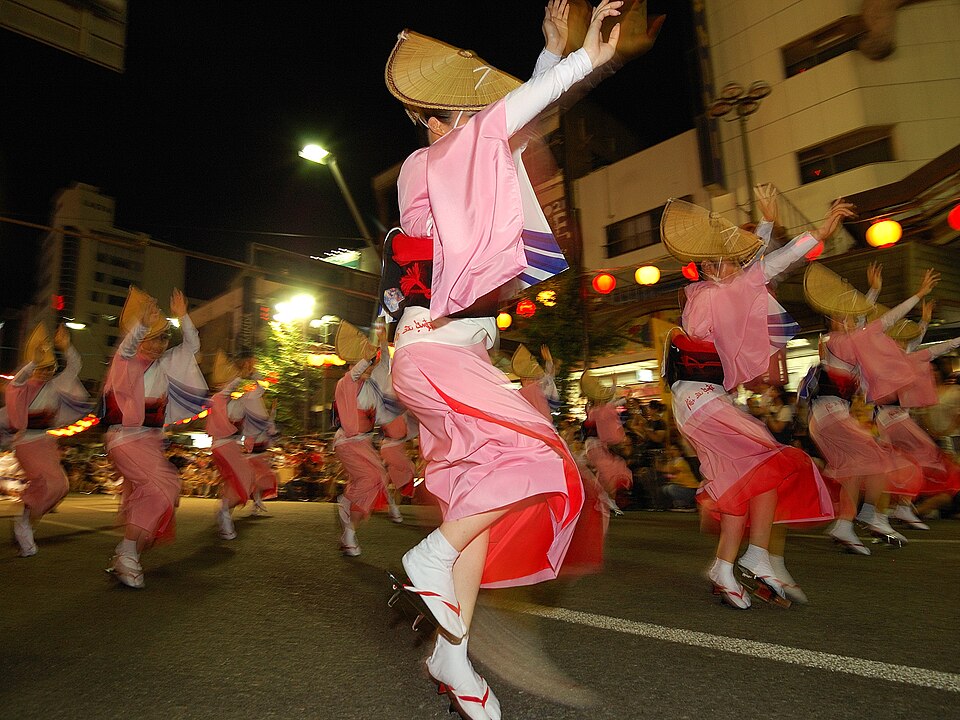
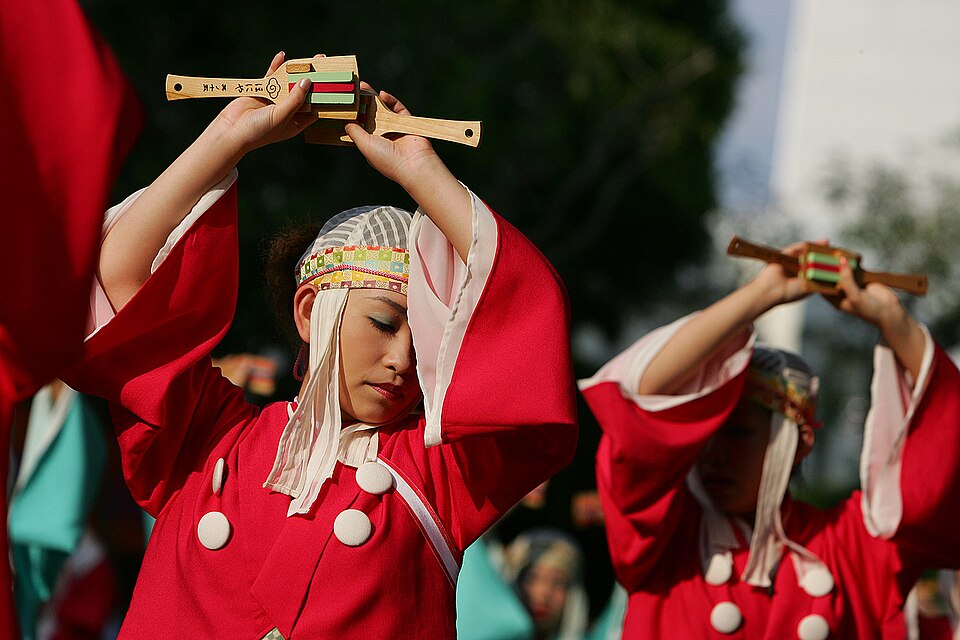
Dance groups called ren move to drums, flutes and shamisen. Reserved performance areas and street dancing offer different viewing experiences.
Where to go
Central Tokushima performance areas · 徳島市内演舞場・藍場浜演舞場周辺
Getting there
Take the JR Kotoku Line from Takamatsu to Tokushima Station. Central performance areas are accessible on foot; Asty Tokushima is a separate venue.
Planning your visit
A scheduled performance helps first-time visitors follow the dance before exploring street events. Join only an officially arranged participation programme.
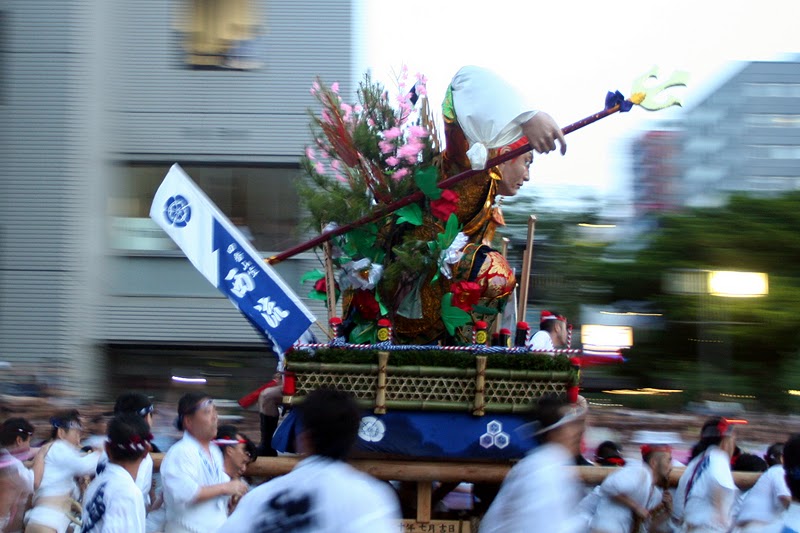
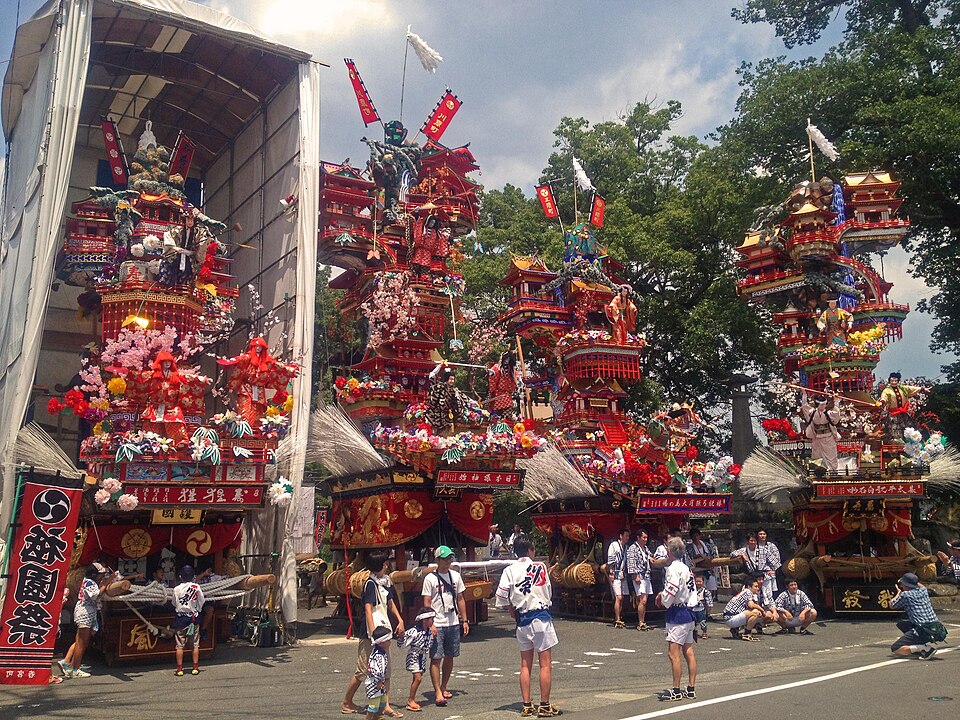
Decorative floats remain on display while teams carry racing floats through Hakata later in the programme. Daytime displays and the early-morning Oiyama race require different plans.
Where to go
Kushida Shrine and central Hakata · 櫛田神社・博多市街
Getting there
Use Kushida-jinja-mae Station on the Nanakuma Line or Gion Station on the Airport Line to reach Kushida Shrine.
Planning your visit
For the race’s opening, a walkable base is more practical than relying on the first train. For a relaxed daytime visit, concentrate on the decorative floats.
22 October 2026; procession may be postponed in rain
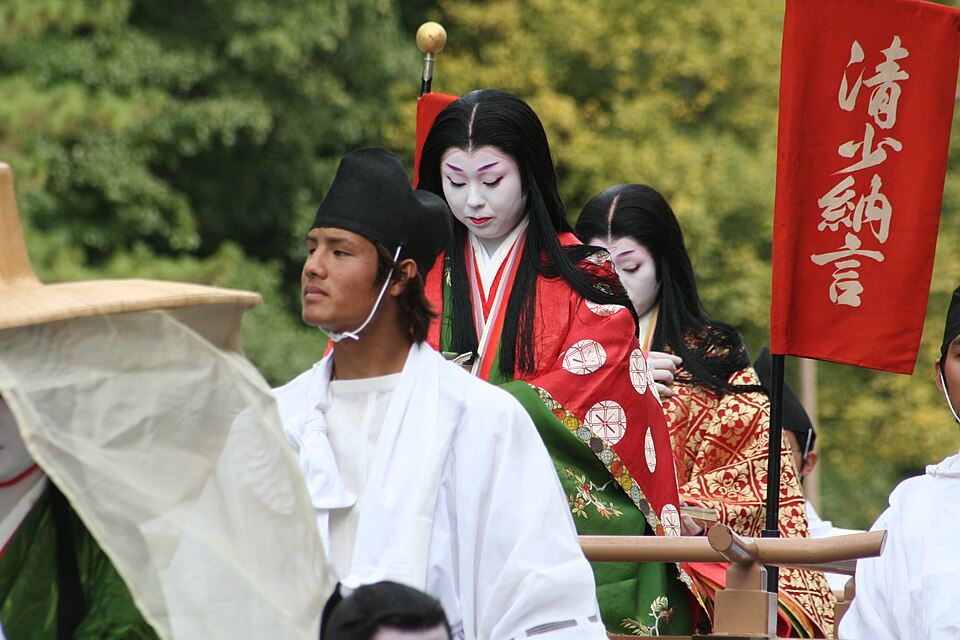
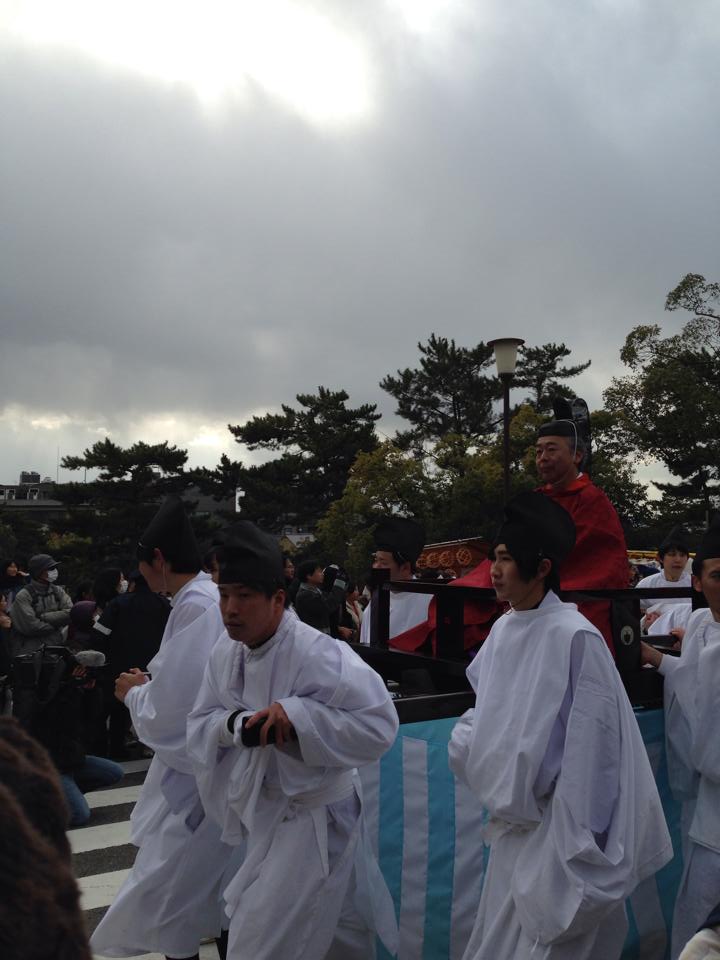
Costumed groups represent different periods of Kyoto’s history, moving from the Imperial Palace to Heian Jingu. The procession works backwards through historical eras.
Where to go
Kyoto Imperial Palace to Heian Jingu Shrine · 京都御所〜平安神宮
Getting there
Use Marutamachi Station for the palace end, or Higashiyama Station for the approach to Heian Jingu.
Planning your visit
Choose one viewing section rather than following the whole procession. If rain is forecast, read the official postponement notice before travelling.
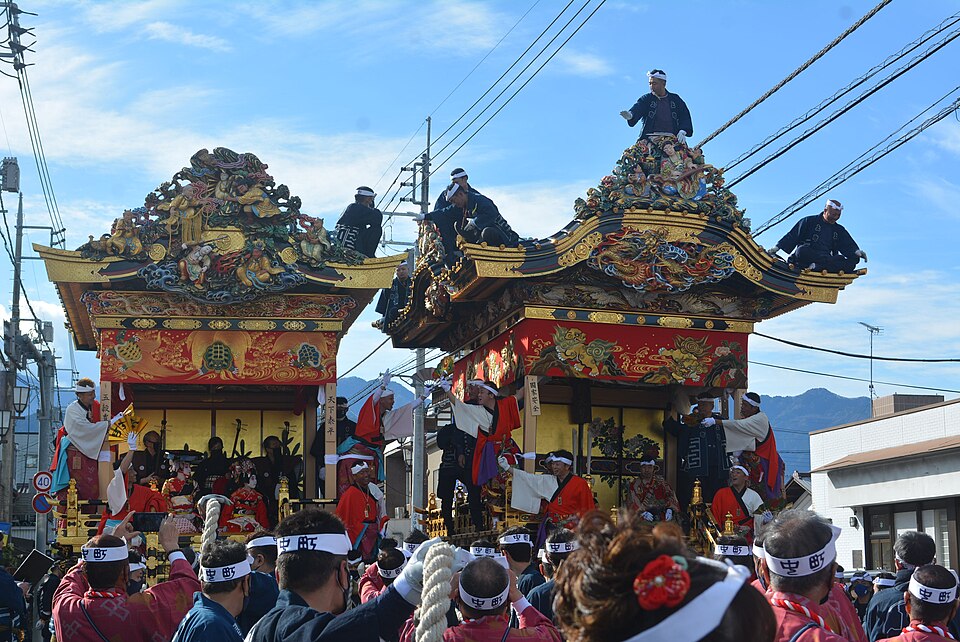
Decorated floats and kasaboko move through Chichibu. The main programme on 3 December combines float activity with fireworks, so viewing location and the journey home matter.
Where to go
Chichibu Shrine and central float routes · 秩父神社・市内屋台曳行コース
Getting there
From Ikebukuro, take a Seibu limited express to Seibu-Chichibu Station. Chichibu Station on the Chichibu Railway is a different station closer to the shrine.
Planning your visit
Daytime viewing makes carving details easier to see; the main evening suits lanterns and fireworks. Decide which station and return service you will use before the night programme.
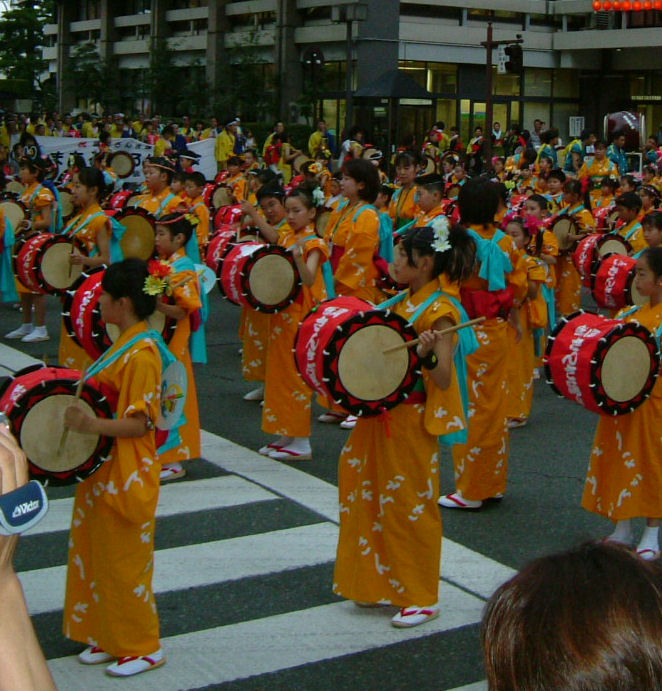
Dancers carry drums through central Morioka, playing while they move. Watching a full group pass makes the relationship between the rhythm and footwork easier to follow.
Where to go
Chuo-dori, near the Iwate prefectural offices · 中央通り・岩手県庁前
Getting there
Take the Tohoku Shinkansen to Morioka Station, then walk towards Chuo-dori. Use the official map for access during road closures.
Planning your visit
Watch a group through to the end before comparing the next. For dancing yourself, look up the organised participation session.
23–25 May 2026; next edition subject to announcement
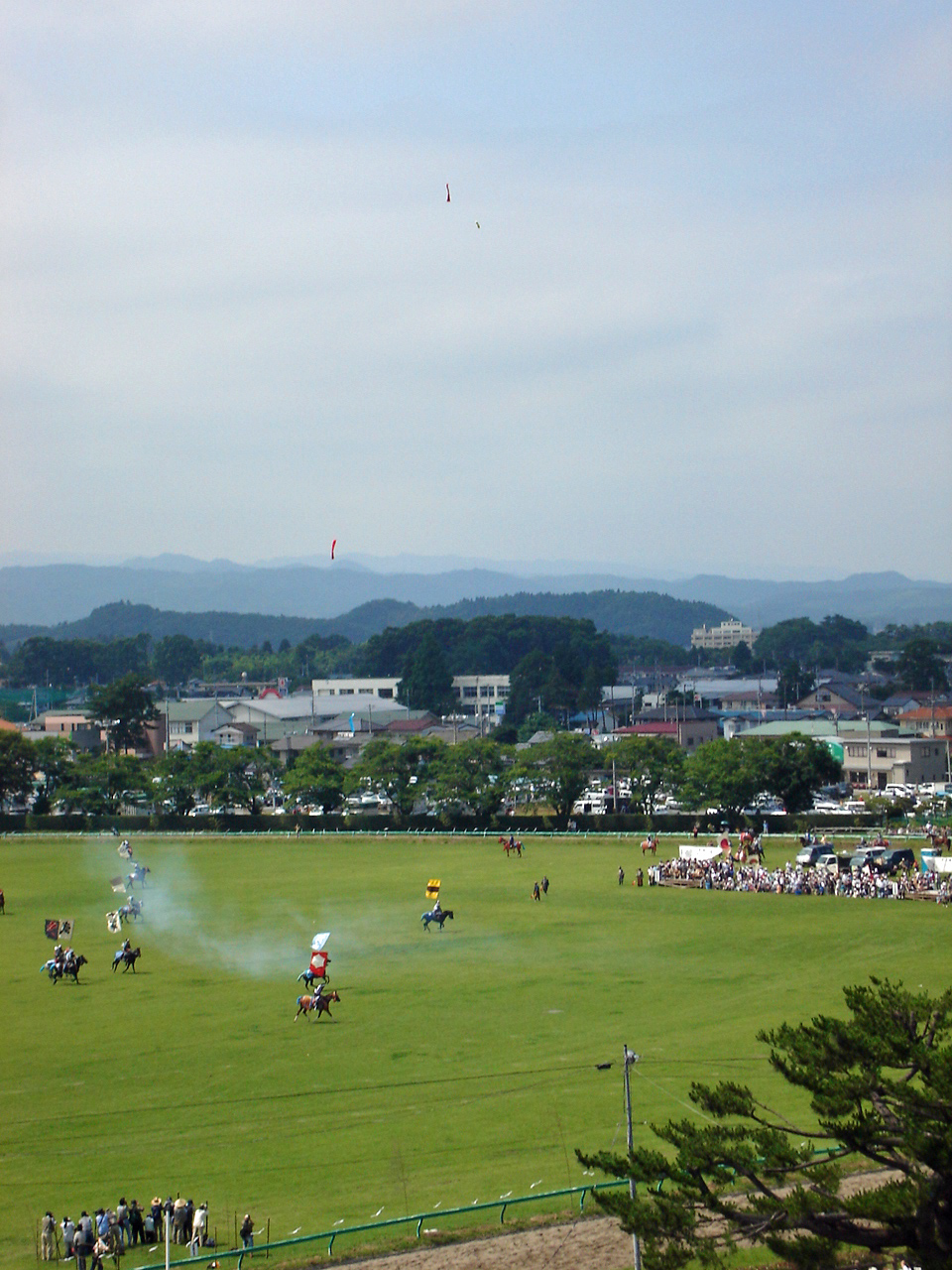
Armoured riders take part in processions, races and flag-catching events. Activities are spread across Soma and Minamisoma rather than one street-parade venue.
Where to go
Hibarigahara festival ground and associated venues · 雲雀ヶ原祭場地
Getting there
Take a Joban Line limited express to Haranomachi Station, then consult the edition’s temporary-bus and venue information.
Planning your visit
Choose the day with the riding event you want to see. Keep to designated spectator areas and leave horse routes clear.
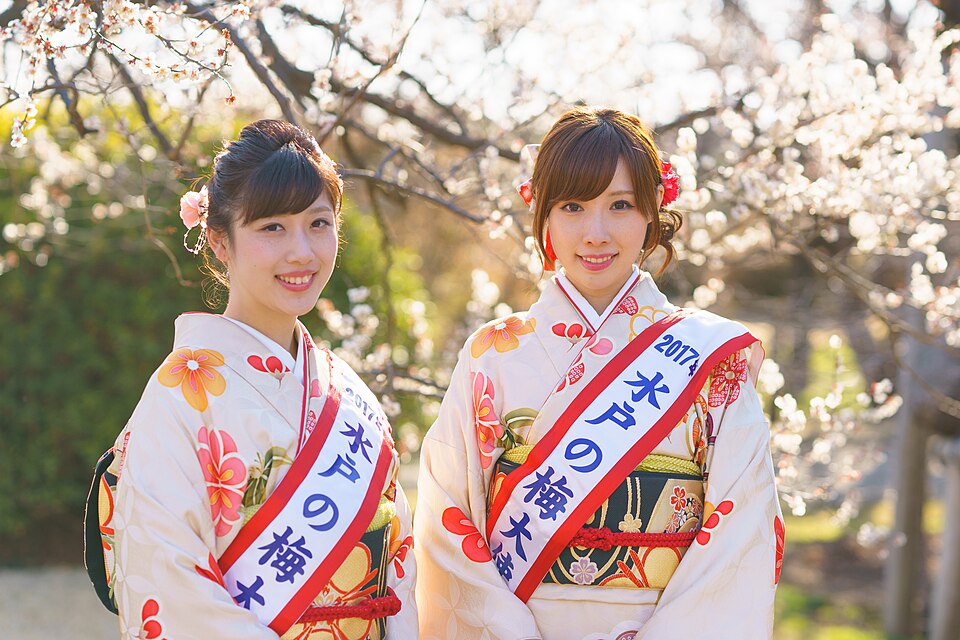
Plum blossom at Kairakuen and the historic setting of Kodokan make this an early-spring outing. Different varieties bloom at different times, so festival dates are not a guarantee of peak flowers.
Where to go
Kairakuen and Kodokan · 偕楽園・弘道館
Getting there
Take a Joban Line limited express to Mito Station, then a bus towards Kairakuen. Seasonal stops at Kairakuen Station depend on the railway notice.
Planning your visit
If flowers are your priority, use the official bloom reports to choose a day. Allow a separate transfer for Kodokan rather than treating both sites as one garden.
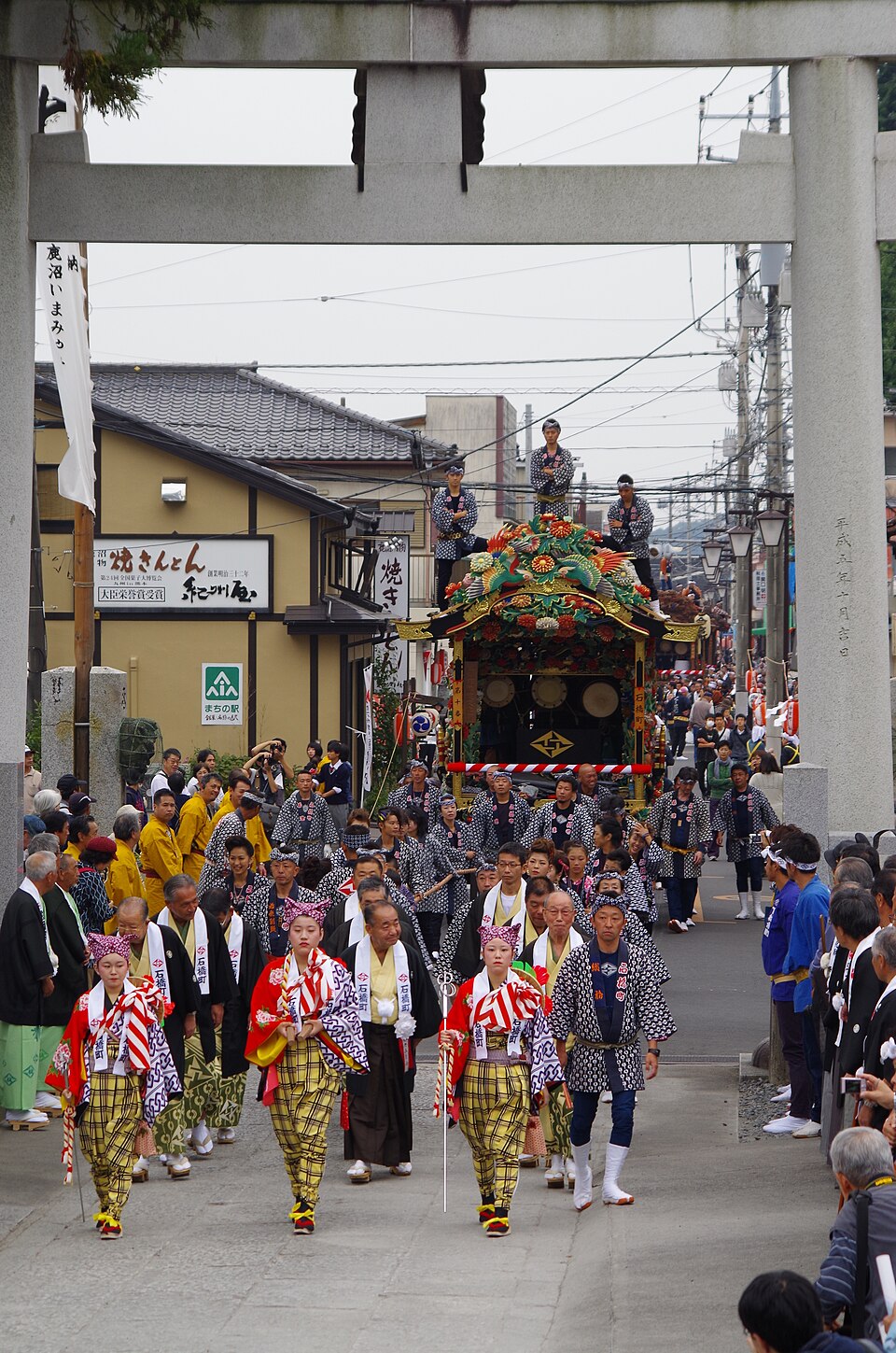
Elaborately carved wooden floats parade through Kanuma accompanied by festival music. Looking closely at the figures and animals reveals details missed in a wide view.
Where to go
Imamiya Shrine and central Kanuma · 今宮神社・鹿沼市街
Getting there
Use Tobu trains from Asakusa towards Shin-Kanuma. JR Kanuma Station is elsewhere; consult the festival’s access and shuttle information for your arrival station.
Planning your visit
Select the station that fits your journey, then make time for the carving as well as the parade.
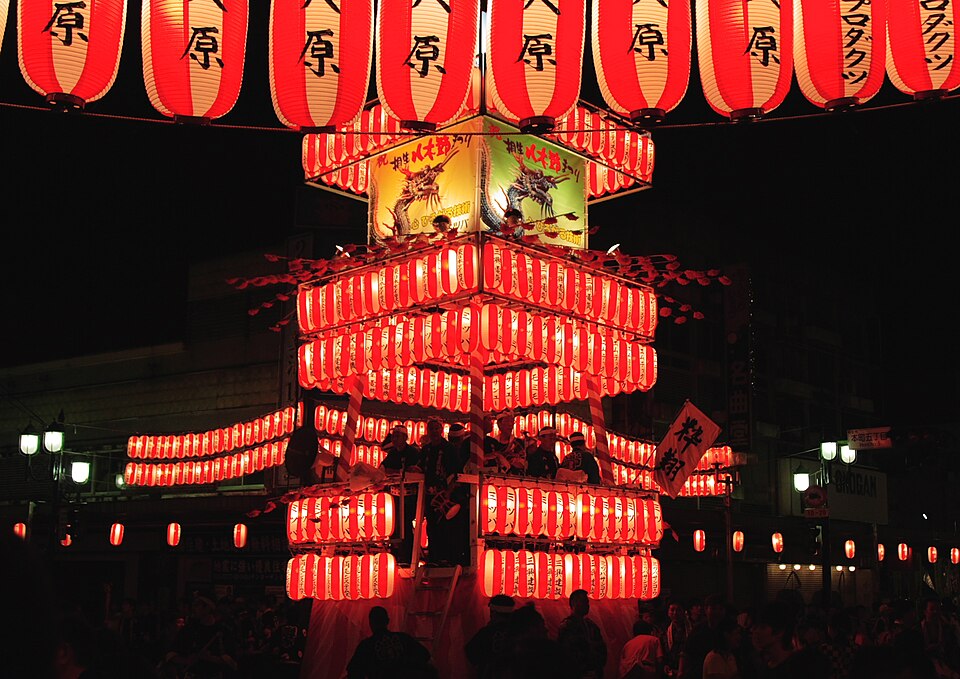
Street dancing to Yagibushi music sits alongside Gion rituals and other local events. Dance areas and portable-shrine events do not necessarily run at the same time.
Where to go
Honcho-dori and central Kiryu · 本町通り・桐生市街
Getting there
Travel by JR, or a Tobu–JR connection, to Kiryu Station and walk towards Honcho-dori.
Planning your visit
Compare the dance and shrine-event timetables. If textile events interest you, check that they fall on the same day as your visit.
Autumn edition: 9–11 October 2026; summer edition held separately in July
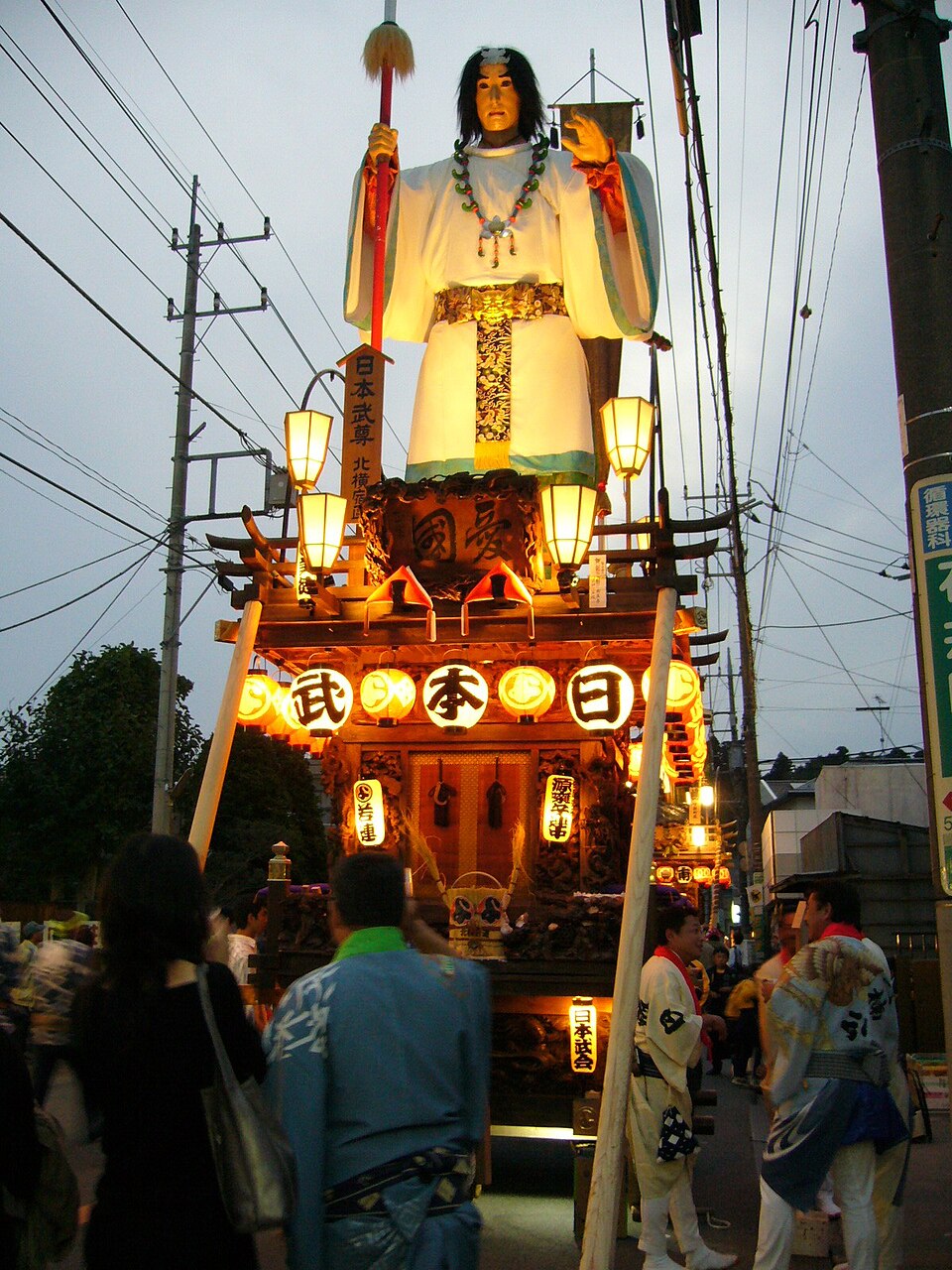
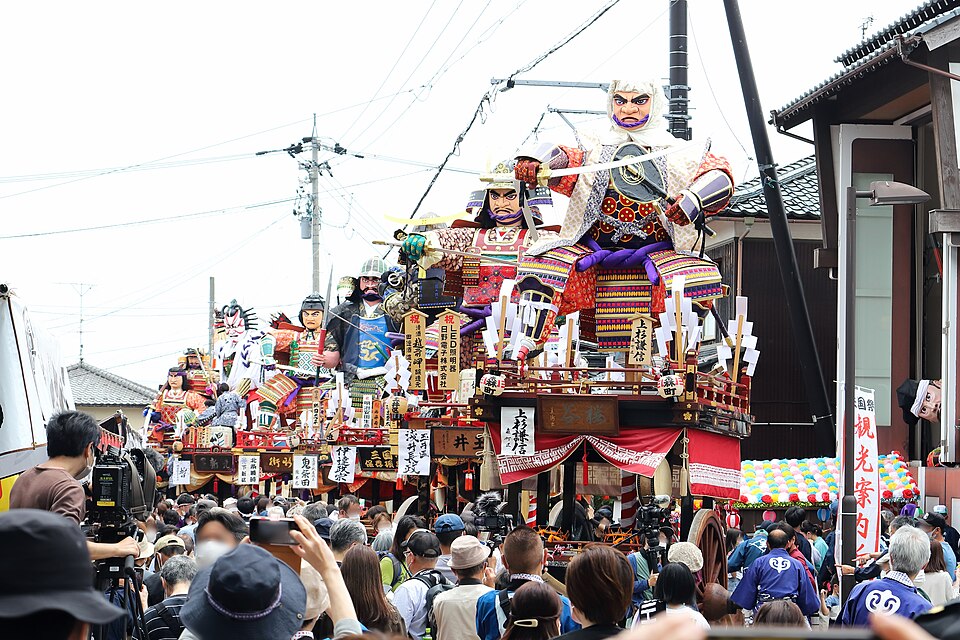
Floats topped with large figures move through narrow old shopping streets to Sawara-bayashi music. Summer and autumn use different neighbourhoods around the river.
Where to go
Sawara’s old streets · 佐原の町並み
Getting there
Travel by JR via Chiba and Narita to Sawara Station. The autumn area can be reached on foot from the station.
Planning your visit
Autumn centres on the Suwa Shrine side west of the Onogawa; summer centres on Yasaka Shrine to the east. Wait at a clear viewing point rather than trying to squeeze past turning floats.
Usually Friday–Sunday around the third Saturday in May
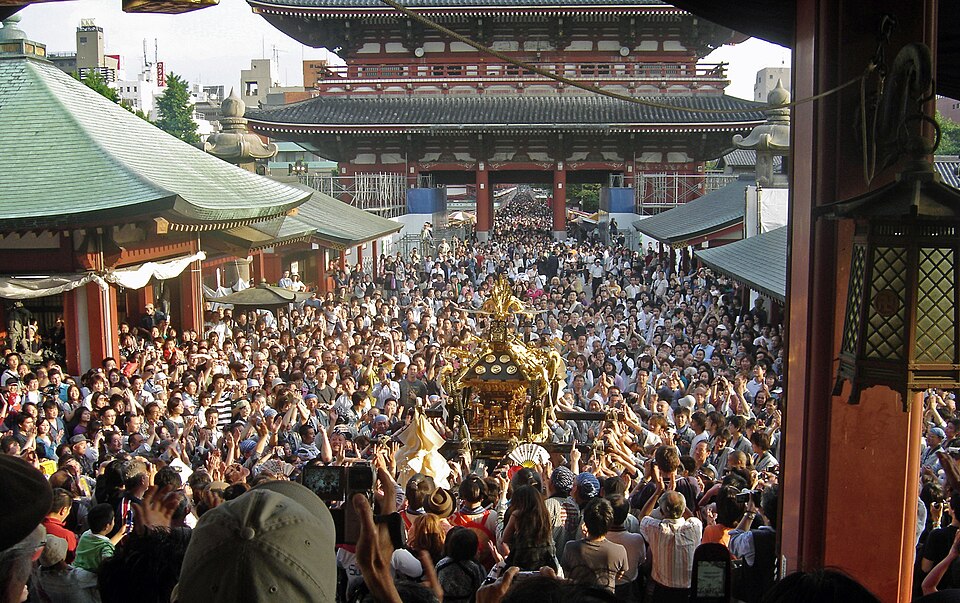
Neighbourhood portable shrines and the shrine’s own mikoshi move around Asakusa. Festival viewing uses different street arrangements from an ordinary temple visit.
Where to go
Asakusa Shrine and surrounding streets · 浅草神社・浅草周辺
Getting there
Use Asakusa Station on the Ginza or Toei Asakusa line. The Tsukuba Express station has a different location.
Planning your visit
Keep back from tightly packed mikoshi groups. For traditional dance, choose the dedicated performance time rather than assuming it follows each procession.
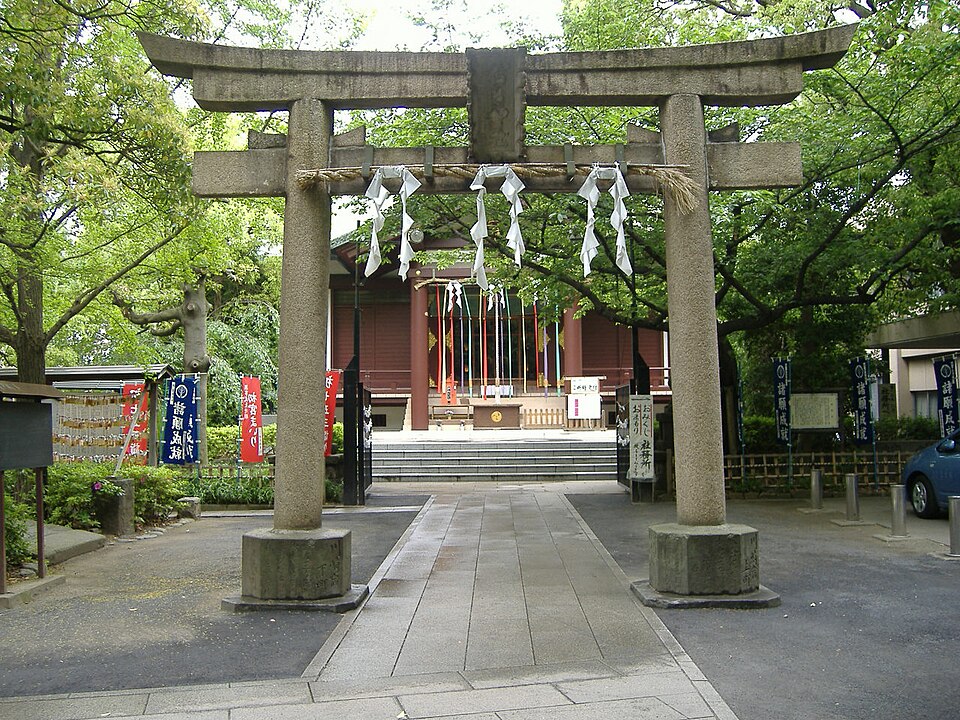
Inage Shrine’s portable shrine moves through Kawasaki, with drumming and kagura in the precincts. Shrine performances and street processions are separate parts of the programme.
Where to go
Inage Shrine and nearby neighbourhoods · 稲毛神社・周辺町内
Getting there
Use JR Kawasaki or Keikyu Kawasaki Station, then walk towards Inage Shrine.
Planning your visit
Older summer schedules no longer describe the 2026 festival. Pick a shrine performance or street procession using the current official timetable.
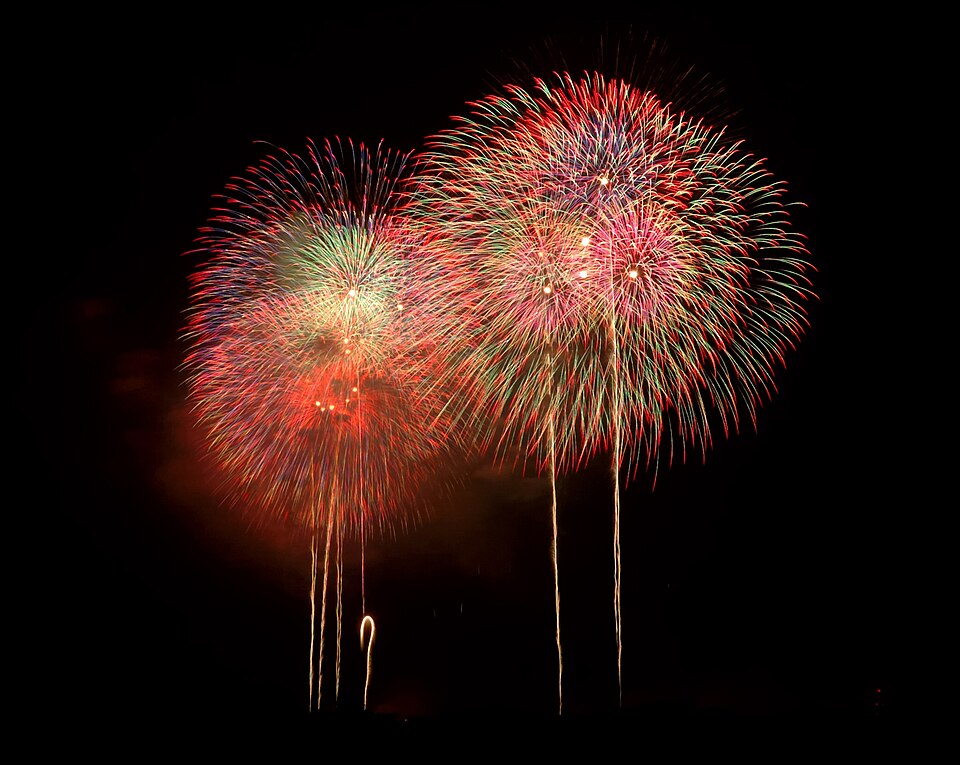
Large fireworks programmes use the broad Shinano River setting. The Phoenix display is linked to recovery, giving the spectacle a meaning beyond the colours overhead.
Where to go
Shinano River near Ote Bridge · 信濃川・大手大橋周辺
Getting there
Take the Joetsu Shinkansen to Nagaoka Station, then walk towards the river. Your ticket’s riverbank and seating zone determine the final approach.
Planning your visit
Choose your viewing bank before travel. Do not assume an unticketed area will be available, or plan to cross repeatedly between the banks.
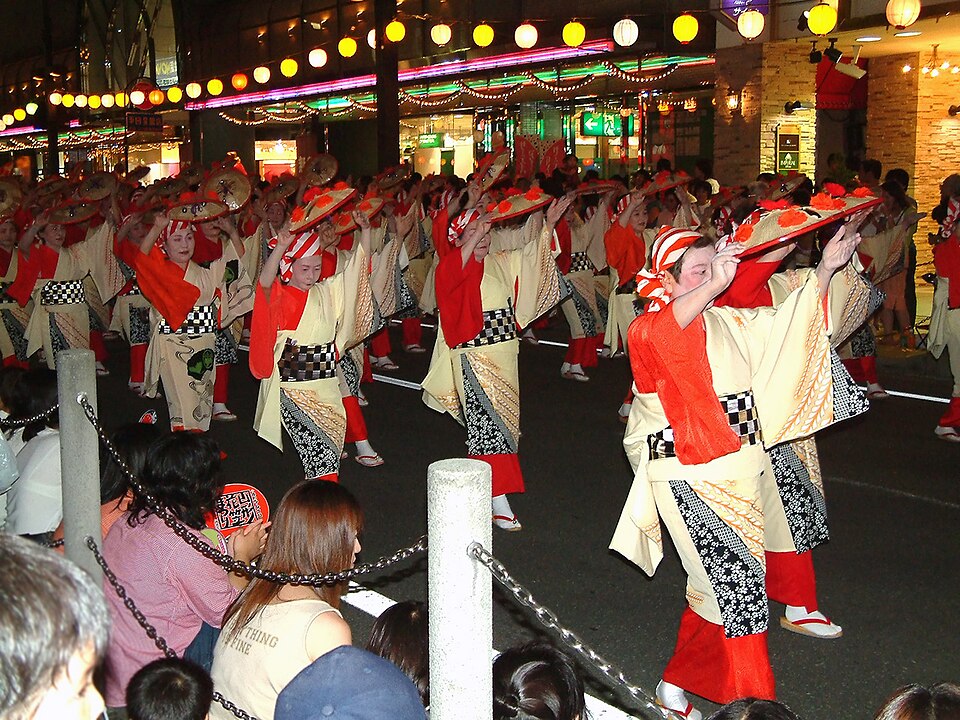
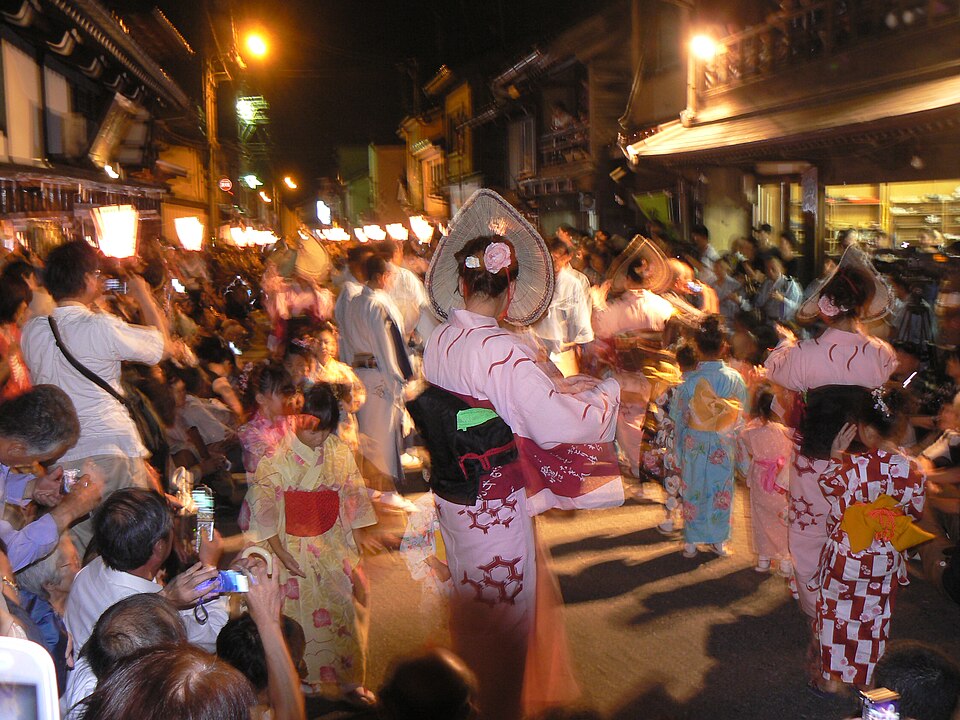
Straw-hatted dancers move through the lanes to shamisen and kokyu music. The appeal is the sound and movement of neighbourhood performances rather than one large continuous stage show.
Where to go
Old Yatsuo neighbourhoods · 八尾旧町一帯
Getting there
From Toyama Station, take the JR Takayama Line to Etchu-Yatsuo; consult temporary transport notices for the festival period.
Planning your visit
Travel light and stay for a whole neighbourhood performance. Different districts have different timings, so dancing is not continuous everywhere.
Usually three days around the first Saturday in June
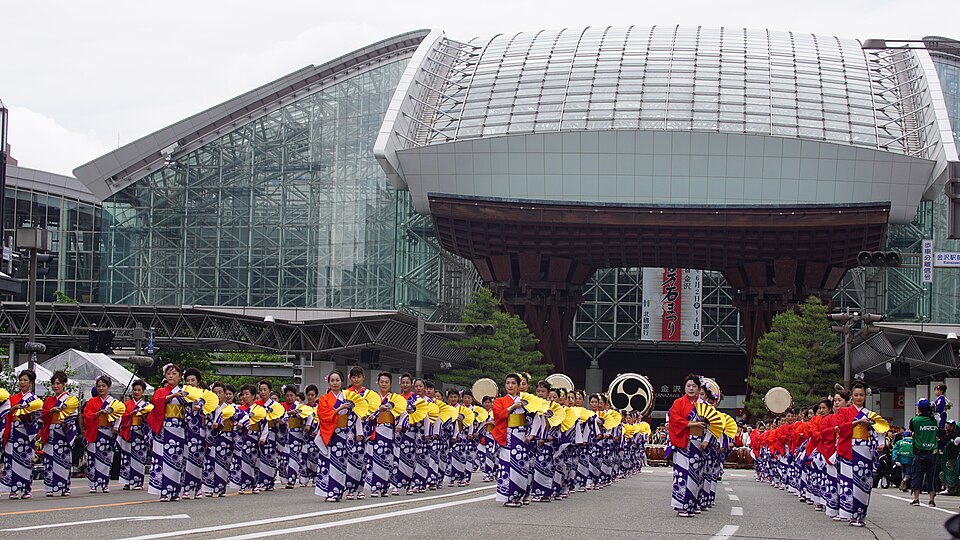
A costumed historical procession runs from the station towards the castle, alongside tea and traditional-performance events.
Where to go
Kanazawa Station to Kanazawa Castle · 金沢駅〜金沢城
Getting there
Take the Hokuriku Shinkansen to Kanazawa Station. Decide whether to watch the station departure or the castle approach before checking diverted bus routes.
Planning your visit
The station end saves an extra transfer on arrival; the castle end pairs with the historic grounds. One viewing section is simpler than following the entire procession.
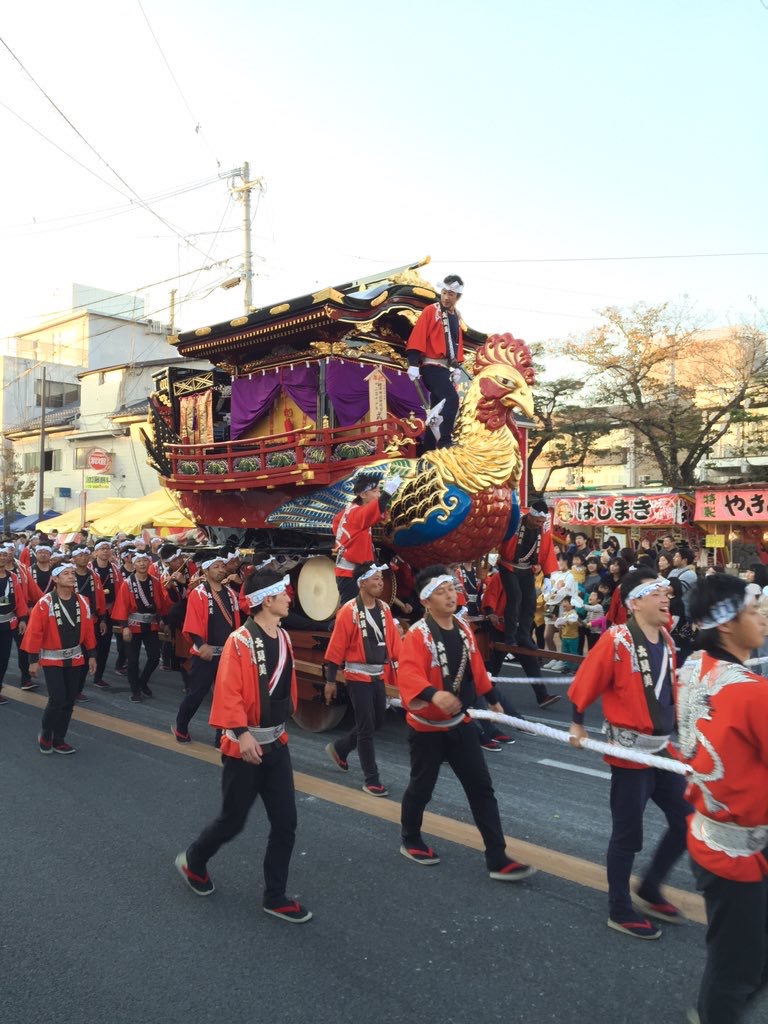
Large figure-topped floats travel through the old port town. Their gathering near the shrine and their movement through narrow streets offer different views.
Where to go
Mikuni Shrine and the old town · 三國神社・三国旧市街
Getting there
From Fukui, use the Echizen Railway Mikuni Awara Line to Mikuni-Jinja or Mikuni Station, depending on your viewing area.
Planning your visit
For the floats, choose the main parade day and gathering time. Allow a separate walk if you also want to reach the waterfront.
3–5 April 2026; next edition subject to announcement
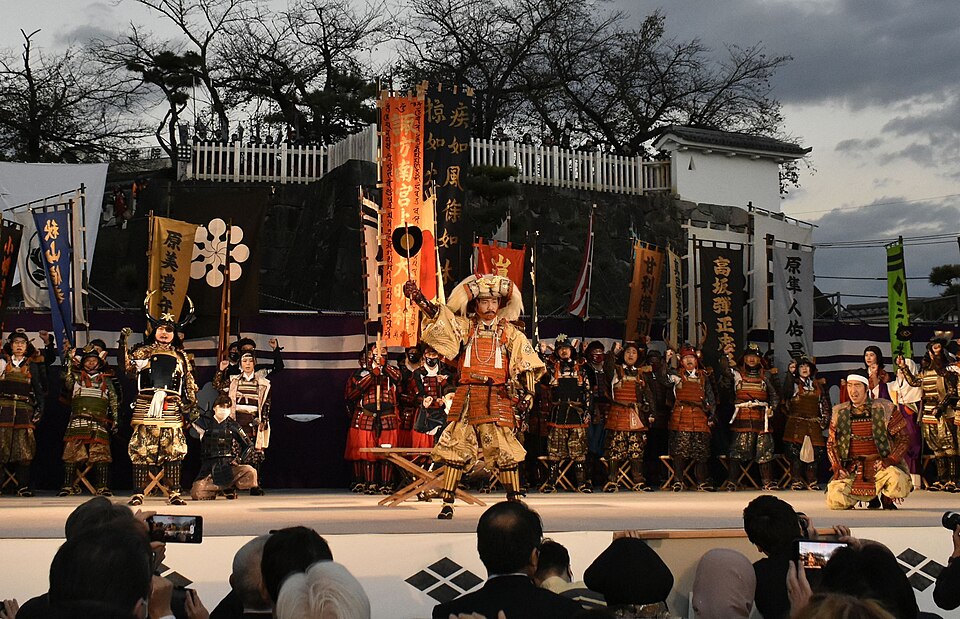
Warrior-costumed groups evoke Takeda Shingen’s era in a historical procession through Kofu. The castle gathering and street departure are different scenes to watch.
Where to go
Maizuru Castle Park and central Kofu · 舞鶴城公園・甲府市街
Getting there
Take a Chuo Line limited express from Shinjuku to Kofu Station; Maizuru Castle Park is south of the station.
Planning your visit
Choose the gathering or moving procession first. Takeda Shrine is a separate visit, not another stop inside the festival park.
Large kites fly during the day, while decorated floats move through the city at night. The kite grounds and evening float streets are not the same venue.
Where to go
Nakatajima kite grounds and central Hamamatsu · 中田島凧揚げ会場・市中心部
Getting there
Take the Tokaido Shinkansen to Hamamatsu Station. Use the edition’s bus or shuttle notice for Nakatajima; evening floats are in the city centre.
Planning your visit
Build the transfer between the kite site and town into your day. Staying around the station alone will not take you to the kite-flying grounds.
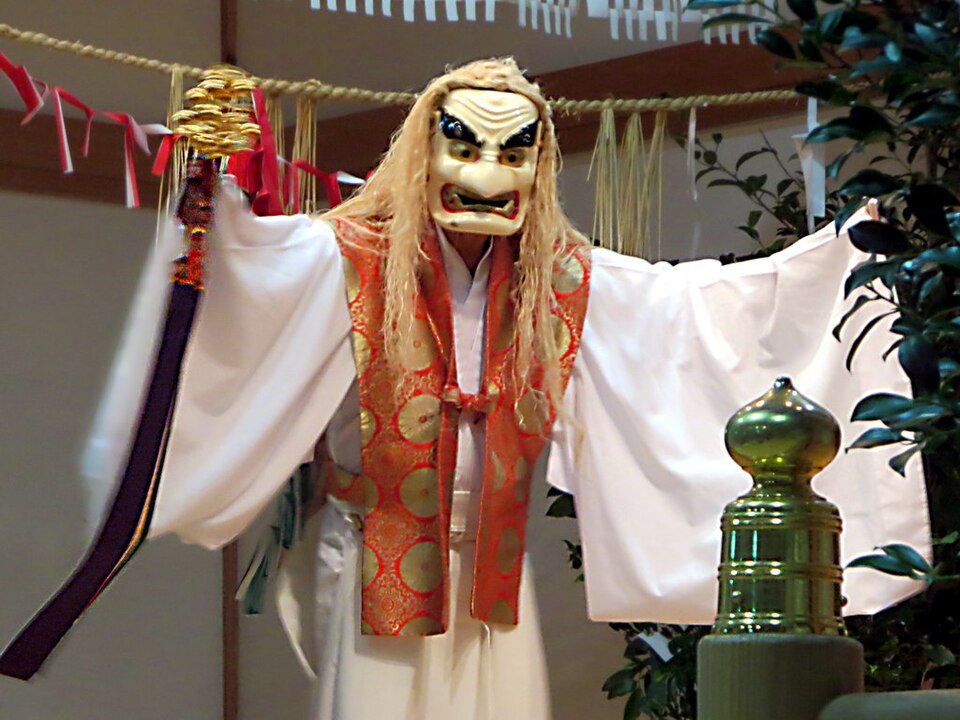
Shrine rituals and traditional offerings mark this early-summer event. Lanterns and performances are centred on the shrine grounds.
Where to go
Atsuta Jingu Shrine · 熱田神宮
Getting there
From Nagoya, use Meitetsu to Jingu-mae Station, or the Meijo subway line to Atsuta Jingu Temma-cho.
Planning your visit
See the shrine buildings in daylight before evening events. If fireworks are your reason for visiting, check the edition’s programme and viewing area separately.
Portable shrines are brought together in a vigorous ritual, alongside neighbourhood floats. This coastal district is separate from central Himeji’s castle area.
Where to go
Matsubara Hachiman Shrine and Otabiyama · 松原八幡神社・御旅山
Getting there
Take Sanyo Railway to Shirahamanomiya Station, then walk towards Matsubara Hachiman Shrine.
Planning your visit
Use designated spectator areas, not the procession space. A castle visit needs a separate train transfer into central Himeji.
Usually 15–18 December; main procession and performances on 17 December
Historical costumes, kagura and other traditional performing arts feature in this Nara ritual. The procession and performances take place in different areas.
Where to go
Kasuga Wakamiya and the Otabisho performance area · 春日大社若宮・御旅所
Getting there
Arrive at Kintetsu Nara or JR Nara Station, then consult the official map for the shrine, procession and Otabisho.
Planning your visit
Choose the procession for costumes or the Otabisho timetable for music and dance. Check the last service if staying for evening performances.
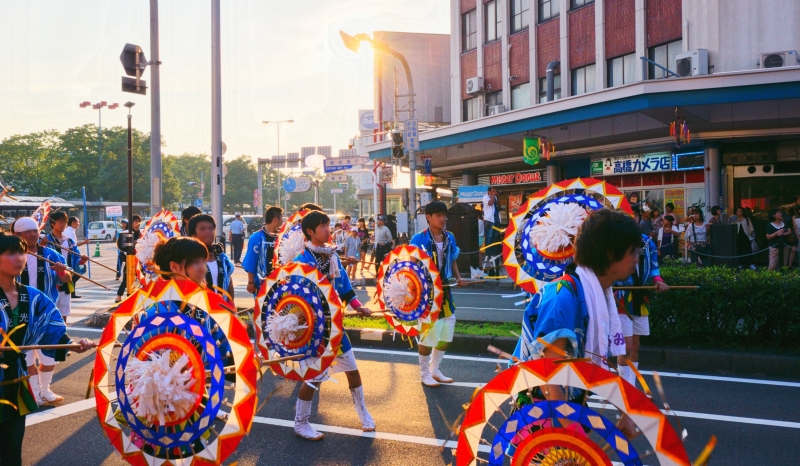
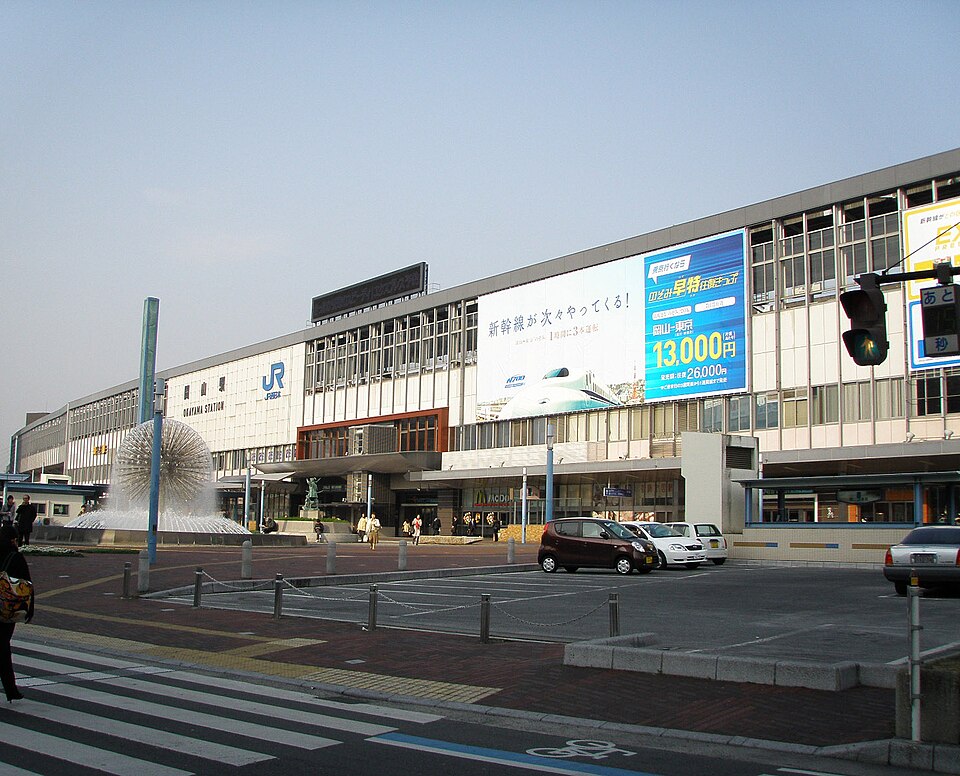
Dance teams wear face paint inspired by ogres associated with local Momotaro stories. Station-area performances and street parades use different locations and times.
Where to go
Okayama Station area and city performance venues · 岡山駅周辺・市内演舞場
Getting there
Take the Sanyo Shinkansen to Okayama Station, then use the official venue map to choose a performance area.
Planning your visit
A performance venue gives a closer look at face paint and choreography than trying to follow a team between several stages.
3–5 May 2026; next edition subject to announcement
Flower-themed parades and stages fill Peace Boulevard. The civic festival and the memorial park offer different experiences, even though their settings overlap.
Where to go
Peace Boulevard and Peace Memorial Park · 平和大通り・平和記念公園
Getting there
Take the Sanyo Shinkansen to Hiroshima Station, then a tram or local bus towards the park; consult event diversions.
Planning your visit
Choose a parade section or stage first so you do not repeatedly walk the length of the boulevard. Set aside separate time for the memorial park.
Usually August; performance and fireworks dates vary
Civic dancing and stage events occupy the city, with waterfront events by the Seto Inland Sea. The dancing streets and fireworks area are separate destinations.
Where to go
Central Park, city streets and port area · 中央公園・市街・港周辺
Getting there
Take the Marine Liner from Okayama to Takamatsu. Kawaramachi on Kotoden is another option for Central Park.
Planning your visit
If combining dancing and fireworks, allow for the transfer to the port and confirm the edition’s actual fireworks programme.
Lantern-lit danjiri floats and portable shrines travel through Saijo. Several shrine festivals make up the broader event, rather than one programme at one site.
Where to go
Isono Shrine and other shrine and riverside venues · 伊曽乃神社ほか市内社寺・河川敷
Getting there
Take a Yosan Line limited express to Iyo-Saijo Station, then use the official float-route map for your chosen shrine or riverside section.
Planning your visit
Plan around one shrine’s procession, particularly for late-night or dawn lantern scenes, instead of assuming all rituals happen together.
Hikiyama floats shaped as sea bream, lions and other figures move through Karatsu. Daylight shows their forms clearly; the first evening emphasises lanterns.
Where to go
Karatsu Shrine and city float routes · 唐津神社・市内曳行コース
Getting there
Use the Fukuoka Airport subway line and JR Chikuhi Line towards Karatsu, checking whether your service requires a change.
Planning your visit
Pick daylight or the first-night procession according to what you want to see. The float exhibition hall’s festival arrangements need a separate check.
Rotating neighbourhood groups present distinct offerings, including dances and boat-shaped floats. The line-up changes, so an old photograph is not a programme for the next edition.
Where to go
Suwa Shrine and city performance venues · 諏訪神社・市内踊場
Getting there
Travel from Hakata with the limited-express and Nishi Kyushu Shinkansen connection, then use a Nagasaki tram for the Suwa Shrine area.
Planning your visit
Check this edition’s participating neighbourhoods and ticket venue. Reserved performances and visiting street performances have different access arrangements.
Usually 15–16 August; major dance and fireworks cancelled in 2026
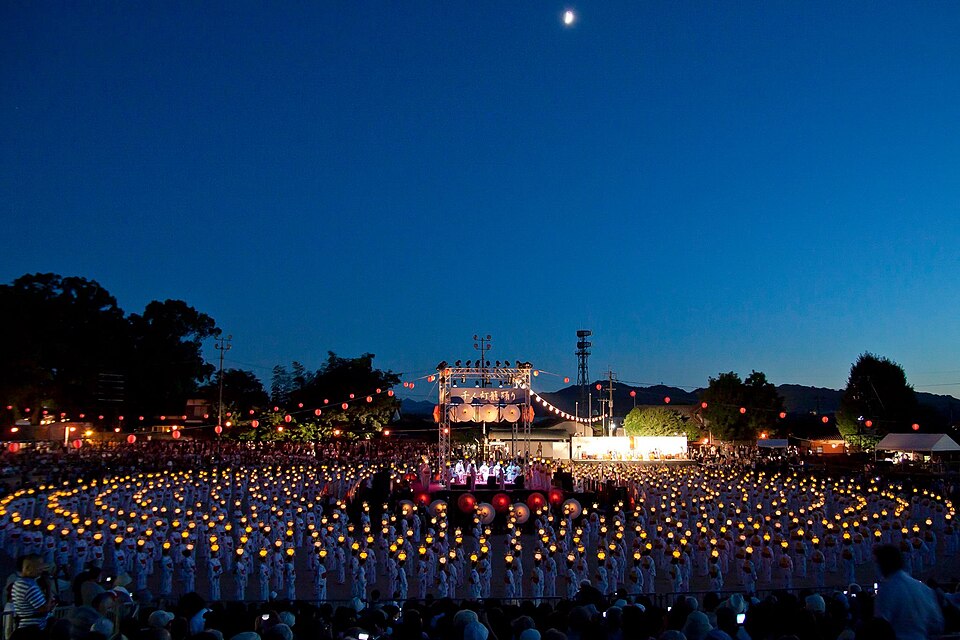
Golden paper lanterns worn by dancers are a defining image of the usual festival. In 2026, the thousand-person dance, fireworks and festival-plaza events were cancelled.
Where to go
Central Yamaga and Omiya Shrine · 山鹿市街・大宮神社
Getting there
Use a bus from Kumamoto towards Yamaga, which has no JR station. Plan both the arrival stop and the last return service.
Planning your visit
Do not treat the normal dance programme as a confirmed future event. Lantern craft offers another way to understand the tradition, subject to the facilities’ opening arrangements.
Usually a July weekend; dates announced by edition
Tall yamaboko floats travel through Hita’s old streets to festival music. Mameda and Kuma have different routes, so arriving in town does not put you beside every float.
Where to go
Mameda, Kuma and Takeda districts · 豆田地区・隈地区・竹田地区
Getting there
Use the Yufu limited express from Hakata to Hita, or an express bus from Hakata Bus Terminal.
Planning your visit
Choose one district’s route first. A gathering outside the station may have a different date from the main district processions.
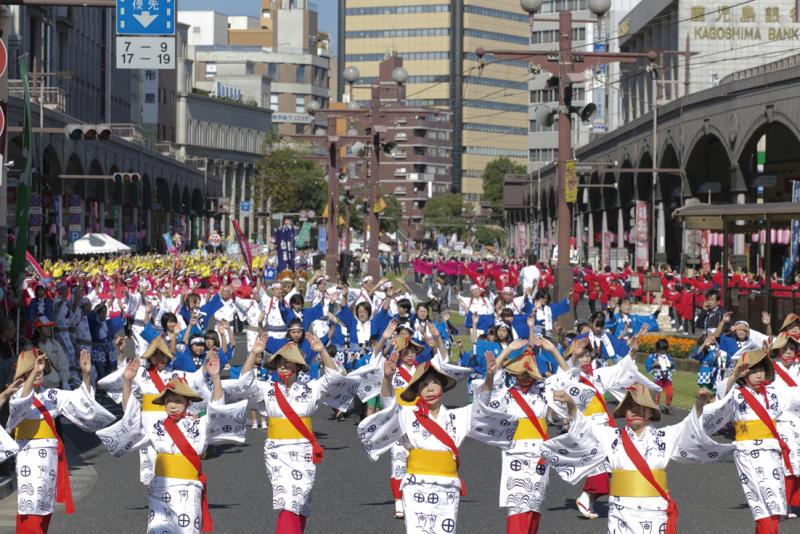
Groups dance through the city to local music including Ohara-bushi. The tram-street setting gives a different view of Kagoshima from a waterfront excursion.
Where to go
Tenmonkan and city tram streets · 天文館ほか市電通り
Getting there
Use a city tram from Kagoshima-Chuo towards Tenmonkan; festival controls may change tram operation.
Planning your visit
One central viewing section makes a short visit manageable. If combining it with Sakurajima, allow separately for port access and ferry services.
Usually October; tug-of-war date announced by edition
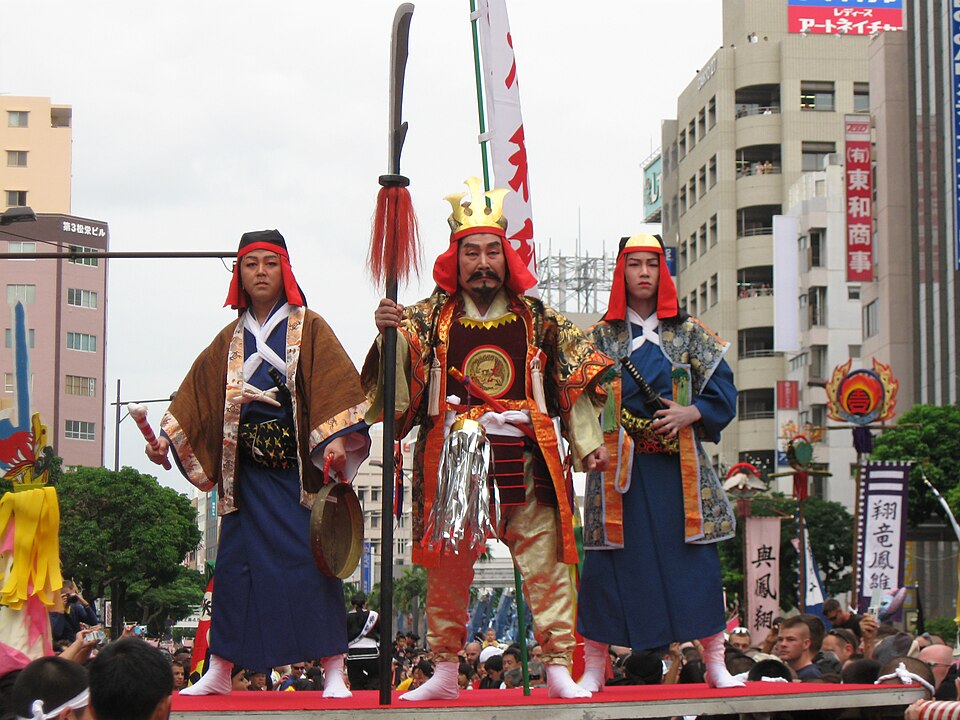
A huge rope is pulled by opposing sides in Naha’s traditional event. The flag procession on Kokusai Street and the tug-of-war near Kumoji are different stops.
Where to go
Route 58 near Kumoji Intersection · 国道58号・久茂地交差点周辺
Getting there
From Naha Airport, take the Yui Rail to Kencho-mae Station and walk towards Kumoji Intersection.
Planning your visit
Allow walking time between the flag procession and the rope event. Follow stewards’ instructions if participating; do not climb onto the large rope.
How can I find Japanese festivals during my trip from Australia?
Choose your travel month, prefecture or city in the festival finder. It covers 48 selected festivals and events across Japan’s 47 prefectures, with venue information, public-transport advice and official links. It is not a list of every Japanese festival.
Are the dates confirmed for my travel year?
Only entries labelled as published dates refer to a stated edition. Usual seasons are planning guides, and a past edition is not a confirmed date for the following year. Check the organiser’s announcement before booking around an event.
Which season in Japan matches my Australian holiday?
Japan’s seasons run opposite to Australia’s: January is winter in Japan, while July is summer. Use the Japanese festival month, not the Australian season, to plan. School-holiday dates differ by Australian state and year, so compare your own dates with the organiser’s programme.
Are Japanese festivals free to attend?
Do not assume every viewing area is free. Street access, reserved parade seats, fireworks areas and performances can have different rules. Read the organiser’s admission information for your chosen venue and edition; this guide does not sell or reserve festival tickets.
Can I reach festival venues by train or bus?
The entries give an arrival station or public-transport approach. Parades, shrine rituals and fireworks may use separate sites, and road closures can divert local services. Check the official venue map and the return timetable, especially for early-morning races and late-night performances.
May we use Google Analytics cookies to understand visits and improve this site? All features work if you decline. Privacy policy