
Japan festivals: find dates, places and a route that fits your trip
Choose your travel month and city to find festivals you can build into a Japan itinerary. Compare the dates, main sights and public transport before committing to a detour. This selection covers 48 festivals and seasonal events across all 47 prefectures.
English guide for travellers from India. Reviewed . Festival dates and times are local to Japan; confirmed and usual dates are labelled separately.
Japan festival calendar by month and city
48 festivals · Loading festival map…
Pins mark a representative venue or route section, not every entrance or the whole procession. Each guide links to the organiser’s venue information.
Hokkaido · Sapporo
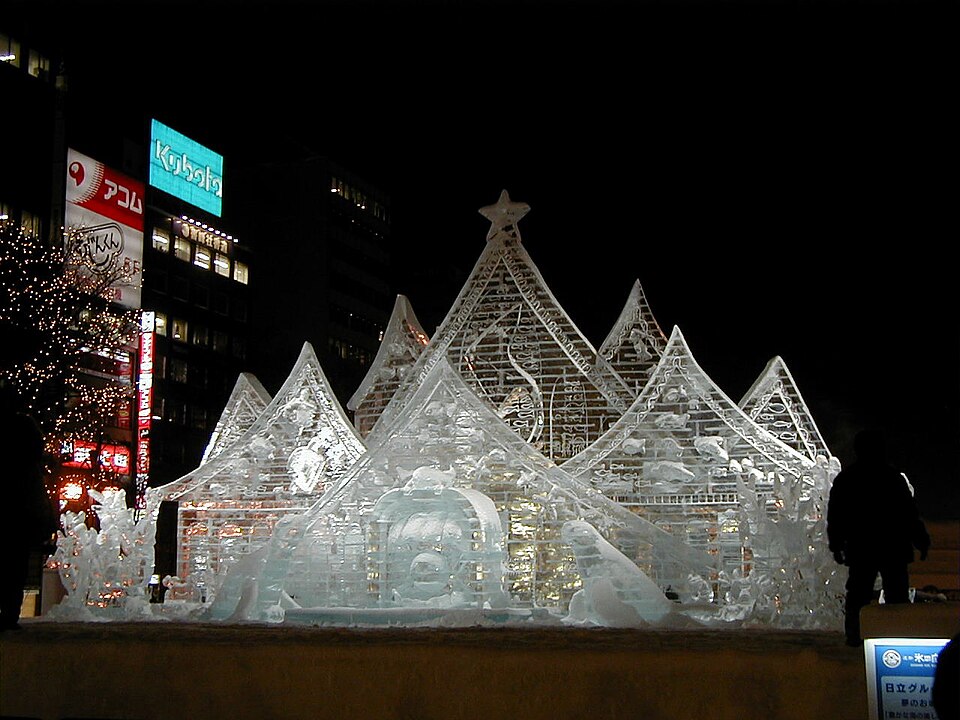
Sapporo Snow Festival
さっぽろ雪まつり
Confirmed upcoming edition
4–11 February 2027
Large snow sculptures fill Odori Park, while Susukino displays ice carvings. Tsudome is a separate site for snow activities, so choose your venues before planning the day.
Aomori · Aomori
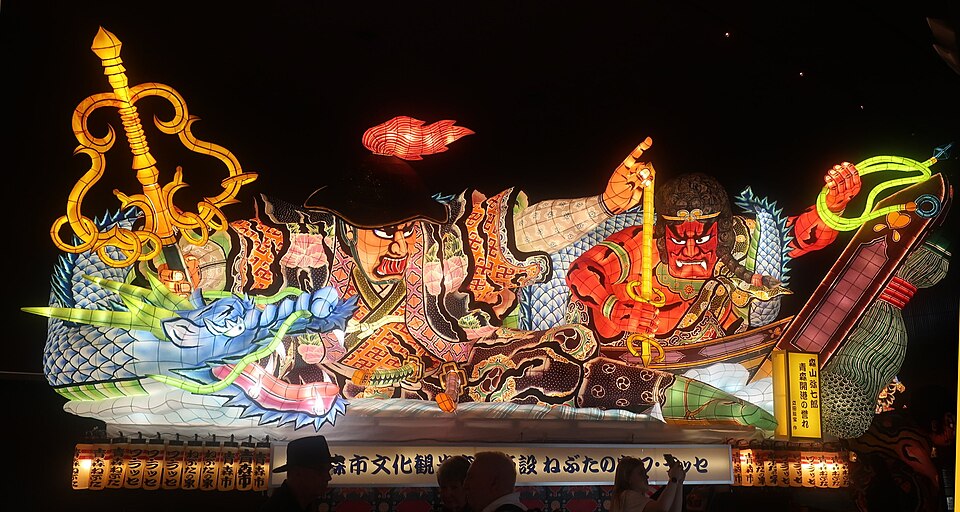
Aomori Nebuta Festival
青森ねぶた祭
Usual season · dates not confirmed
Usually 2–7 August; next edition details await the organiser
Illuminated floats depicting warriors and mythical figures move through Aomori with drums, flutes and haneto dancers. Street parades and the final waterfront programme offer different views.
Akita · Akita
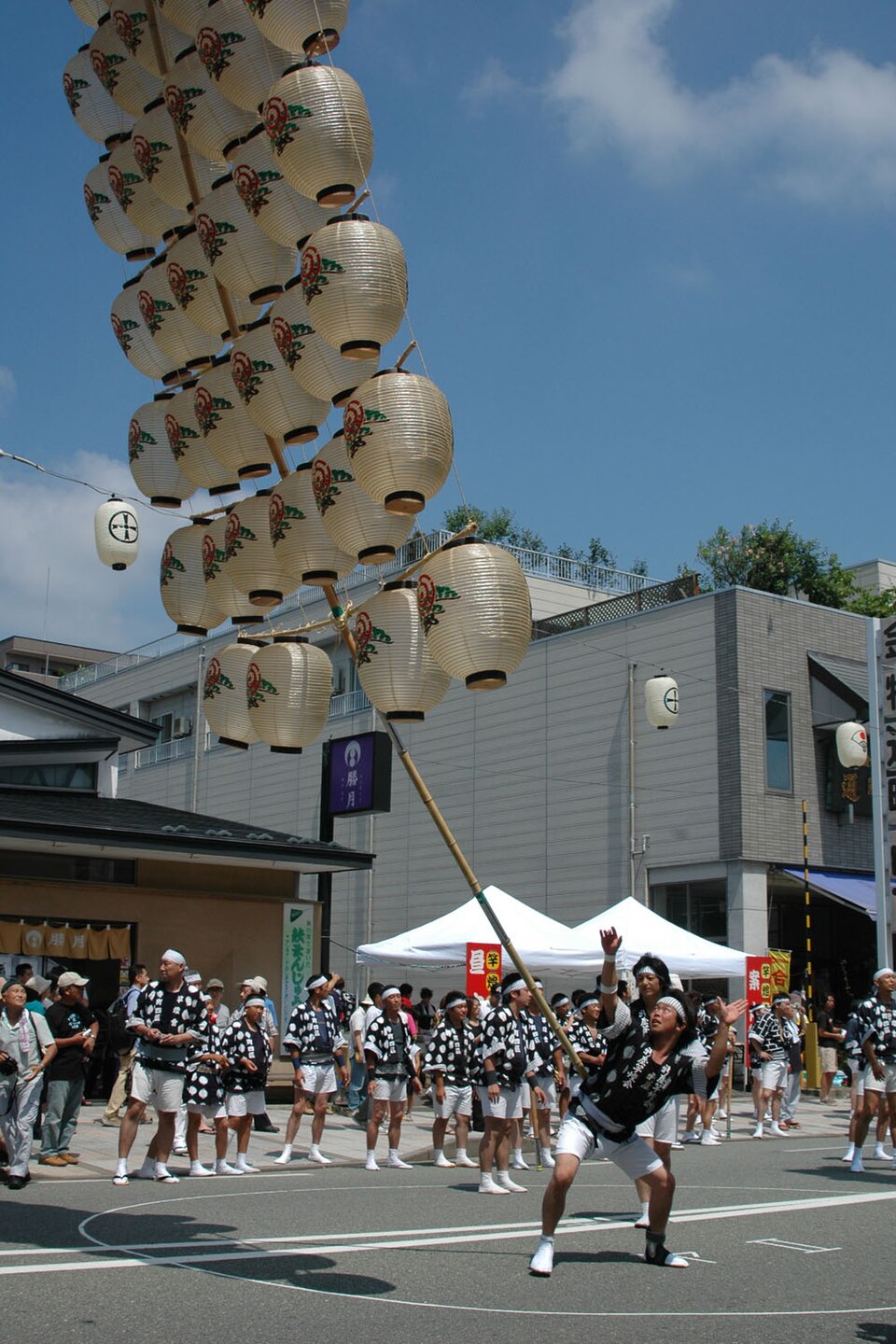
Akita Kanto Festival
秋田竿燈まつり
Usual season · dates not confirmed
Usually 3–6 August; next edition details await the organiser
Performers balance tall bamboo poles hung with lanterns on their hands, foreheads, shoulders and hips. Night displays show the lanterns, while daytime contests reveal the balancing techniques.
Miyagi · Sendai
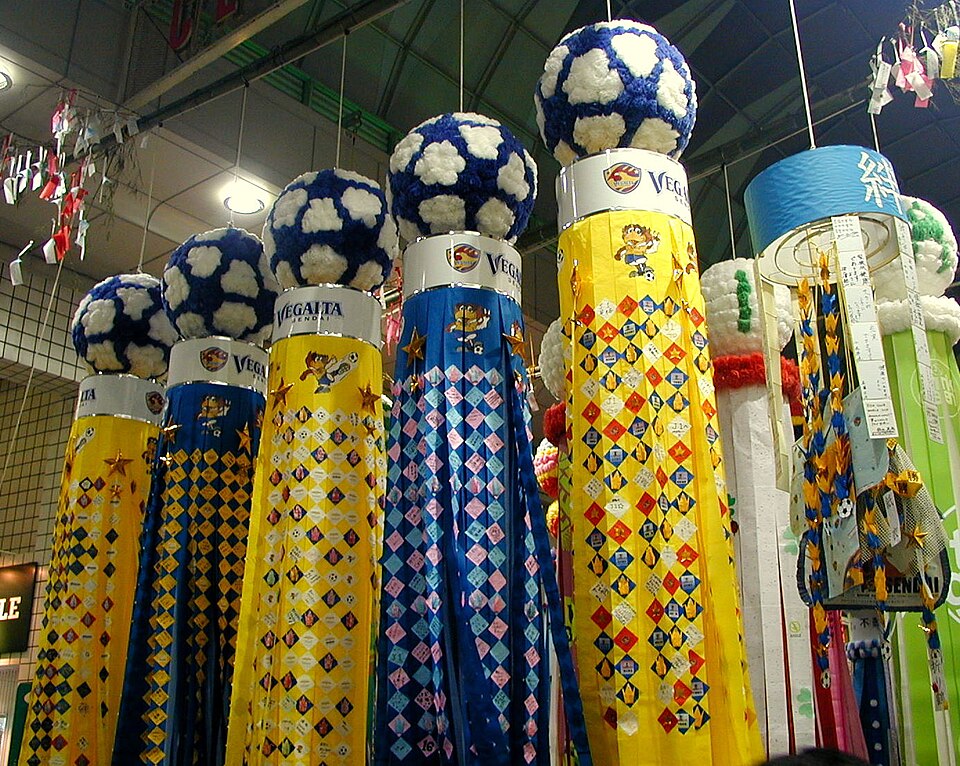
Sendai Tanabata Festival
仙台七夕まつり
Usual season · dates not confirmed
Usually 6–8 August; next edition details await the organiser
Colourful paper streamers hang above Sendai’s shopping streets. This is a festival to explore on foot: each shop’s decorations have different patterns, shapes and wishes.
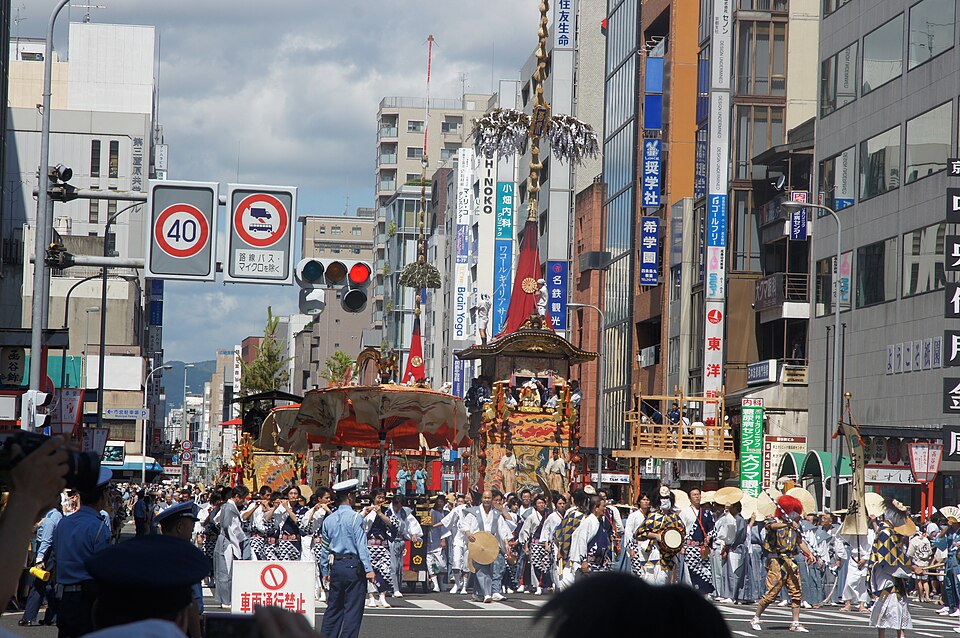
Kyoto · Kyoto
Gion Matsuri
祇園祭
Usual season · dates not confirmed
Usually 1–31 July; Yamahoko processions on 17 and 24 July
Kyoto’s decorated yamahoko floats are displayed in their neighbourhoods before the daytime processions. Yoiyama evenings let you see textiles, carvings and festival music at closer quarters.
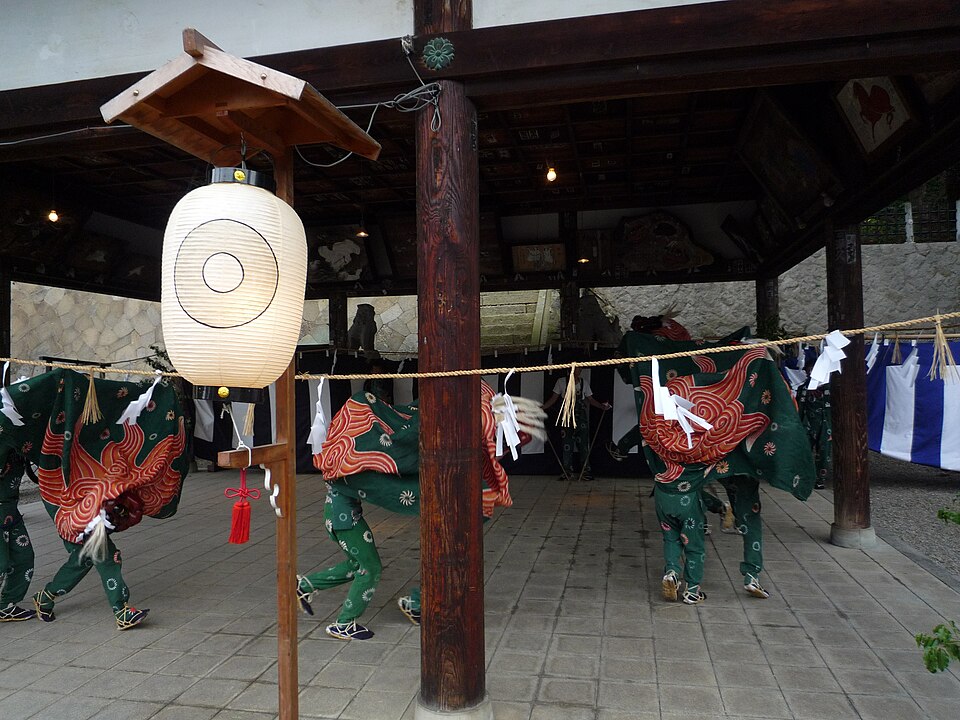
Gifu · Takayama
Takayama Autumn Festival
秋の高山祭(八幡祭)
Confirmed upcoming edition
9–10 October 2026
Carved yatai floats, a marionette performance and an evening float procession bring Takayama’s northern old town to life. The autumn festival uses a different shrine and float group from the spring festival.
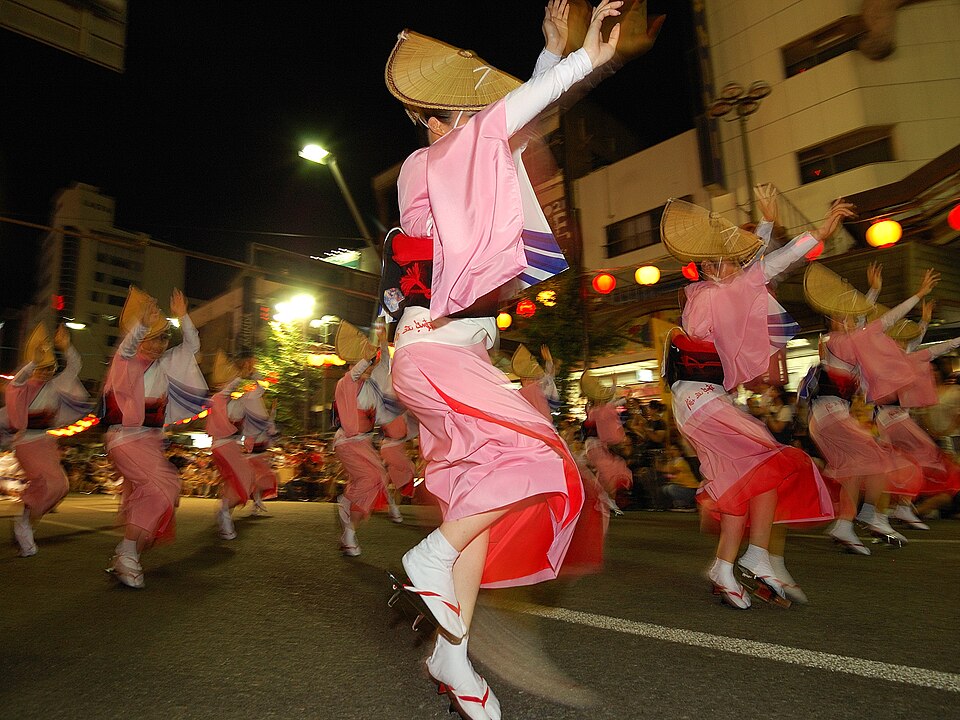
Tokushima · Tokushima
Tokushima Awa Odori
徳島市阿波おどり
Past edition
12–15 August 2026 city performances; next edition not announced
Dance groups called ren move to drums, flutes and shamisen. A seated venue offers organised performances, while street dancing has a more mobile viewing pattern.
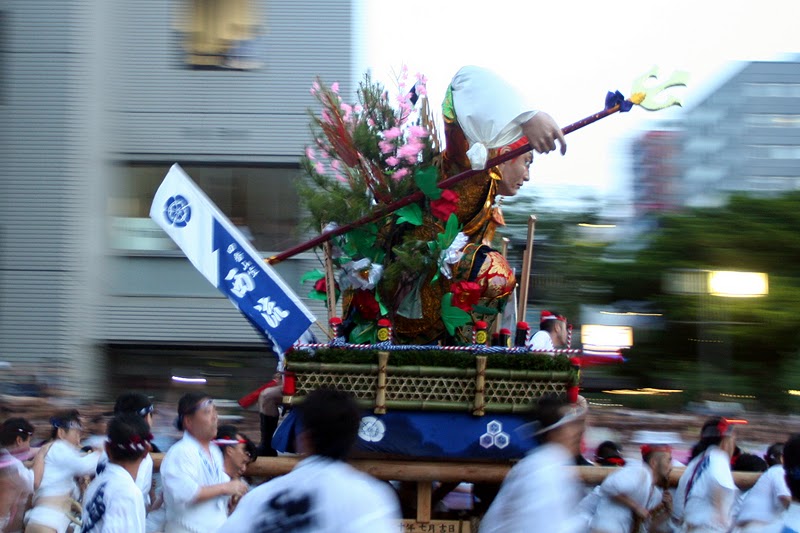
Fukuoka · Fukuoka
Hakata Gion Yamakasa
博多祇園山笠
Usual season · dates not confirmed
Usually 1–15 July; Oiyama takes place before dawn on 15 July
Tall decorative floats stand in the streets, while carrying teams race with smaller kakiyama floats later in the festival. Static displays and the early-morning race need different plans.
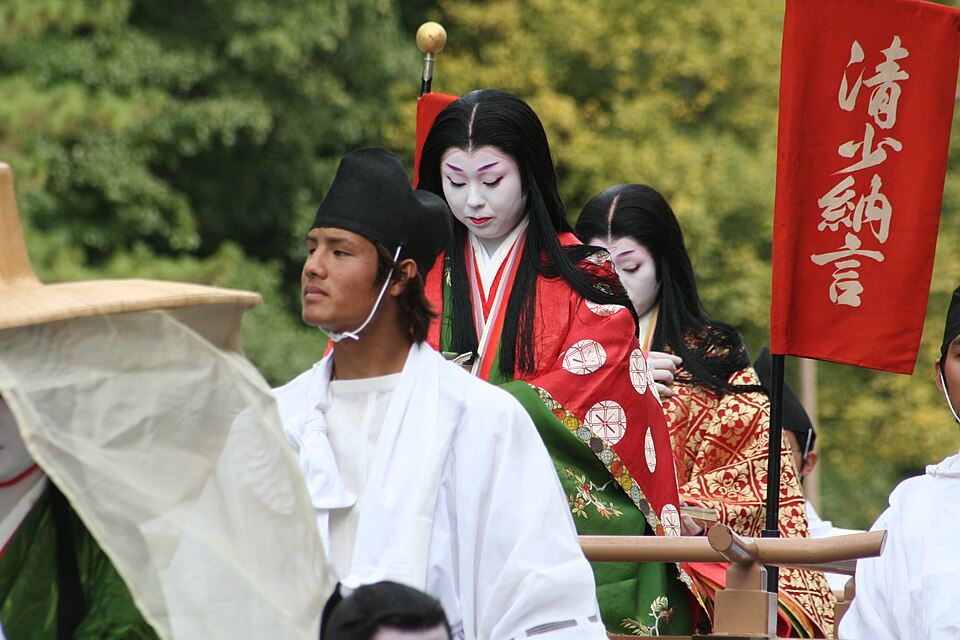
Kyoto · Kyoto
Jidai Matsuri
時代祭
Confirmed upcoming edition
22 October 2026; procession may be postponed in rain
Costumed participants represent successive periods of Kyoto’s history as the procession travels from the Imperial Palace to Heian Jingu. Your viewing point determines the arrival time you need.
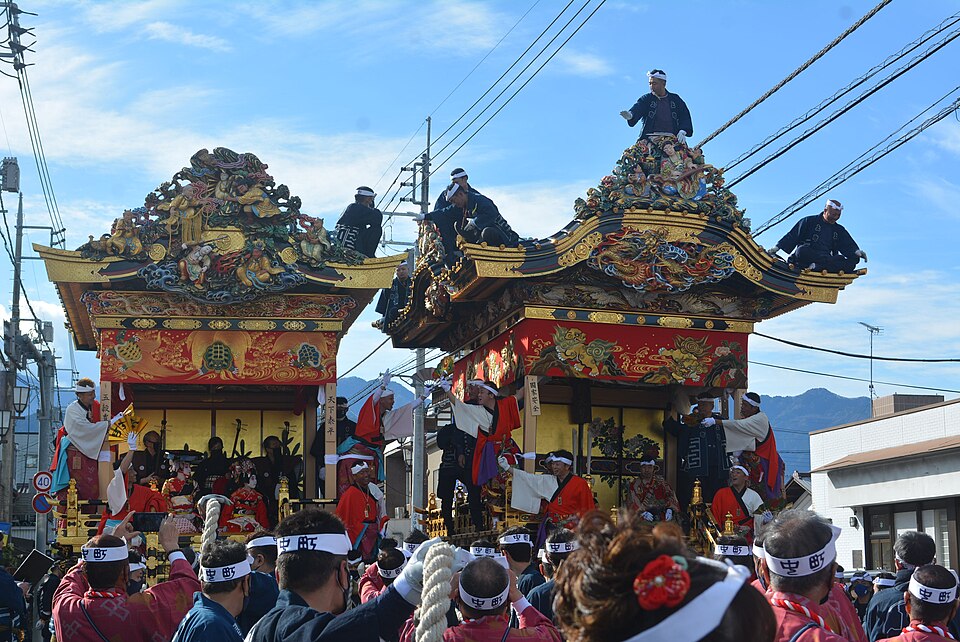
Saitama · Chichibu
Chichibu Night Festival
秩父夜祭
Usual season · dates not confirmed
Usually 2–3 December; next edition details await the organiser
Lantern-covered floats move through Chichibu after dark, with the main programme traditionally on 3 December. This evening festival needs a return-transport plan as well as a viewing plan.
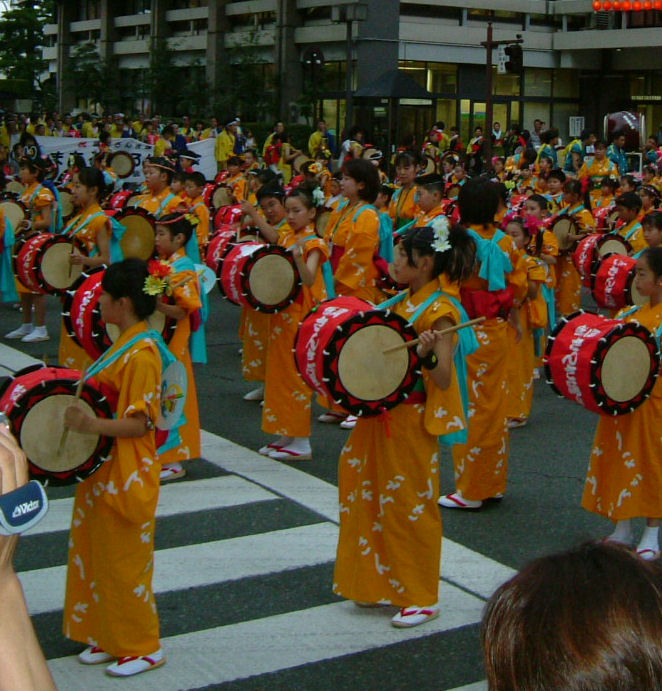
Iwate · Morioka
Morioka Sansa Odori
盛岡さんさ踊り
Usual season · dates not confirmed
Usually 1–4 August
Dancers wearing drums move through Morioka in coordinated groups. Watch both the formation and the drummers’ hand movements to see how rhythm and dance fit together.
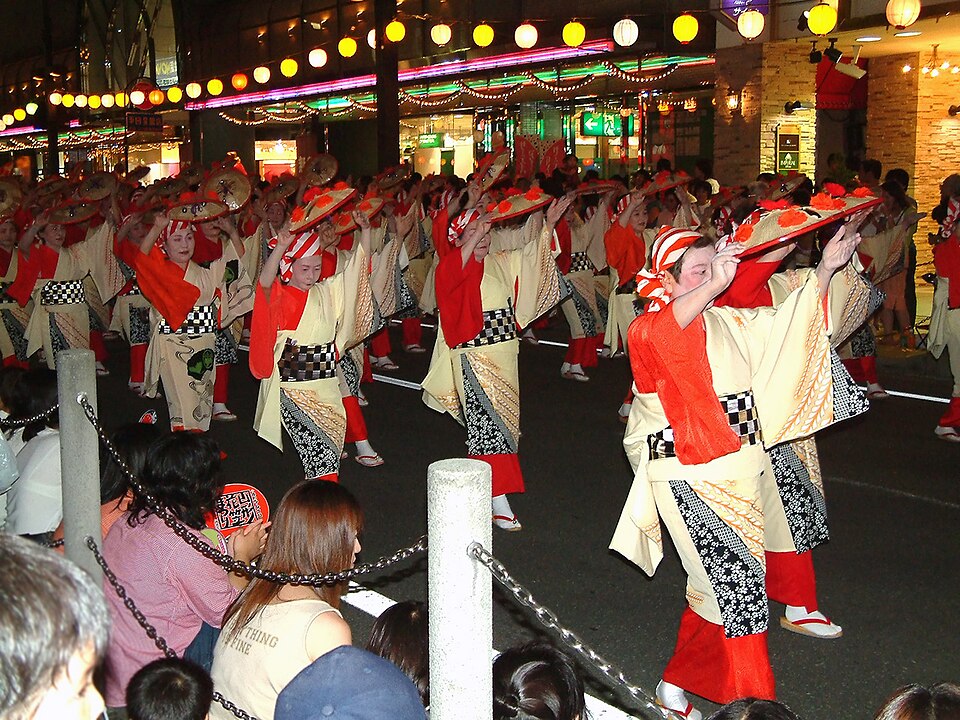
Yamagata · Yamagata
Yamagata Hanagasa Festival
山形花笠まつり
Usual season · dates not confirmed
Usually 5–7 August
Dancers carry hats decorated with red safflowers along Yamagata’s central streets. Traditional movements and newly choreographed group dances give successive teams different styles.
Fukushima · Minamisoma
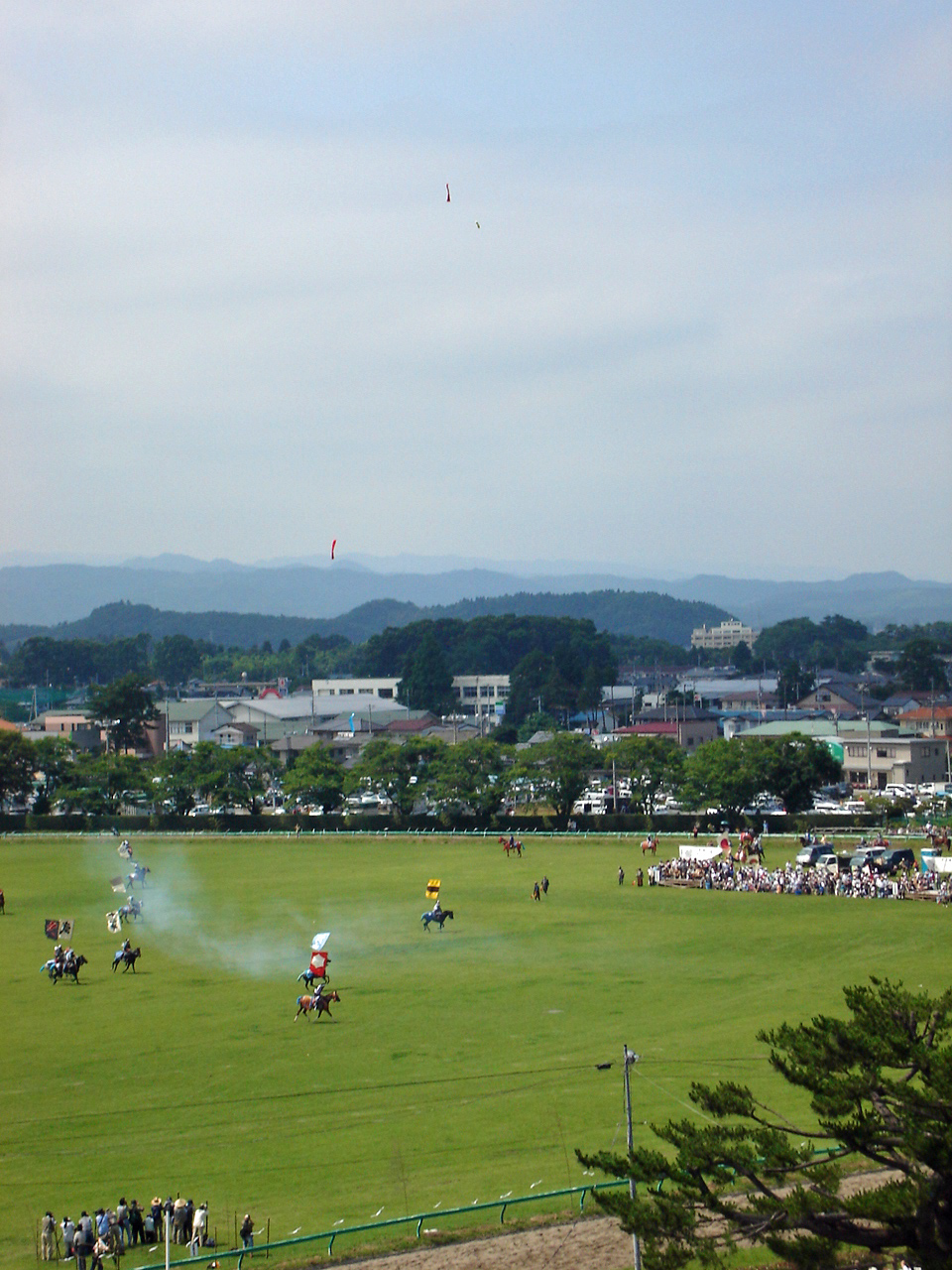
Soma Nomaoi
相馬野馬追
Past edition
23–25 May 2026; next edition awaits official announcement
Armoured riders take part in processions and mounted competitions. The street procession and the contests at Hibarigahara are different programmes, so select your day for the activity you want.
Ibaraki · Mito
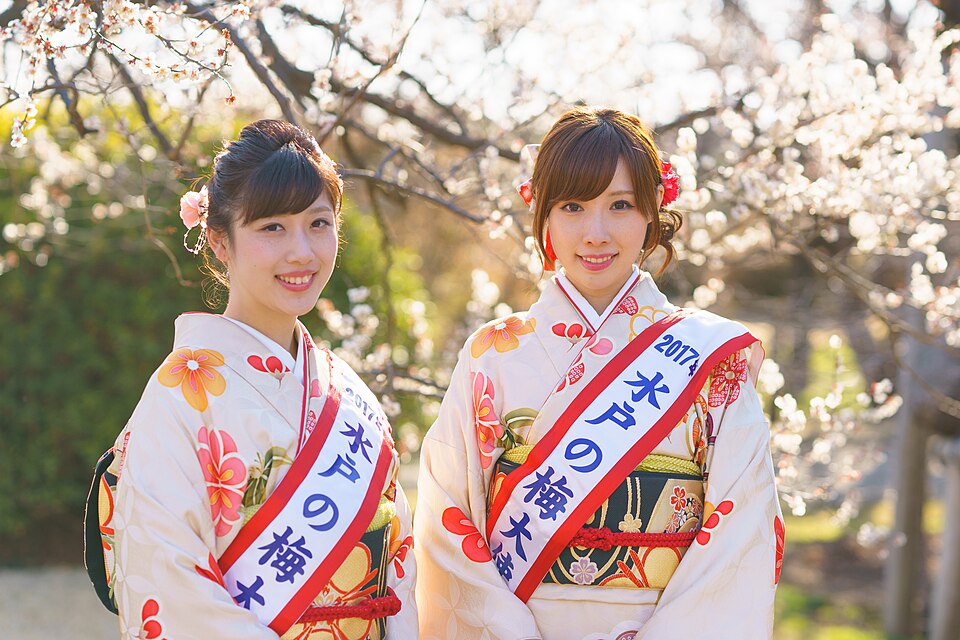
Mito Plum Blossom Festival
水戸の梅まつり
Usual season · dates not confirmed
Usually February–March; blossom timing varies separately
Plum trees flower across Mito’s historic garden and school grounds. Different varieties bloom at different times, so an event date alone does not tell you which flowers you will see.
Tochigi · Kanuma
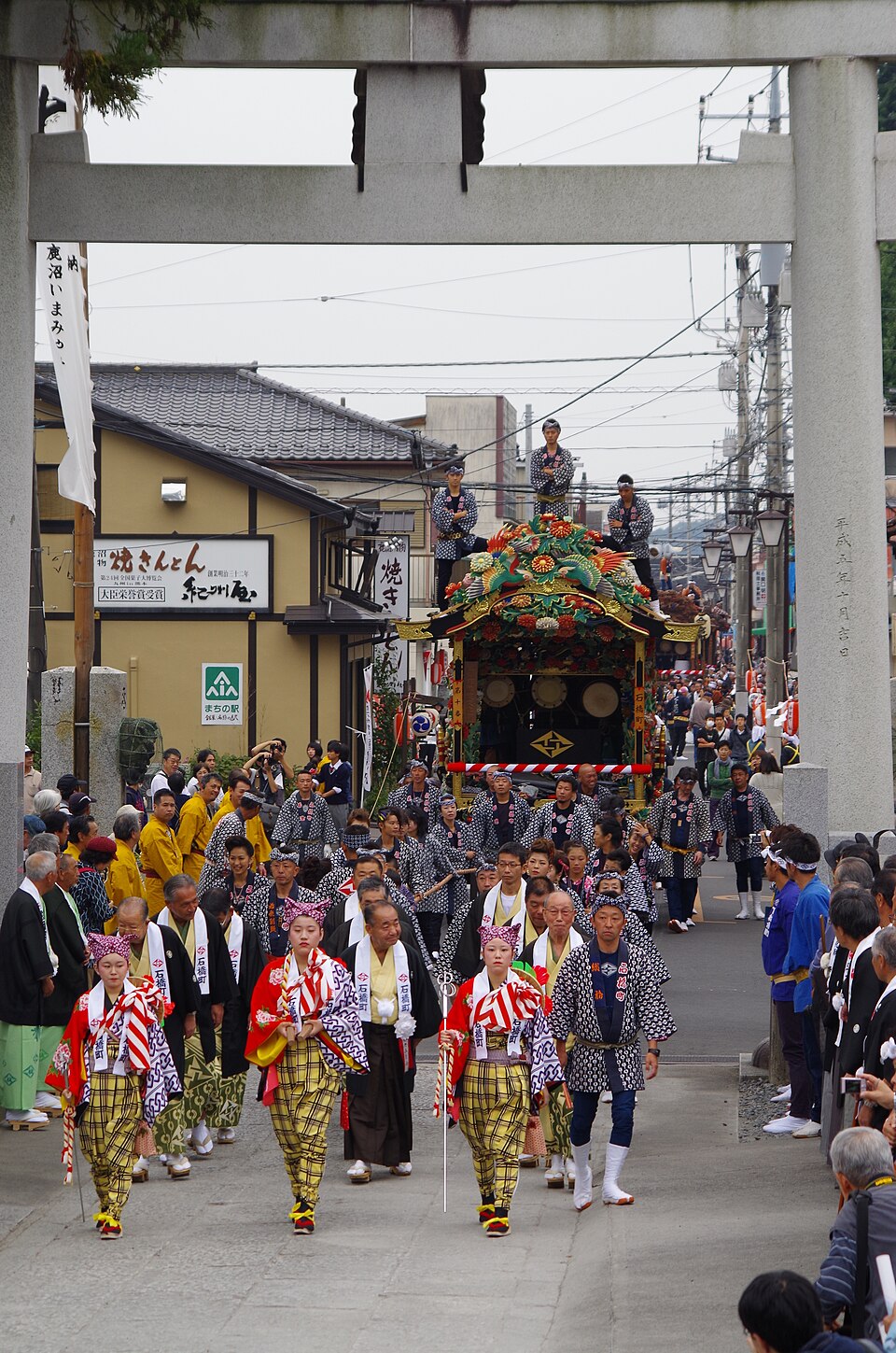
Kanuma Autumn Festival
鹿沼秋まつり
Confirmed upcoming edition
10–11 October 2026
Wooden floats covered in detailed carvings move through Kanuma with festival music. Figures and animals carved into the floats reward a closer look when the floats are stationary.
Gunma · Kiryu
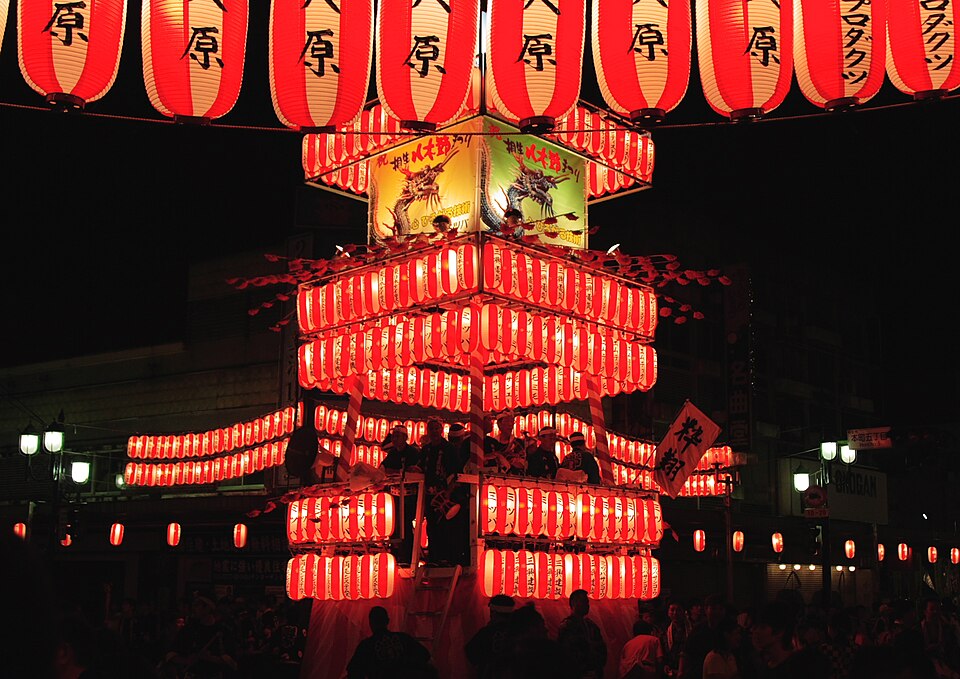
Kiryu Yagibushi Festival
桐生八木節まつり
Usual season · dates not confirmed
Usually August; dates announced for each edition
People dance in circles to Yagibushi music, alongside Gion shrine processions and other local programmes. Choose the street-dancing area if joining or watching the circles is your main interest.
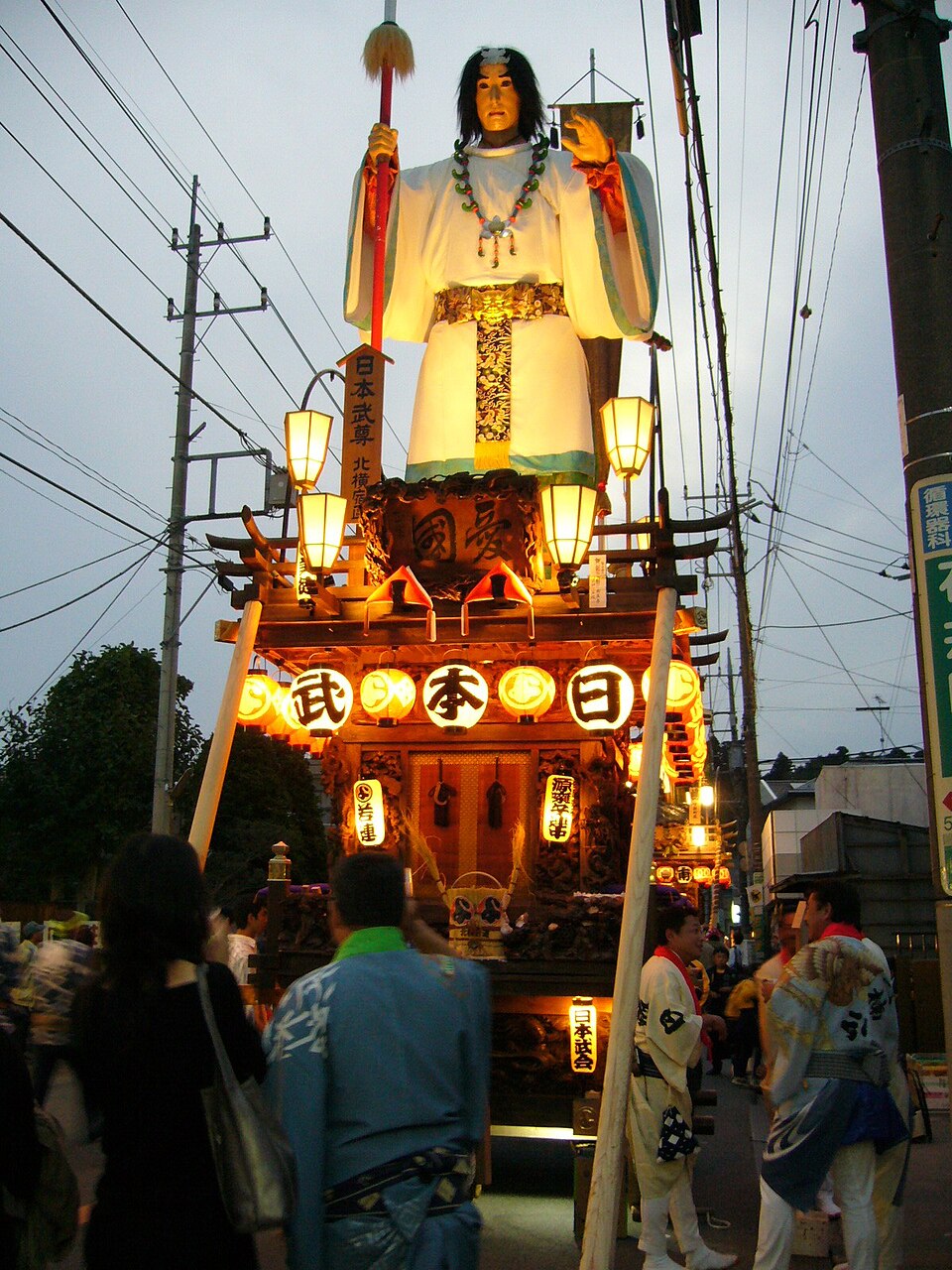
Chiba · Katori / Sawara
Sawara Grand Festival
佐原の大祭
Confirmed upcoming edition
9–11 October 2026, 10:00–22:00; separate summer edition in July
Large doll-topped floats turn through narrow streets to Sawara-bayashi music. Summer and autumn are separate editions with different neighbourhood routes.
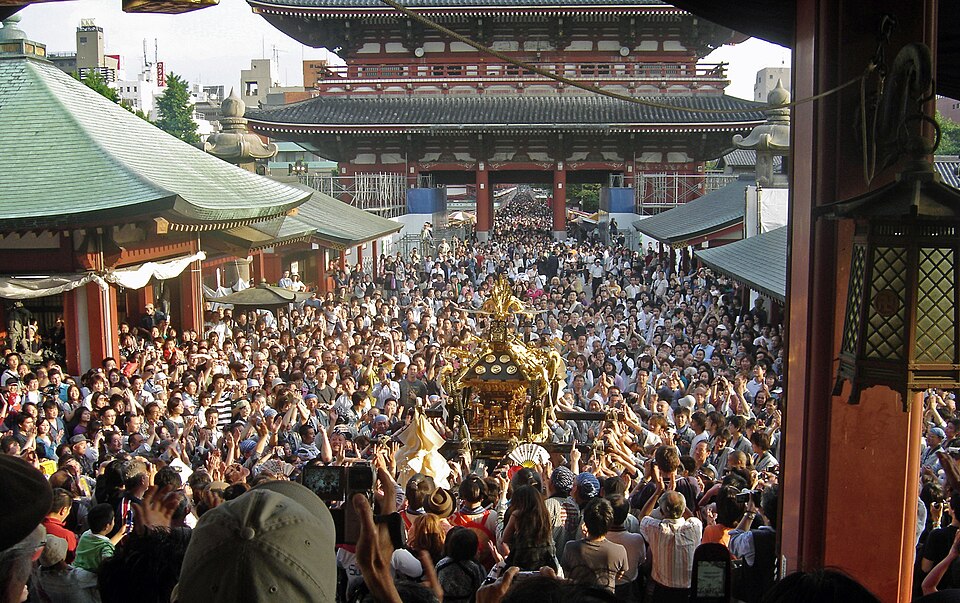
Tokyo · Tokyo / Asakusa
Sanja Matsuri
三社祭
Usual season · dates not confirmed
Usually Friday–Sunday around the third Saturday in May
Neighbourhood teams carry mikoshi portable shrines through Asakusa. The shrine’s three main mikoshi and traditional Binzasara dance are parts of the programme, with different timings.
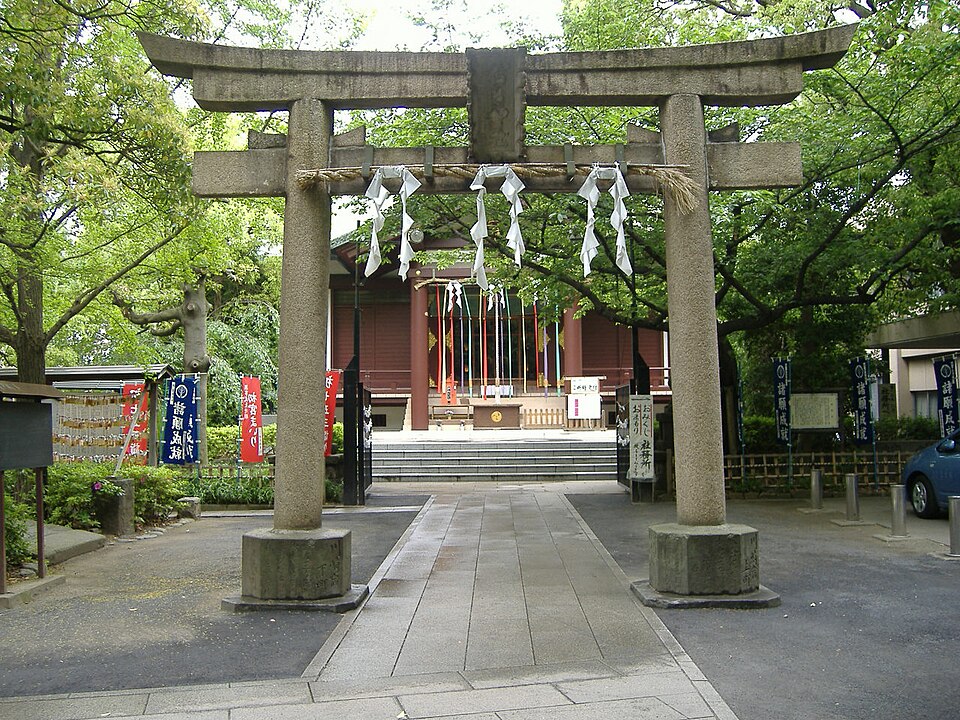
Kanagawa · Kawasaki
Kawasaki Sanno Festival
川崎山王祭
Past edition
14–21 June 2026; shrine festival moved to June from 2026
Large mikoshi pass through streets around Inage Shrine, with drumming and kagura at the shrine. The festival’s move to June from 2026 makes older August listings unsuitable for planning.
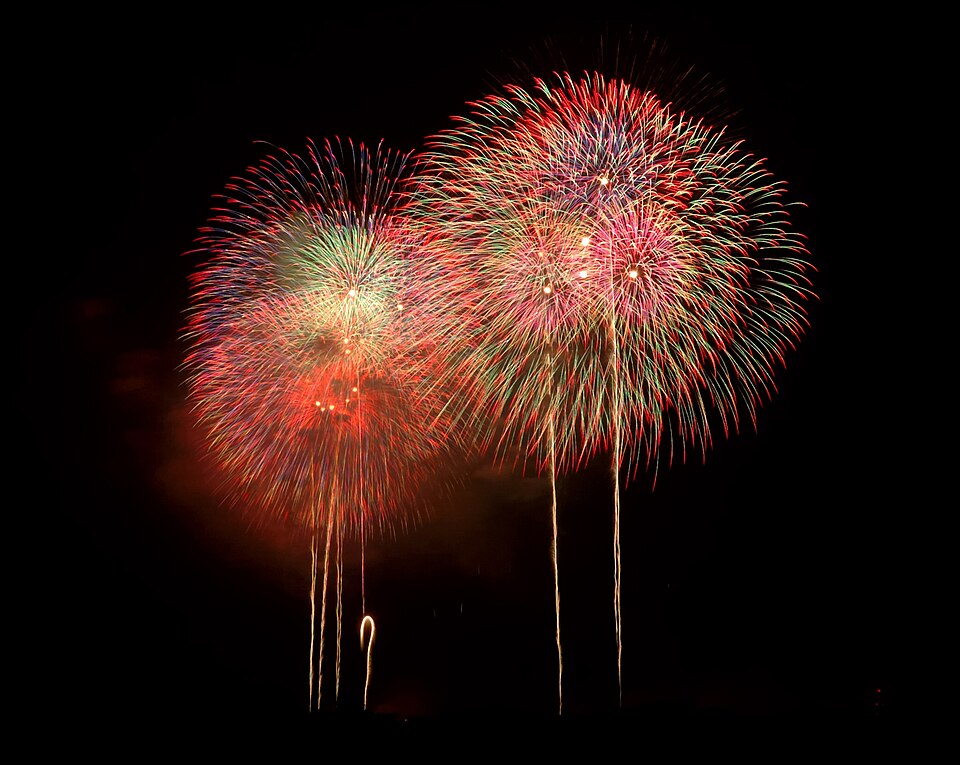
Niigata · Nagaoka
Nagaoka Fireworks Festival
長岡まつり大花火大会
Usual season · dates not confirmed
Usually 2–3 August; viewing arrangements announced annually
Large fireworks spread over the Shinano River. The programme carries themes of remembrance and recovery, including recovery after the region’s earthquake.
Toyama · Toyama / Yatsuo
Owara Kaze no Bon
おわら風の盆
Usual season · dates not confirmed
Usually 1–3 September
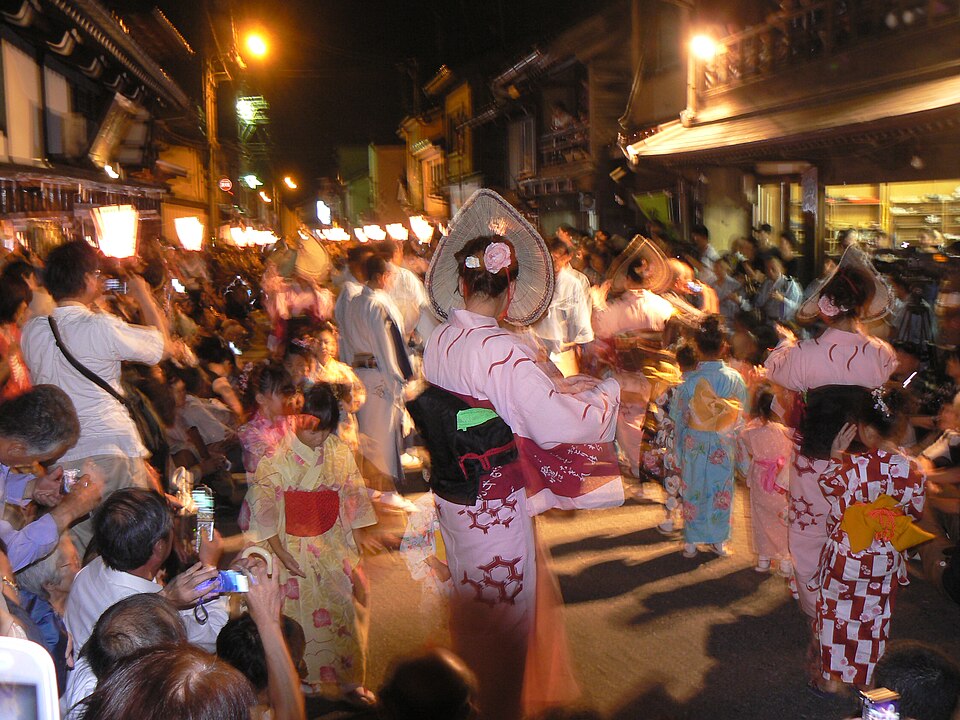
Hat-wearing dancers move along Yatsuo’s streets to song, shamisen and kokyu. Small neighbourhood routes make this a festival to explore carefully rather than one large central parade.
Ishikawa · Kanazawa
Kanazawa Hyakumangoku Festival
金沢百万石まつり
Usual season · dates not confirmed
Usually three days around the first Saturday in June
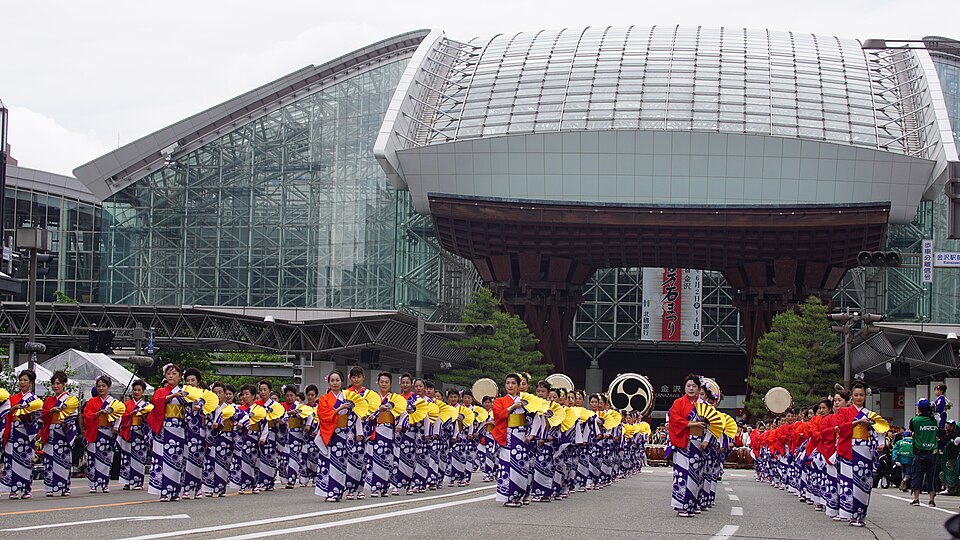
Armoured participants and historical figures travel from the station towards the castle. Traditional performances and tea-related events add different ways to spend the festival weekend.
Fukui · Sakai / Mikuni
Mikuni Festival
三国祭
Usual season · dates not confirmed
Usually 19–21 May
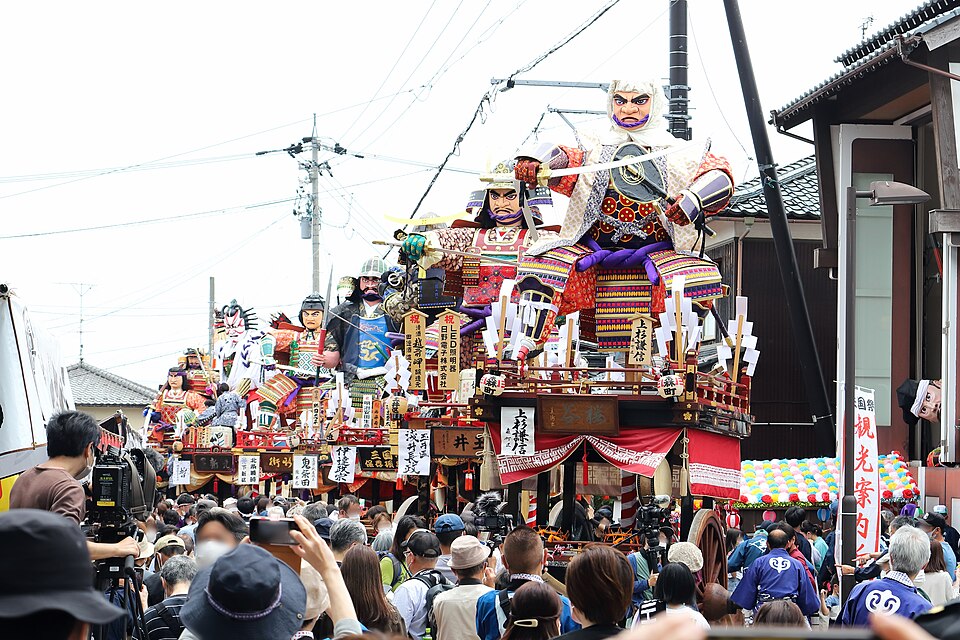
Floats carrying large warrior figures move through Mikuni’s old streets. Displays near the shrine and moving floats offer different views of the figures and festival music.
Yamanashi · Kofu
Shingen-ko Festival
信玄公祭り
Past edition
3–5 April 2026; next edition awaits official announcement
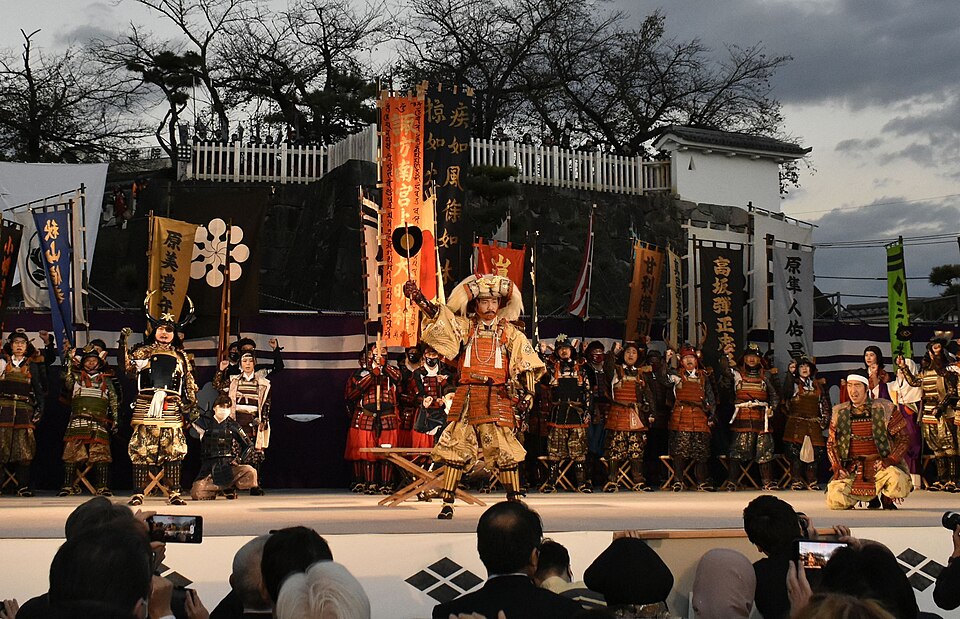
A procession recreates the appearance of warriors from Takeda Shingen’s era. The gathering and departure at the central venue are different scenes from the later street procession.
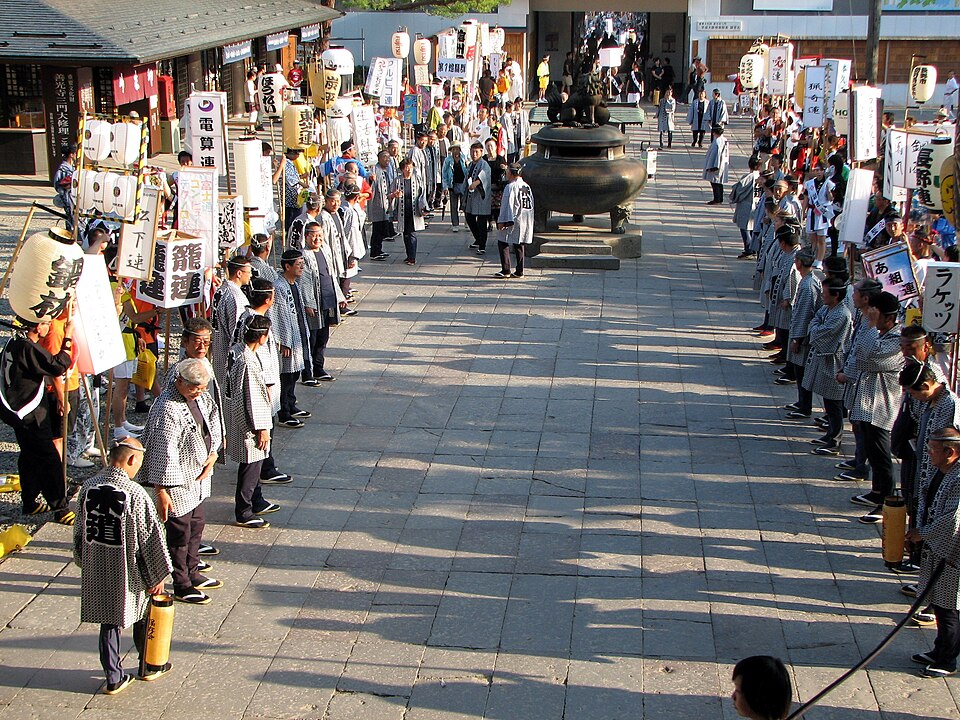
Nagano · Nagano
Nagano Binzuru Festival
長野びんずる
Past edition
1 August 2026; next edition awaits official announcement
Teams dance through Nagano carrying shamoji wooden rice paddles. Costumes, rhythm and team formations make the street procession varied from one group to the next.
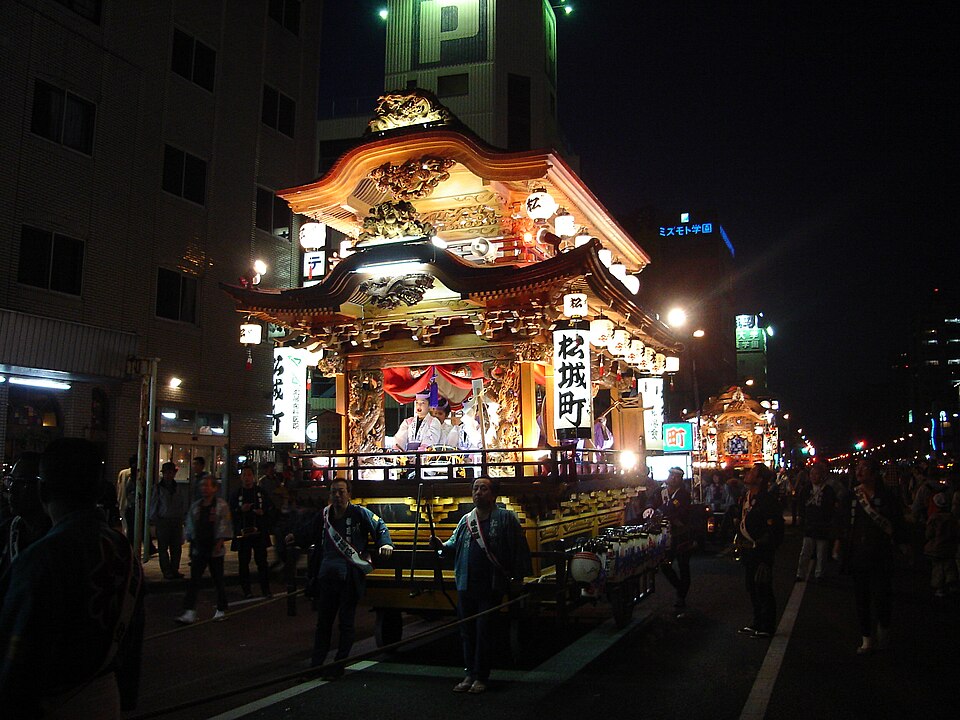
Shizuoka · Hamamatsu
Hamamatsu Festival
浜松まつり
Usual season · dates not confirmed
Usually 3–5 May
Large kites fly at Nakatajima by day, while decorated goten-yatai floats appear in the city at night. The two sites are apart, so seeing both needs a planned transfer.
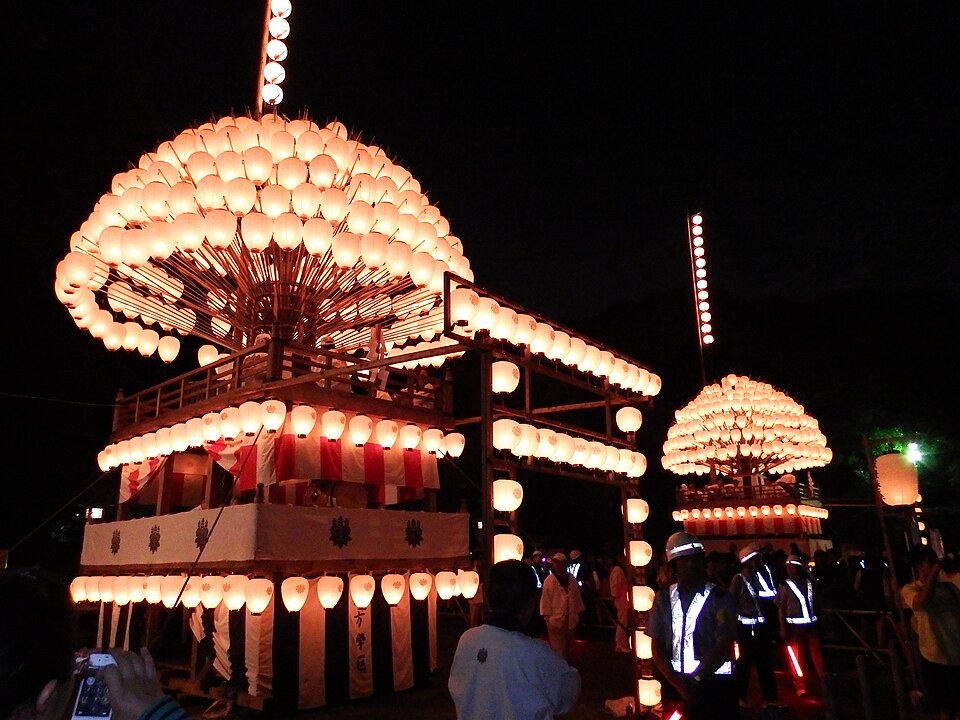
Aichi · Nagoya
Atsuta Festival
熱田まつり
Usual season · dates not confirmed
Usually 5 June
Atsuta’s annual shrine festival combines rites, dedicated performances and lantern displays. Pick a programme from the shrine’s timetable rather than treating all activities as one continuous show.
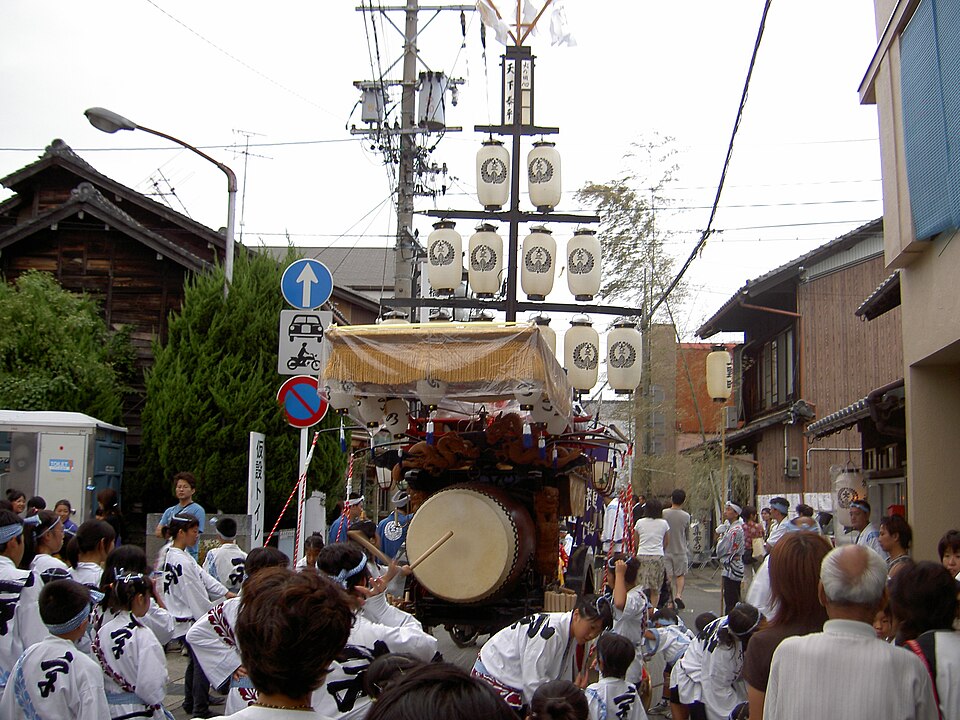
Mie · Kuwana
Kuwana Ishidori Festival
桑名石取祭
Usual season · dates not confirmed
Usually the first Sunday in August and the preceding day
Floats carry drums and gongs through Kuwana, with each neighbourhood bringing its own rhythm. Sound is as much a part of the visit as the float decorations.
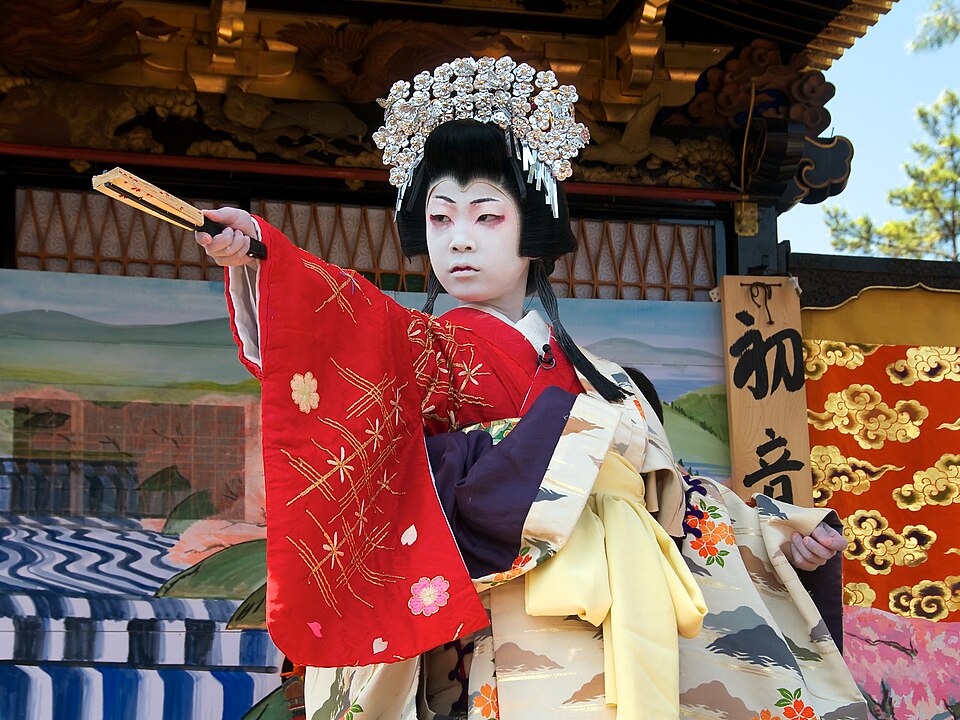
Shiga · Nagahama
Nagahama Hikiyama Festival
長浜曳山まつり
Usual season · dates not confirmed
Usually April; principal programmes around 15 April
Children perform kabuki on stages built into decorated floats. The dialogue and acting matter as much as the floats, so check performance times rather than only the parade route.
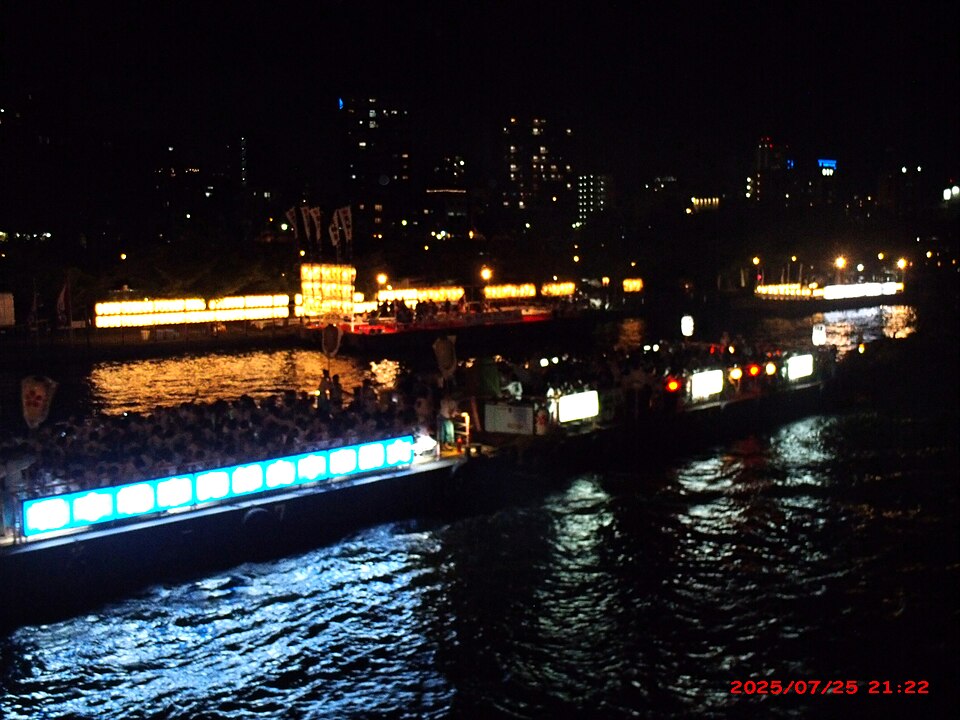
Osaka · Osaka
Tenjin Matsuri
天神祭
Usual season · dates not confirmed
Usually 24–25 July
A shrine procession travels through Osaka before river boats form part of the evening programme. The shrine, street route and river viewing areas need separate approaches.
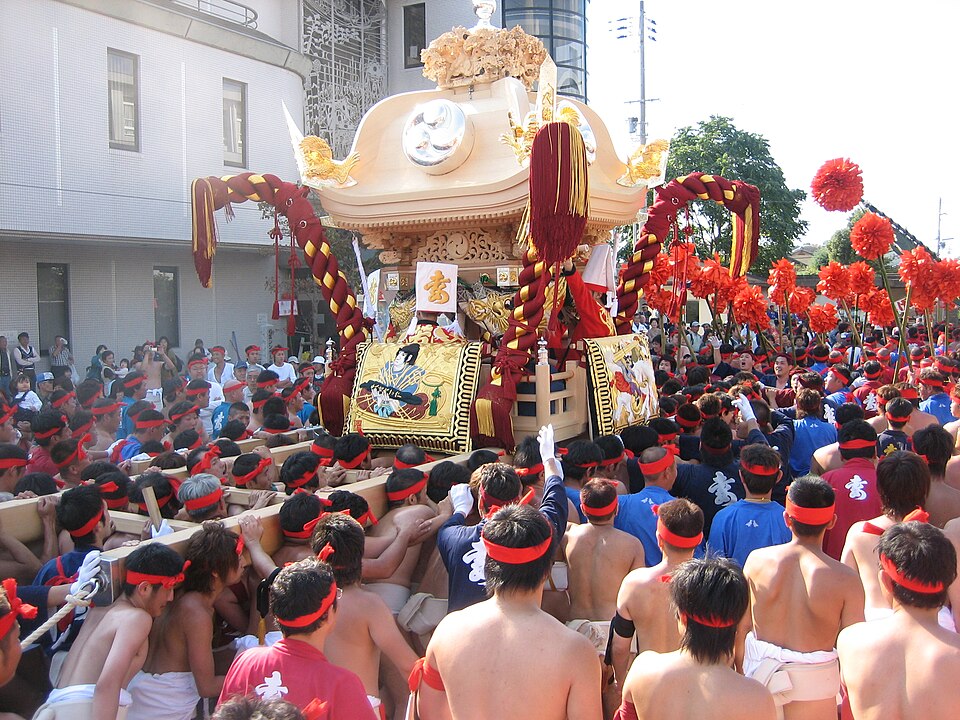
Hyogo · Himeji
Nada Fighting Festival
灘のけんか祭り
Usual season · dates not confirmed
Usually 14–15 October
Portable shrines collide in a ritual alongside decorated neighbourhood floats. The festival is on Himeji’s coastal side, away from the castle sightseeing area.
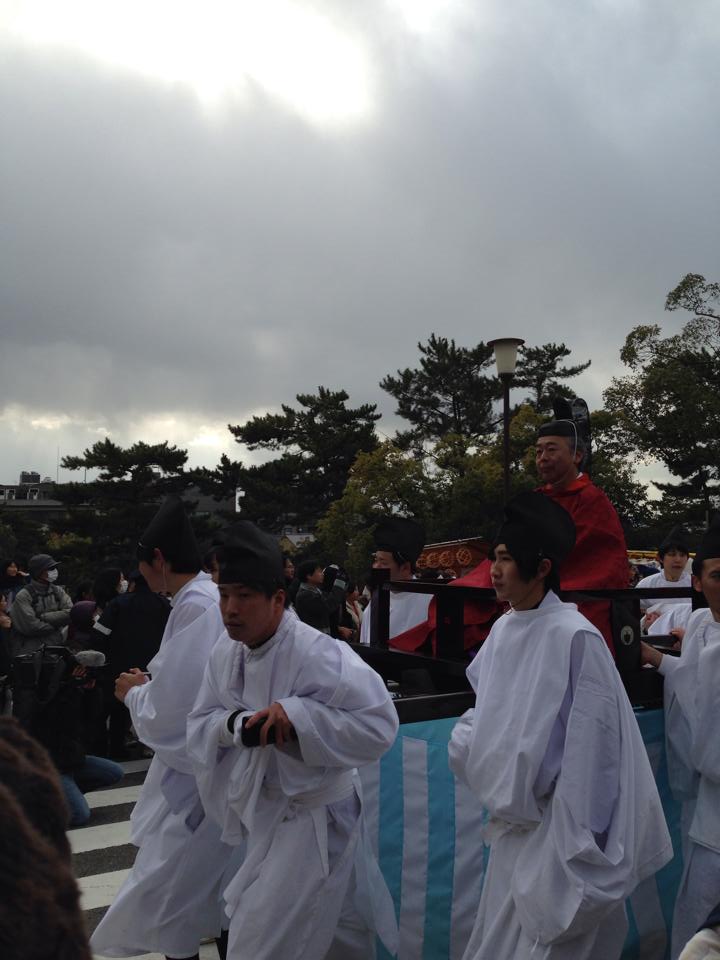
Nara · Nara
Kasuga Wakamiya Onmatsuri
春日若宮おん祭
Usual season · dates not confirmed
Usually 15–18 December; main procession and performances on 17 December
Historical costumes, a procession and dedicated music and dance form the festival. Kagura, dengaku and bugaku performances have different times and locations.
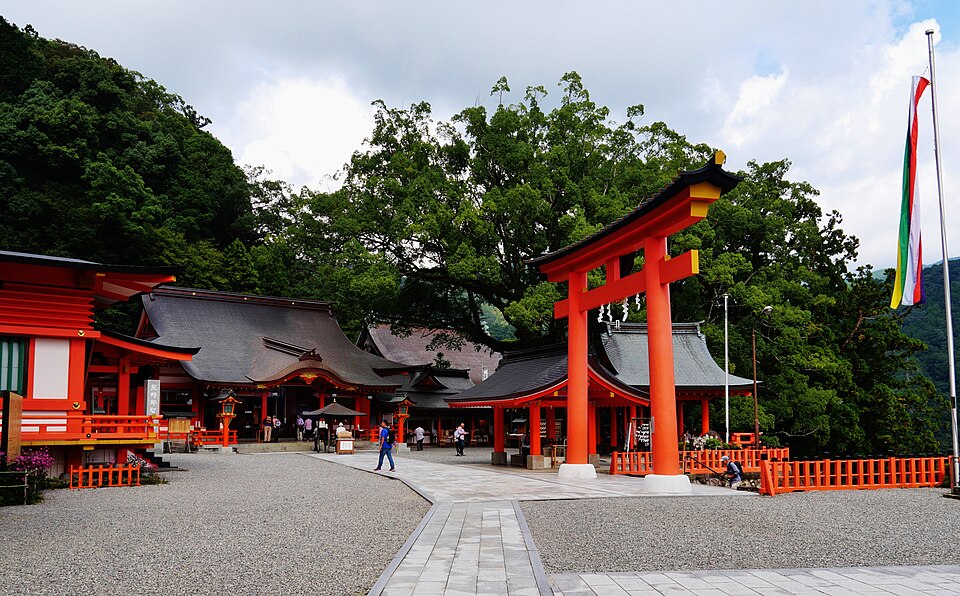
Wakayama · Nachikatsuura
Nachi Ogi Matsuri
那智の扇祭り
Usual season · dates not confirmed
Usually 14 July
Large torches accompany fan-shaped portable shrines towards Nachi Falls. The event is also known as the Nachi Fire Festival, but its fire is ceremonial torchlight rather than a fireworks display.
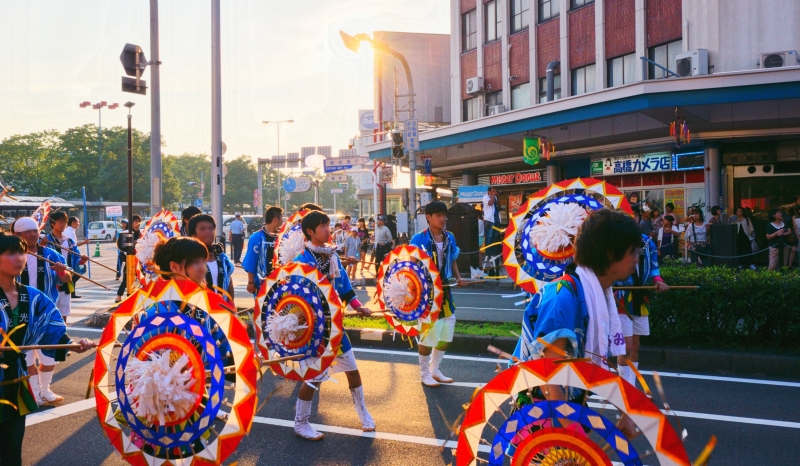
Tottori · Tottori
Tottori Shan Shan Festival
鳥取しゃんしゃん祭
Usual season · dates not confirmed
Usually August; mass umbrella dance centred on 14 August
Teams turn colourful bell-decorated umbrellas as they dance through the city. The coordinated umbrella movements and ringing bells give the parade its distinctive character.
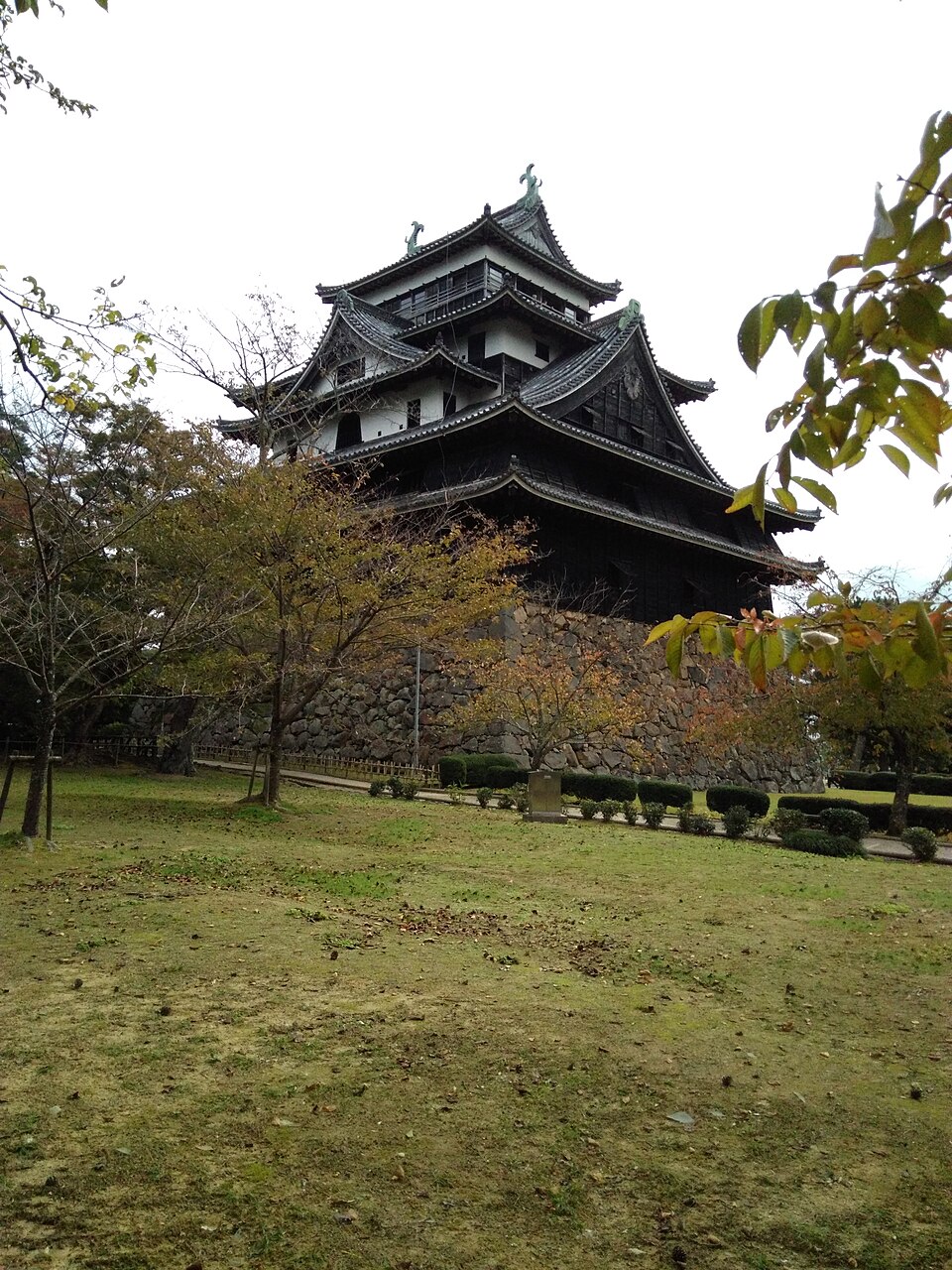
Shimane · Matsue
Matsue Suitoro
松江水燈路
Within the announced dates
26–27 September; 3–4, 10–12 and 17–18 October 2026, 18:00–21:00
Lanterns and illumination frame Matsue Castle and its moat. This is an evening walk through the castle town rather than a float or dance procession.
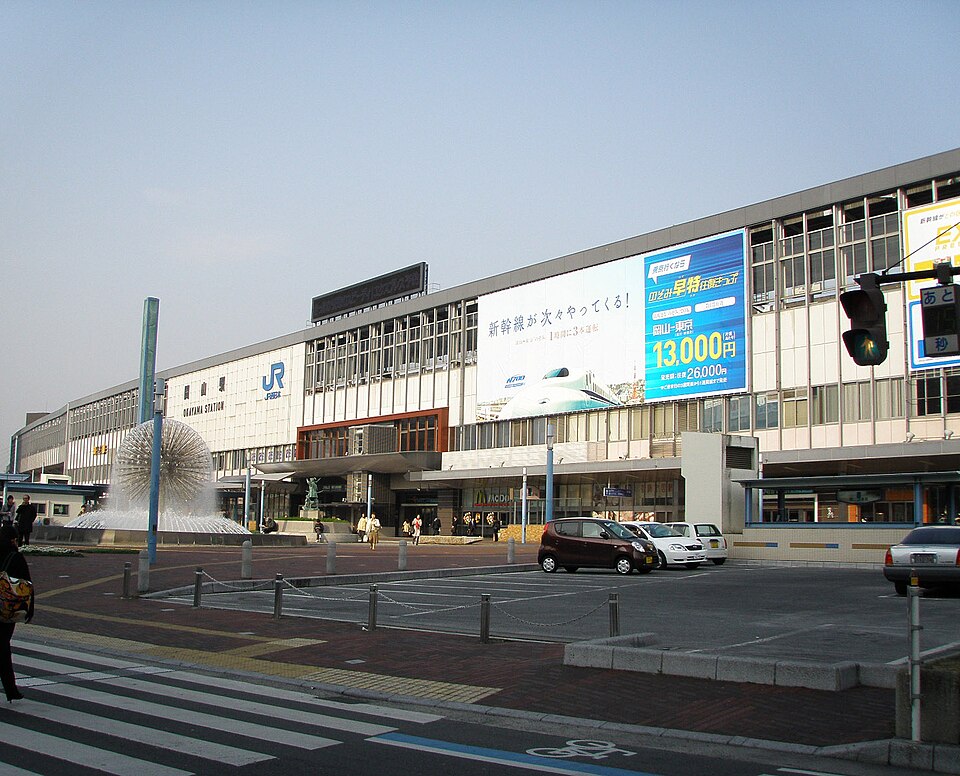
Okayama · Okayama
Okayama Uraja Festival
うらじゃ
Usual season · dates not confirmed
Usually summer; dates announced for each edition
Dance teams use bold face paint inspired by local ogre legends. Street parades and individual performance venues offer different views of the teams’ choreography.
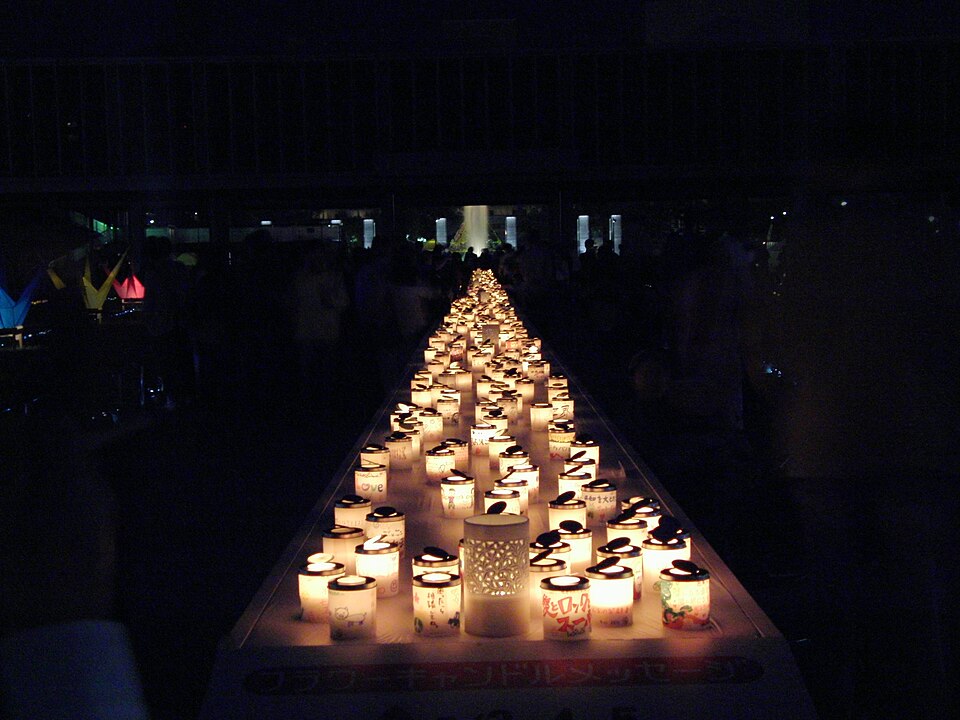
Hiroshima · Hiroshima
Hiroshima Flower Festival
ひろしまフラワーフェスティバル
Past edition
3–5 May 2026; next edition awaits official announcement
Flower-themed parades and community stage performances fill Hiroshima’s central spring festival. The boulevard programmes can be combined with a separate visit to Peace Memorial Park.
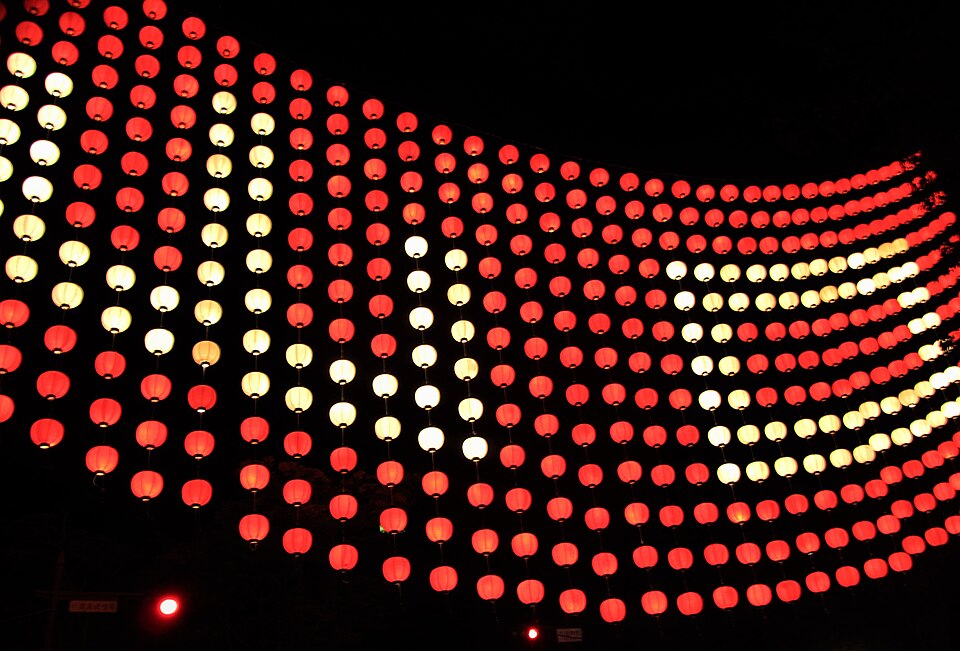
Yamaguchi · Yamaguchi
Yamaguchi Tanabata Lantern Festival
山口七夕ちょうちんまつり
Usual season · dates not confirmed
Usually 6–7 August
Red lanterns hang from bamboo poles along Yamaguchi’s shopping streets. Walking through several lantern-lined blocks is the main way to enjoy the evening setting.
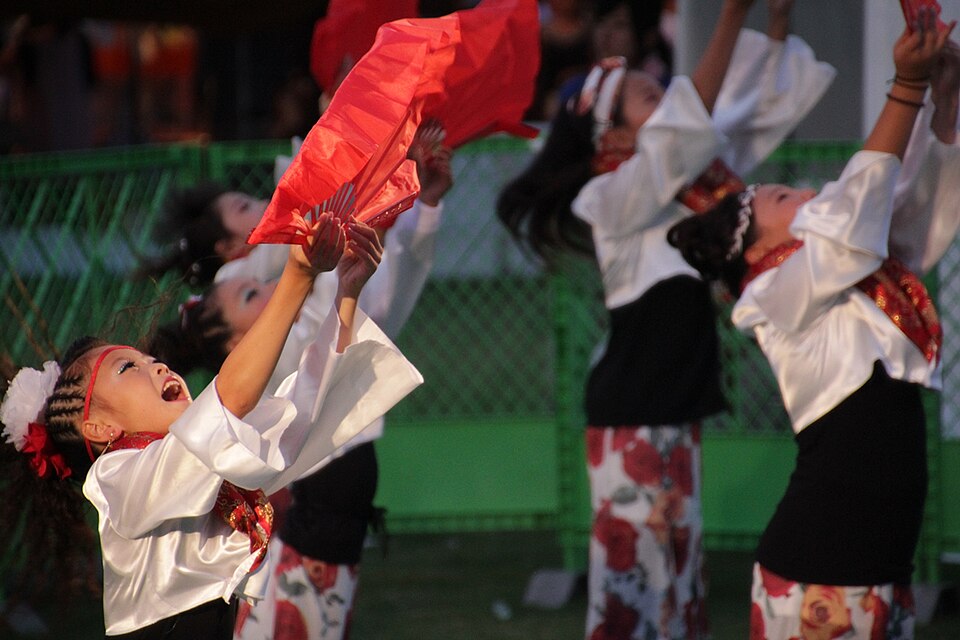
Kagawa · Takamatsu
Sanuki Takamatsu Festival
さぬき高松まつり
Usual season · dates not confirmed
Usually August; dance and fireworks programmes announced annually
Community dancing and stage performances form Takamatsu’s summer festival. Harbour programmes and central-city dancing are in different locations, so choose the event as well as the date.
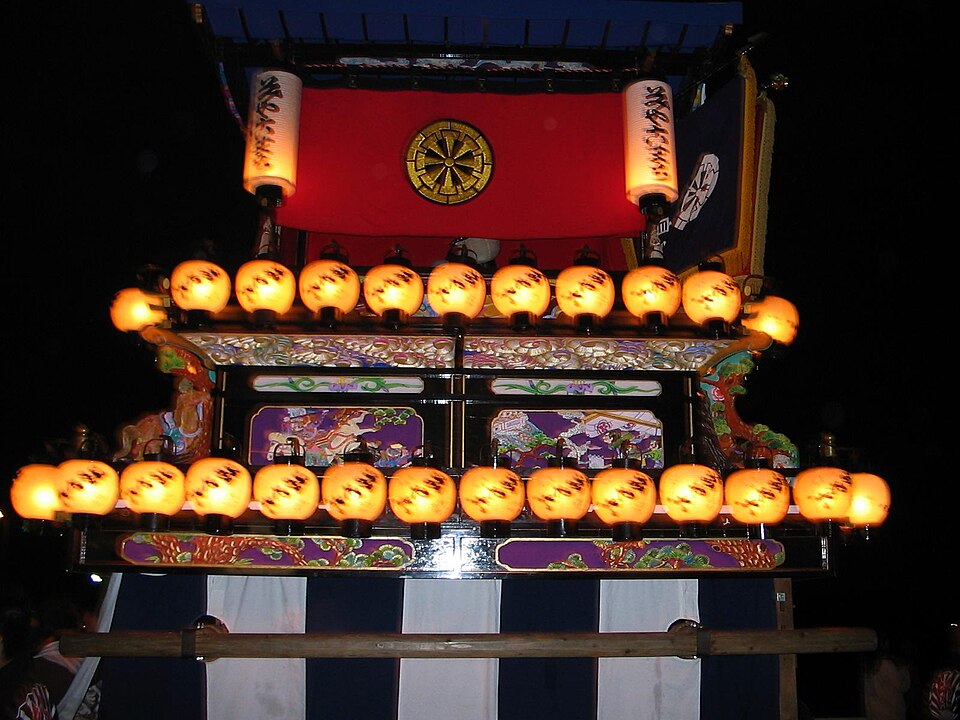
Ehime · Saijo
Saijo Festival
西条祭り
Usual season · dates not confirmed
Usually mid-October; dates differ by shrine
Lantern-decorated danjiri floats and portable shrines move through Saijo. The festival name covers several shrine rites, with different days and routes.
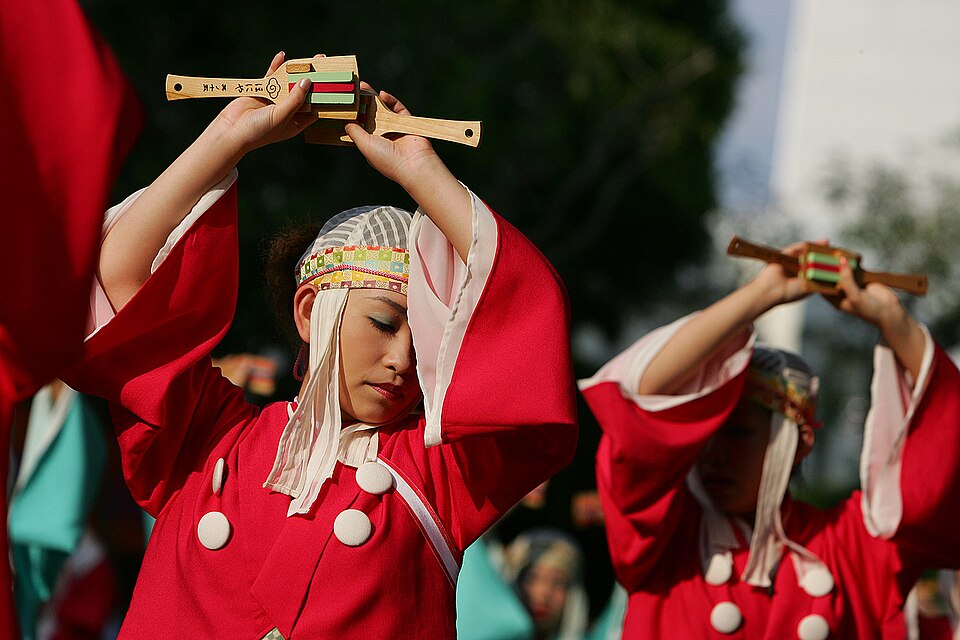
Kochi · Kochi
Kochi Yosakoi Festival
よさこい祭り
Usual season · dates not confirmed
Usually 9–12 August; main competitions centred on 10–11 August
Dance teams use naruko wooden clappers with their own music and costumes. Watching several teams at one venue lets you compare the choreography without following them across town.
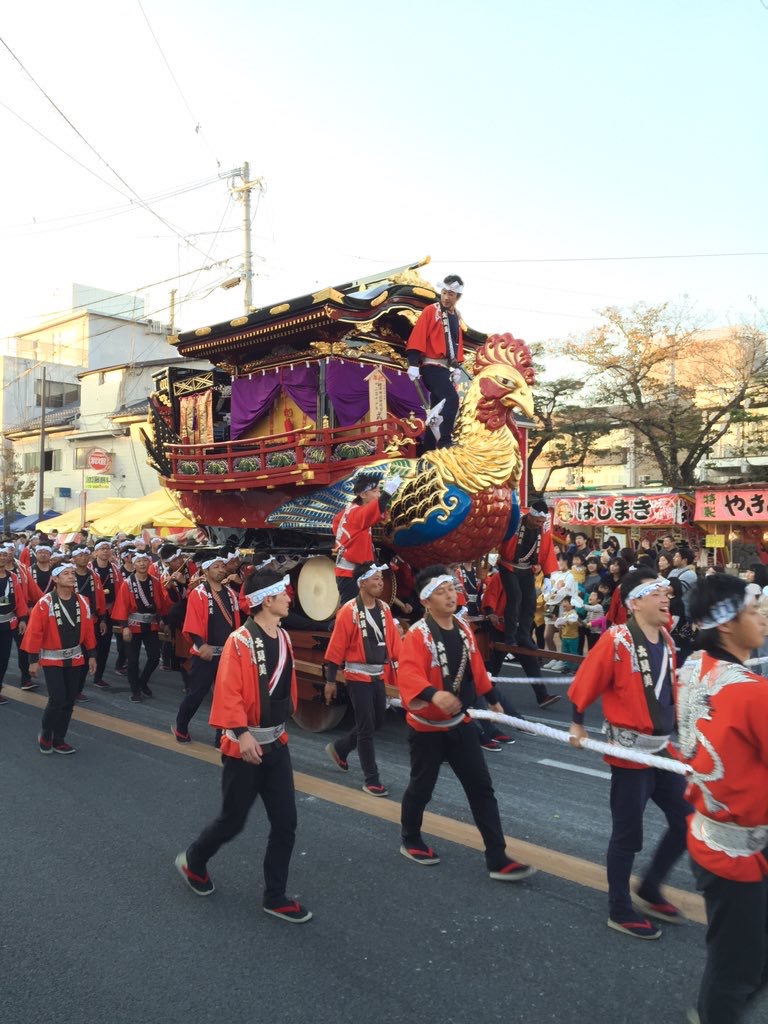
Saga · Karatsu
Karatsu Kunchi
唐津くんち
Usual season · dates not confirmed
Usually 2–4 November
Hikiyama floats shaped like sea bream, lions and other figures move through Karatsu. Daylight reveals their forms and decorations; evening lanterns create a different scene.
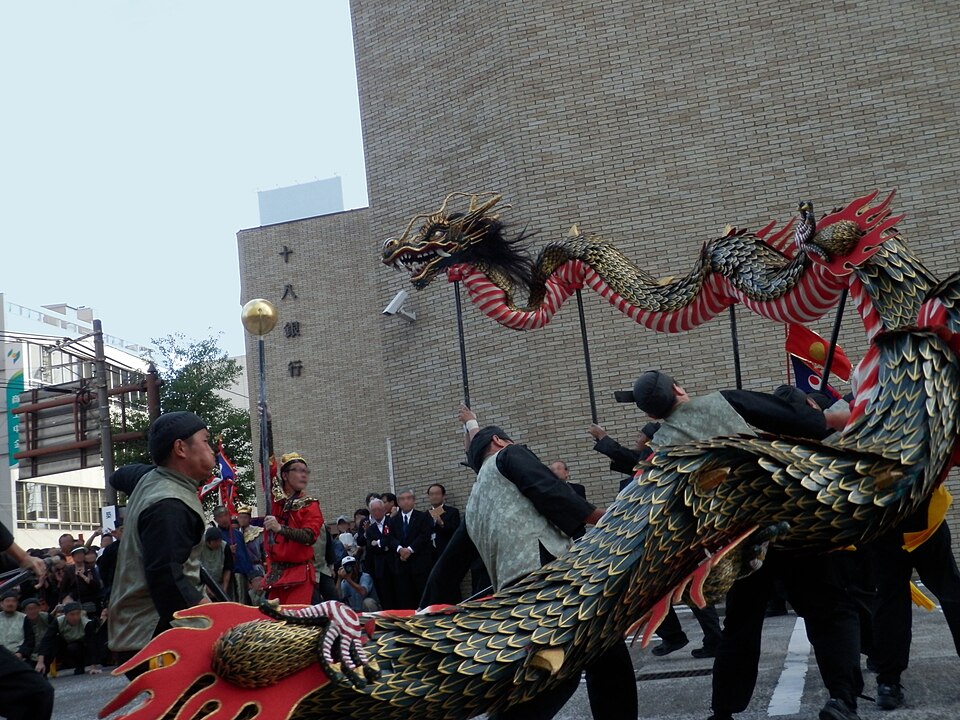
Nagasaki · Nagasaki
Nagasaki Kunchi
長崎くんち
Confirmed upcoming edition
7–9 October 2026
Neighbourhoods offer dances and float performances at Nagasaki’s autumn shrine festival. The participating neighbourhoods rotate, so not every familiar performance appears every year.
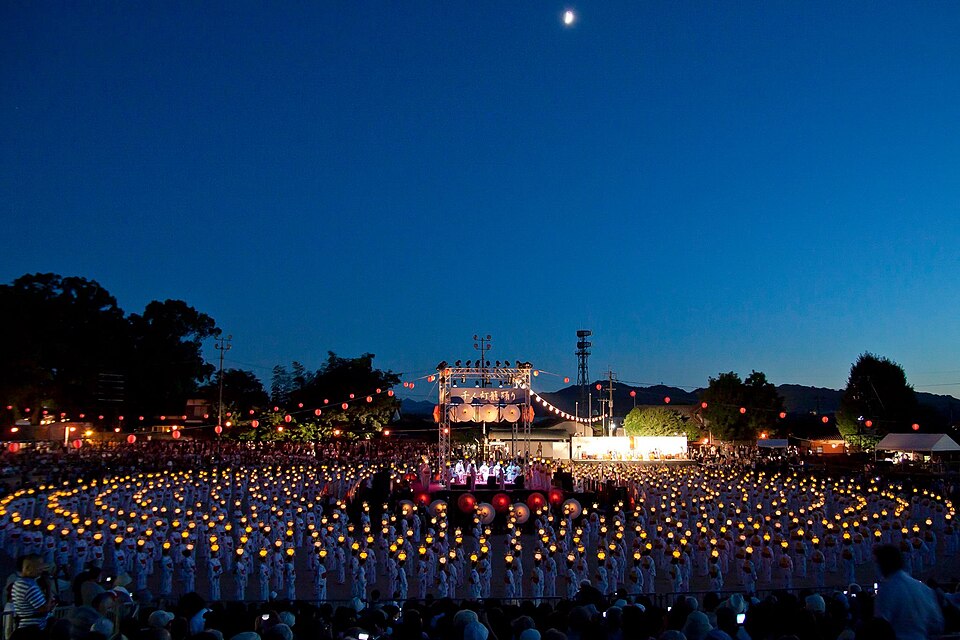
Kumamoto · Yamaga
Yamaga Lantern Festival
山鹿灯籠まつり
Usual season · dates not confirmed
Usually 15–16 August; major 2026 dance and fireworks programmes cancelled
The festival is known for dancers wearing golden paper lanterns and shrine lantern offerings. In 2026, the thousand-person lantern dance and fireworks were cancelled, with shrine rites among the activities retained.
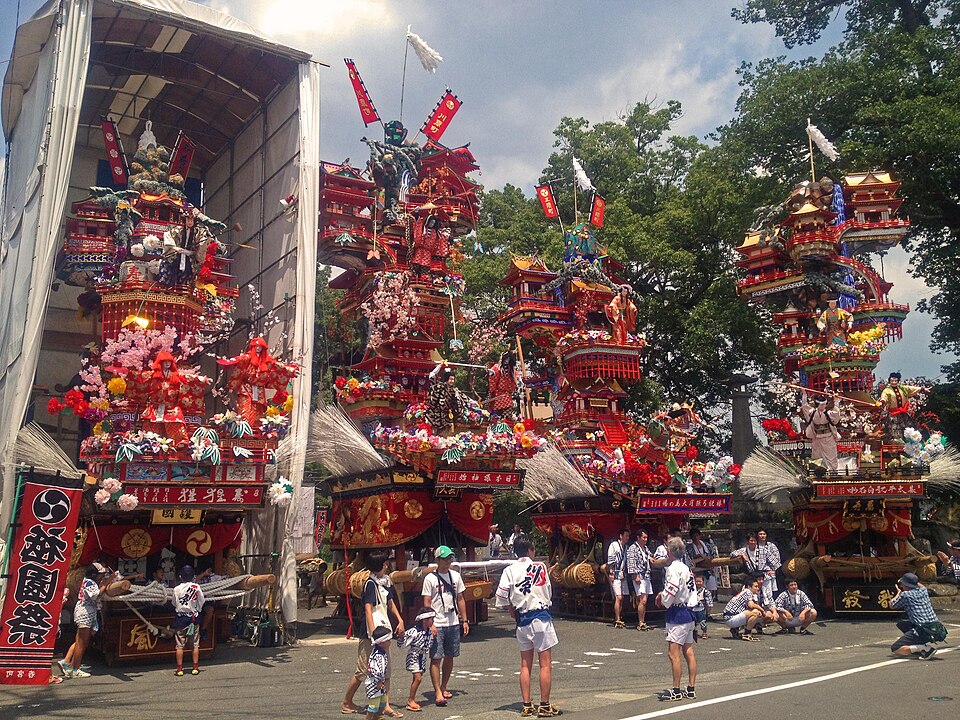
Oita · Hita
Hita Gion Festival
日田祇園祭
Usual season · dates not confirmed
Usually July; festival weekend announced annually
Tall yamaboko floats move through Hita’s old streets to Gion-bayashi music. Mameda and Kuma are separate float districts, so choose your route before arriving.
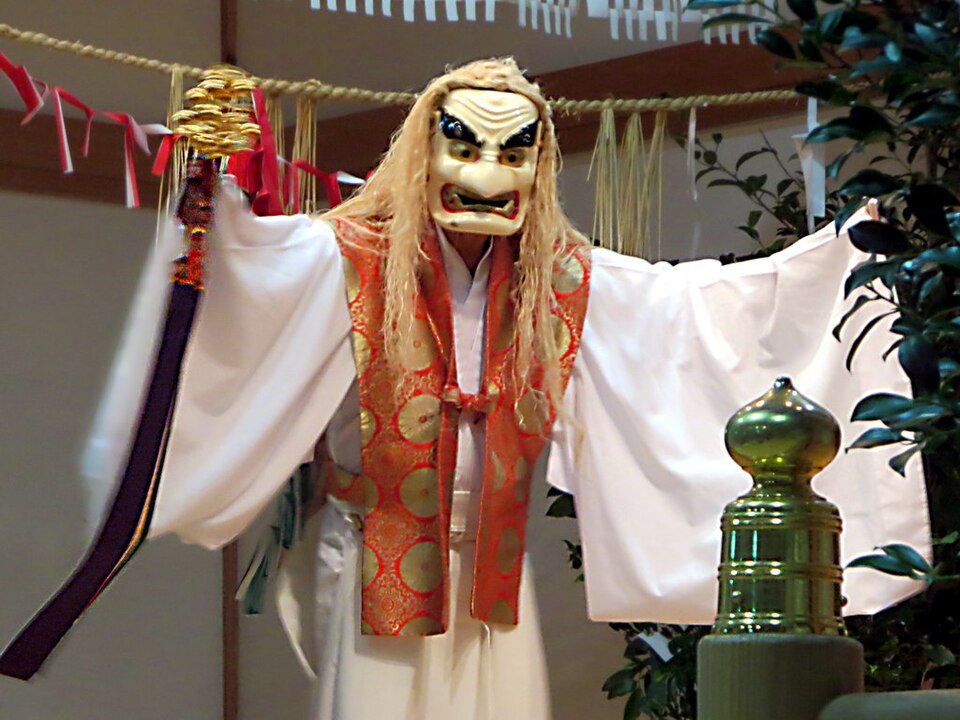
Miyazaki · Takachiho
Takachiho Yokagura
高千穂の夜神楽
Usual season · dates not confirmed
Usually November–February; village dates and venues vary
Village communities welcome their deities and offer kagura through the night. These village rites are distinct from the shorter visitor performance at Takachiho Shrine.
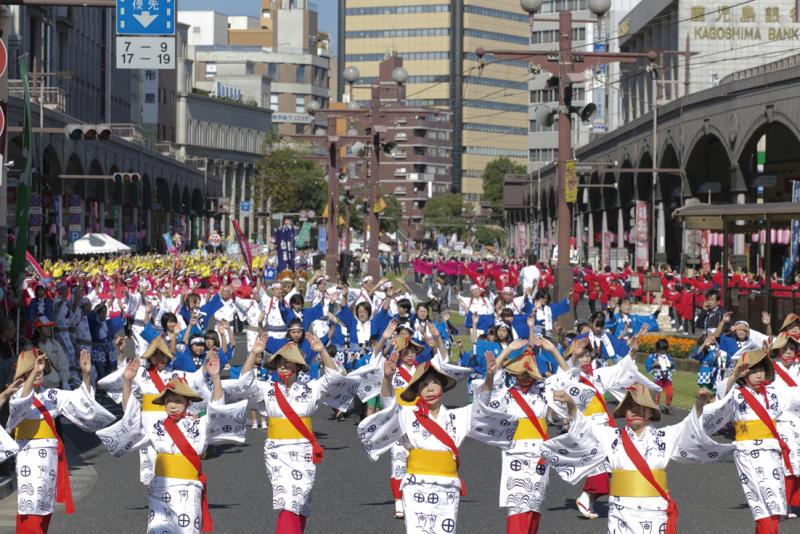
Kagoshima · Kagoshima
Ohara Festival
おはら祭
Usual season · dates not confirmed
Usually 2–3 November
Teams dance to regional music including Ohara-bushi along central Kagoshima streets. The procession offers a sequence of different costumes and group formations.
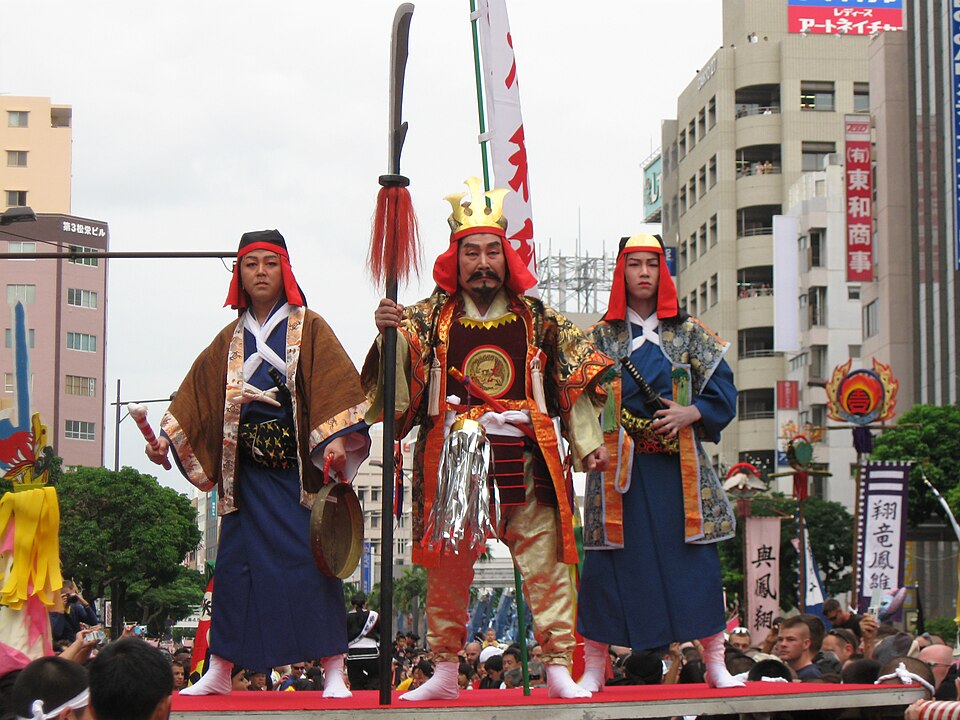
Okinawa · Naha
Naha Great Tug of War
那覇大綱挽
Usual season · dates not confirmed
Usually October; tug-of-war date announced annually
A huge rope is pulled by eastern and western teams, alongside hatagashira flag traditions. The flag parade and the main tug of war are not at the same street location.
Official event lists for all 47 prefectures
For smaller neighbourhood events and festivals outside this selection, open the official tourism list for your destination. Some regional pages are in Japanese.
Planning a festival visit from India
Start with the festival’s main programme day, then work back to your arrival airport and rail journey. A late arrival in Tokyo is a poor fit for a pre-dawn event in Fukuoka; a regional festival may need an onward train, bus or overnight stay. Compare a city-based event with a longer detour before adding both to the same day.
- Use Japan time. JST is 3 hours 30 minutes ahead of IST. An organiser’s 18:00 start means 18:00 in Japan, not 18:00 in India.
- Choose the programme, then the ticket. A street parade, reserved seat and stage show can have separate access rules. Use the current organiser link in each guide for prices, release dates and booking conditions.
- Plan the return. Fireworks and evening dances can finish after a convenient train or rural bus. Check the operator’s current timetable before committing to a viewing point.
- Keep meals flexible. Festival stalls are not a guaranteed source of vegetarian or other dietary meals. Ask about ingredients and stock; JNTO’s vegetarian and vegan guide explains useful terms.
Flight delays and cancellations (English) · Japan transport guide · Food and restaurant areas
Quick answers about Japanese festivals
How can I find Japan festivals for my travel dates?
Choose a month, prefecture or city, then open a festival guide for its dates, venue and public transport. The directory covers 48 selected festivals and events across all 47 prefectures; it is not a complete list of every Japanese event.
Are all dates in this Japan festival calendar confirmed?
No. Confirmed editions, past editions and usual annual seasons are labelled separately. A past 2026 date is not a confirmed 2027 date. Matsue Suitoro also has specific event evenings rather than a continuous daily programme.
Are festival times shown in Indian Standard Time?
No. Festival times and dates use Japan Standard Time, UTC+9. Japan is 3 hours 30 minutes ahead of Indian Standard Time, UTC+5:30. Use the local Japan date when booking transport or viewing seats.
Do I need tickets for Japanese festivals?
There is no single rule. Public street viewing, reserved seats, shrine performances and fireworks areas can have different access conditions. Open the organiser’s current ticket page for the specific edition and venue before booking.
Can I rely on festival stalls for vegetarian food?
Do not assume that a stall has vegetarian meals or that a vegetable dish uses vegetarian stock. Ask about fish stock, meat and other ingredients, and plan a separate meal if your requirements are strict. JNTO’s vegetarian guide explains useful questions and terms.
Sources and editorial approach
Each festival guide links to organisers, shrines, city authorities or official tourism organisations. Travel suggestions are JapanLiveNow’s editorial advice. Archive photographs show a past event or a labelled venue; they do not confirm the current programme.
JNTO: Japanese festivals and events · About our editorial standards · Report a correction