Japan festivals: find an event for your travel month
Snow sculptures in Sapporo, Kyoto’s float processions or summer street dancing—which would you like to see? Select your travel month and city to compare event dates, viewing locations and public transportation before arranging your Japan itinerary.
48 selected festivals and events across all 47 prefectures—not every festival in Japan. Confirmed editions, past dates and usual annual seasons are labeled separately. All event dates and times are local to Japan (JST), not your U.S. time zone.
Japanese festival calendar by month and city
Map links mark one reference location, not a complete parade route or every venue entrance. Follow the organizer’s route and admission instructions.
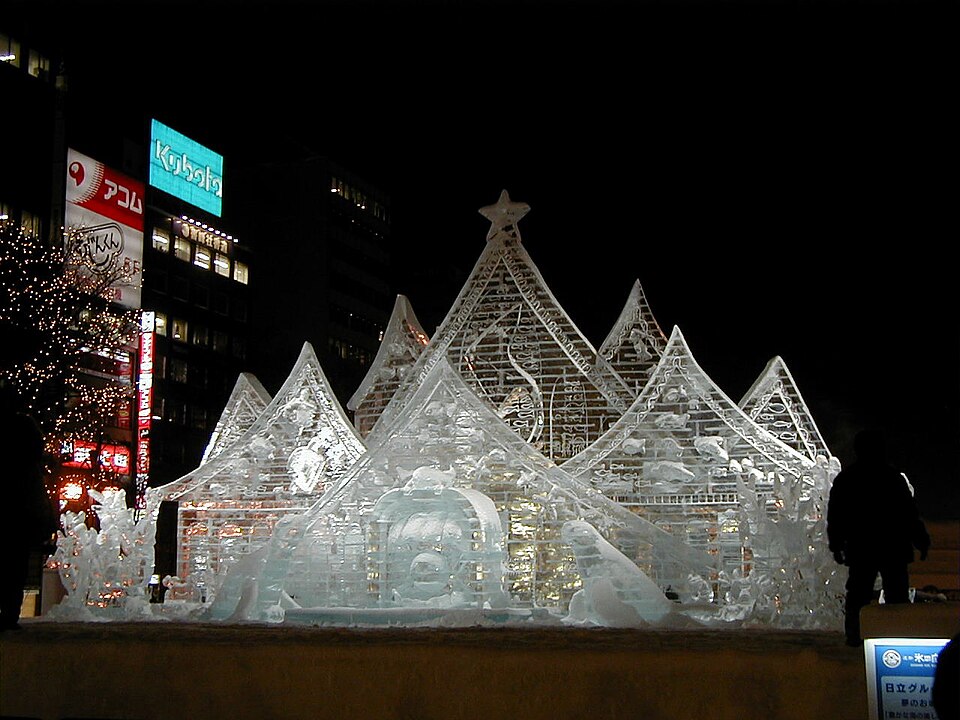
Large snow sculptures fill Odori Park, while Susukino displays ice sculptures. Choose the downtown sites for a sculpture walk; Tsudome is a separate trip for snow activities.
Usual annual season · exact next dates not confirmed
Usually August 2–7; the next detailed program is subject to announcement
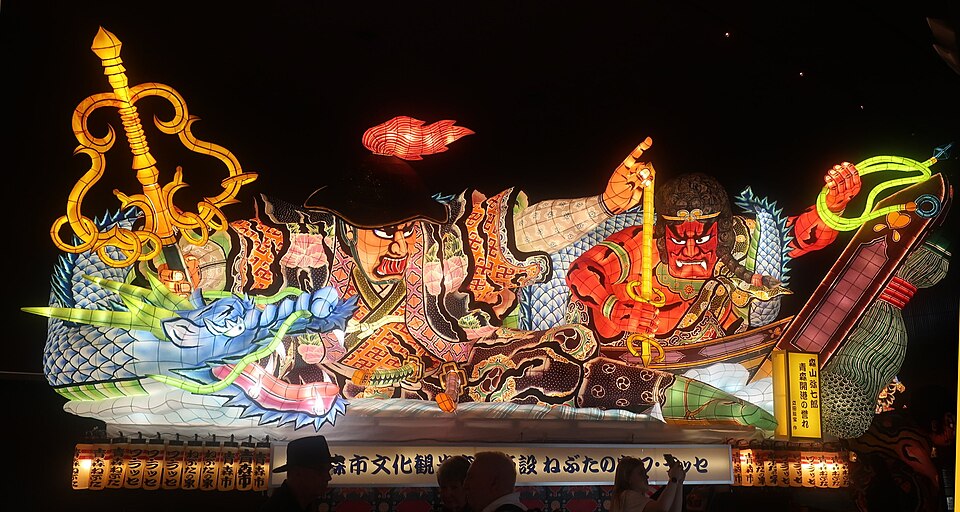
Illuminated floats depicting warriors and legendary figures move through Aomori with drums, flutes and haneto dancers. The street parade and the final waterfront events take place in different viewing areas.
Usual annual season · exact next dates not confirmed
Usually August 3–6
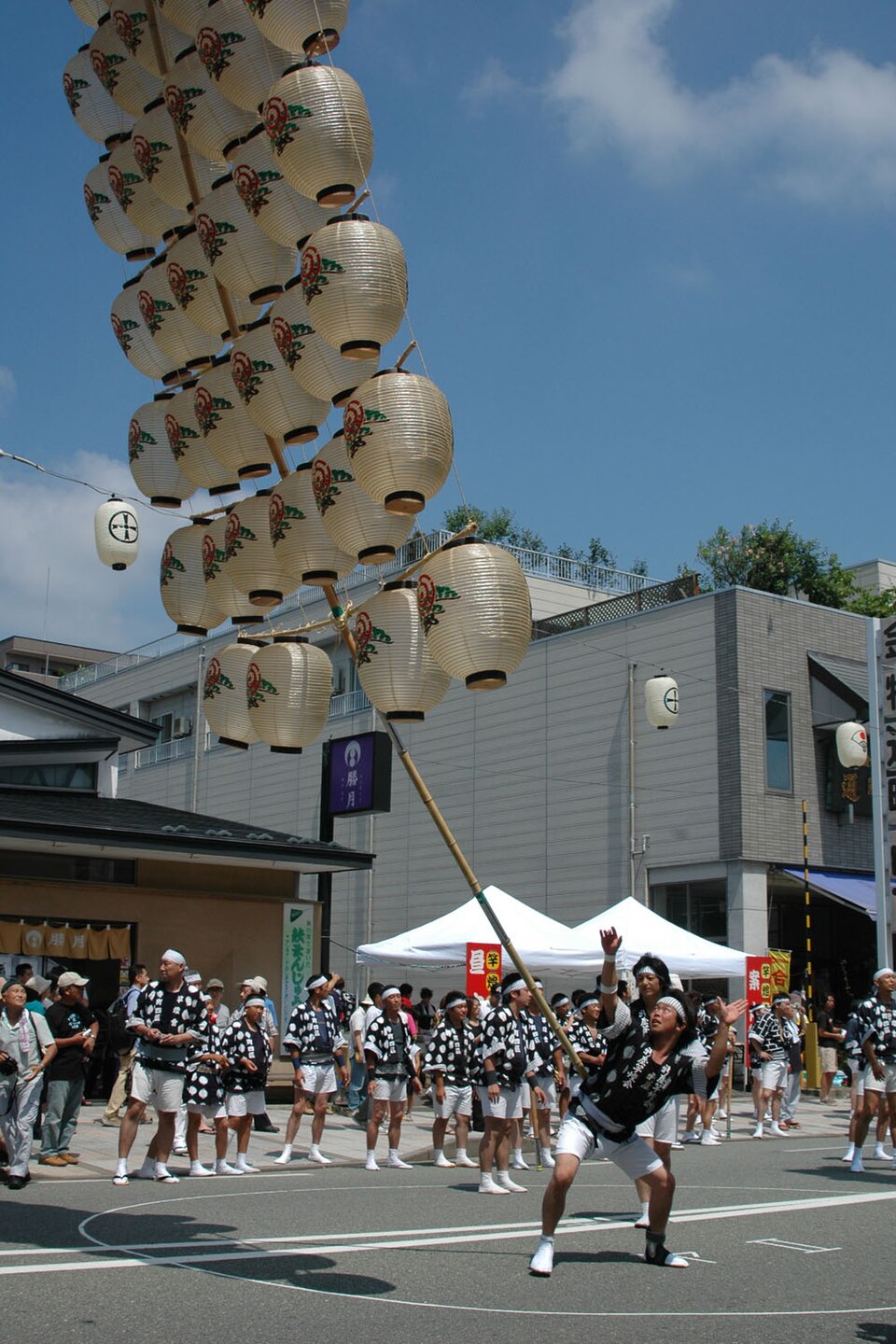
Performers balance bamboo poles loaded with lanterns on their foreheads, shoulders and hips. Evening displays show the lanterns at their best; daytime contests make the balancing techniques easier to follow.
Usual annual season · exact next dates not confirmed
Usually August 6–8
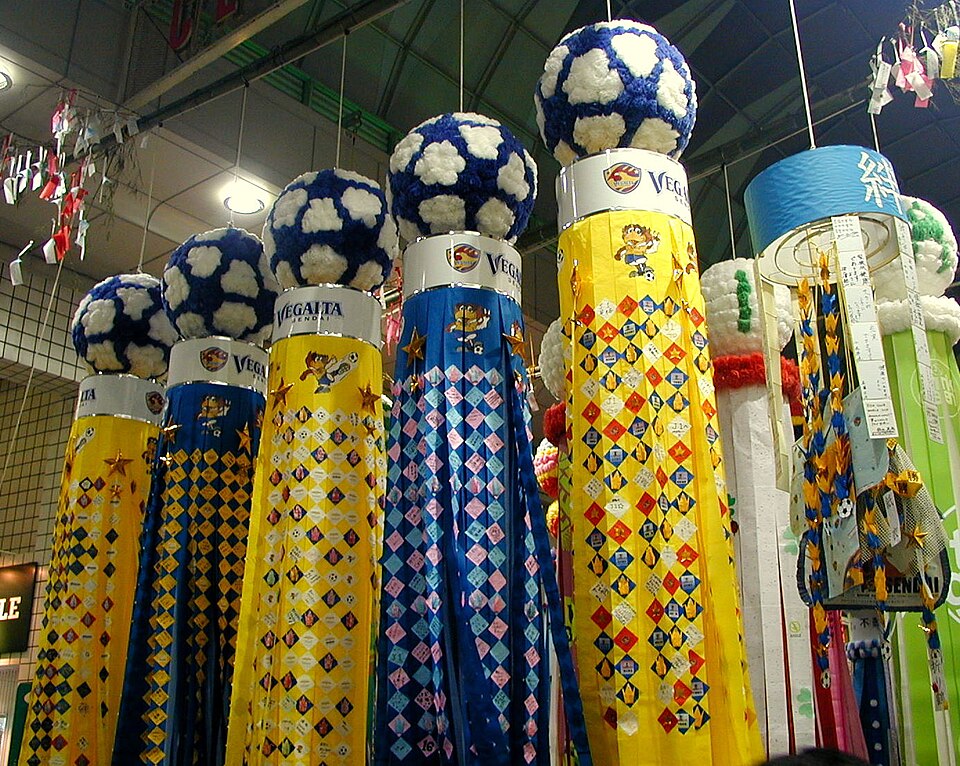
Colorful paper streamers hang over Sendai’s shopping arcades. This is a walk through decorated streets, not a parade that passes a single viewing spot.
Usual annual season · exact next dates not confirmed
Usually July 1–31; major float processions on July 17 and 24
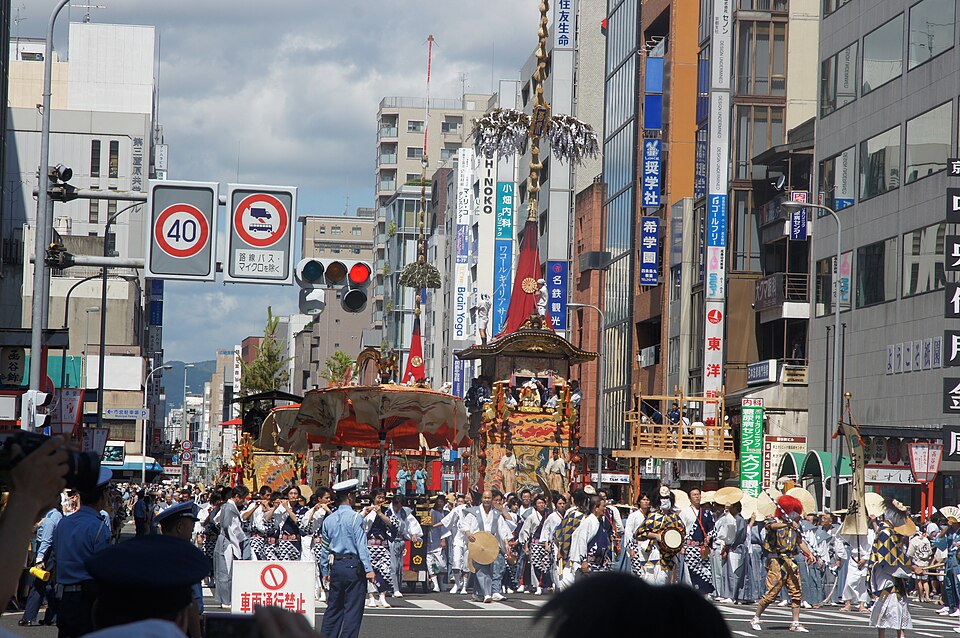
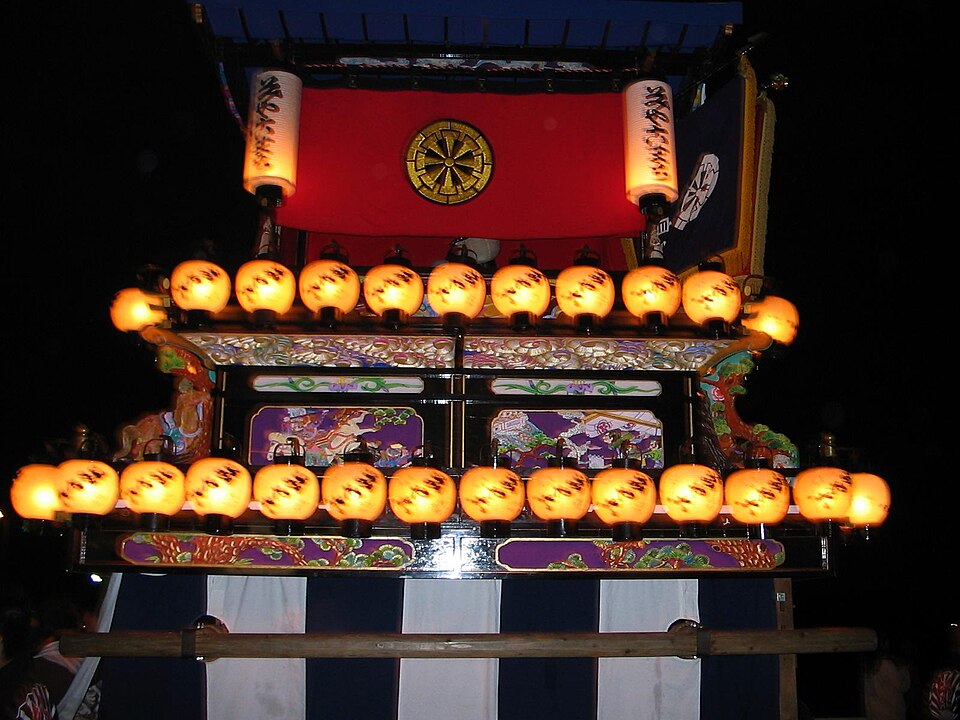
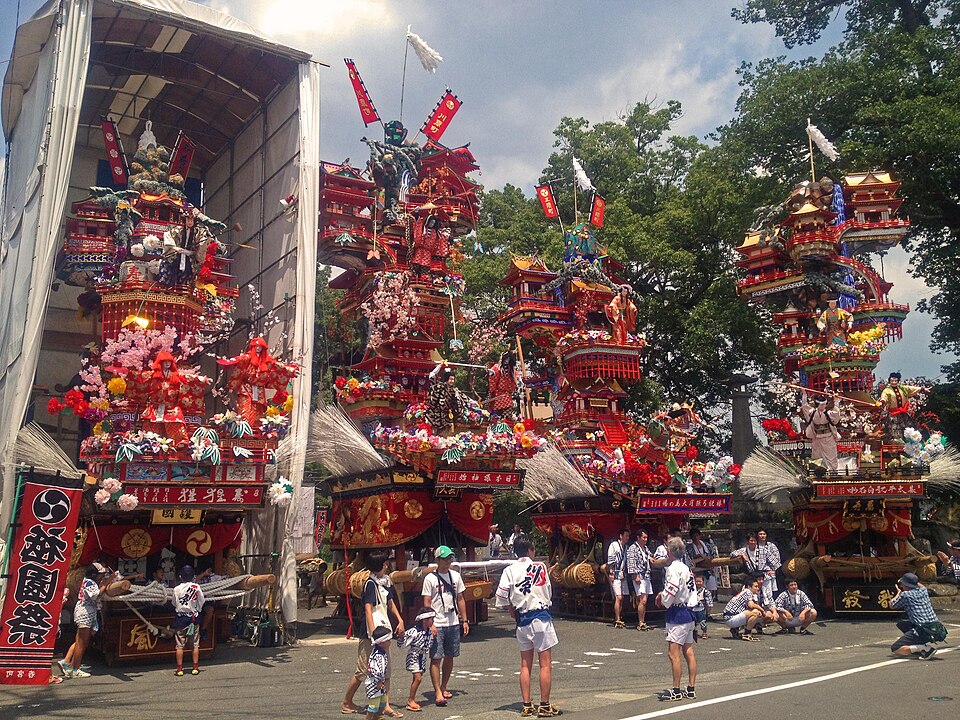
Kyoto’s decorated yamahoko floats are displayed in their neighborhoods before the daytime processions. Yoiyama evenings offer close-up decorations and festival music; the processions show the floats moving through the city.
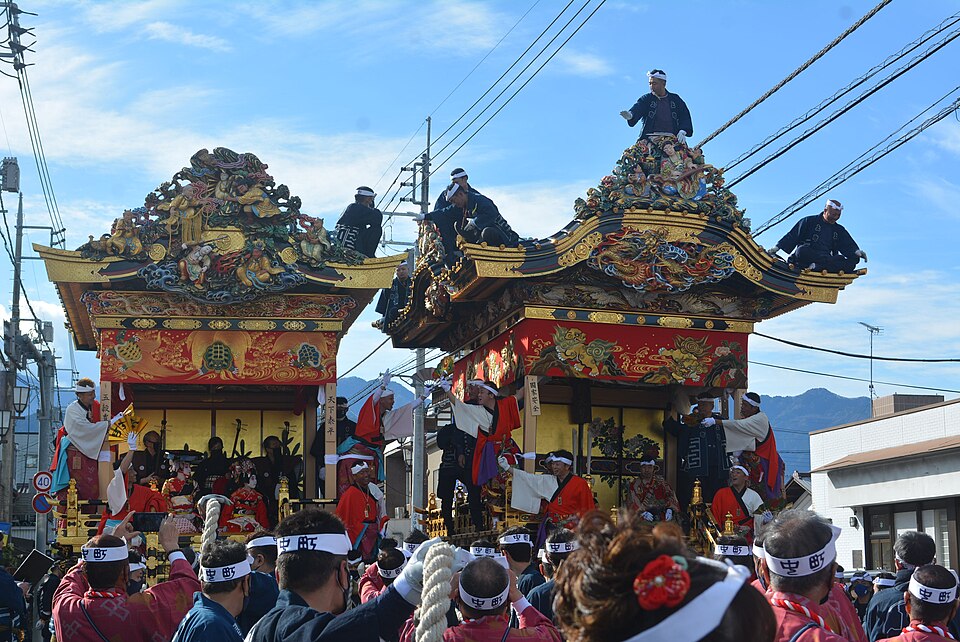
Ornate yatai floats and a mechanical puppet performance bring Takayama’s old streets to life. The autumn festival centers on Sakurayama Hachimangu, not the spring festival’s shrine and float district.
August 12–15, 2026 downtown performances; this edition has ended
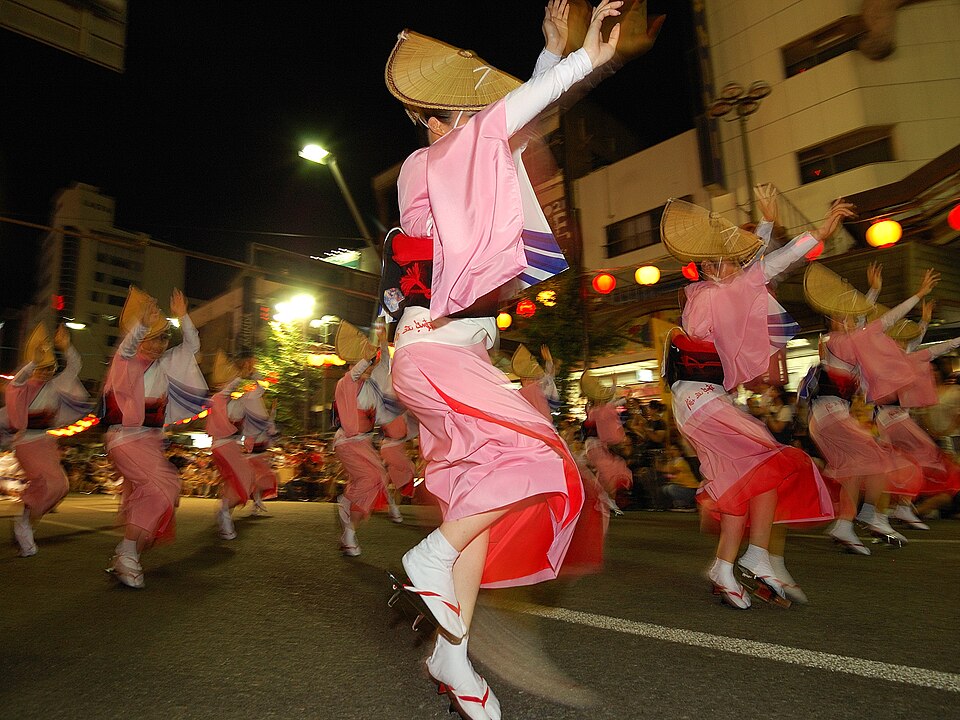
Dance groups called ren move to drums, flutes and shamisen. Reserved-seat performances and street dancing offer different ways to watch; the August 2026 dates are a past edition, not next year’s booking dates.
Usual annual season · exact next dates not confirmed
Usually July 1–15; Oiyama takes place early on July 15
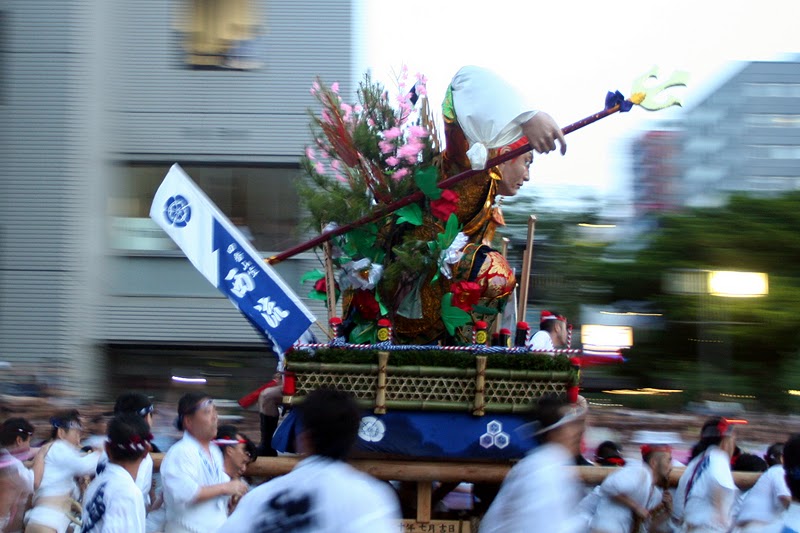
Decorative yamakasa floats stand around Hakata, while teams race with carrying floats later in the festival. Viewing the displays by day is a different visit from attending the early-morning Oiyama.
October 22, 2026; postponement is possible in rain
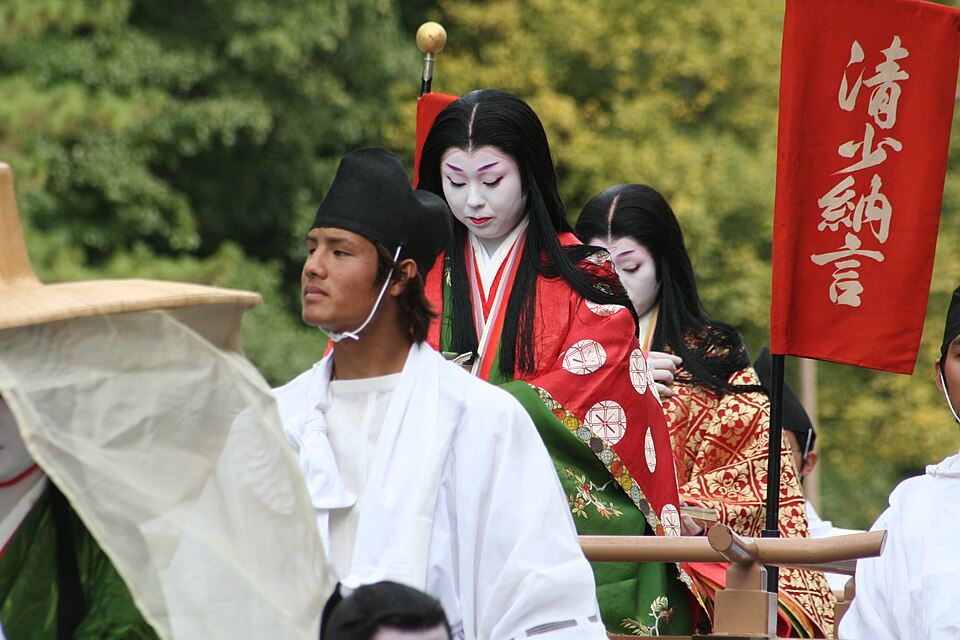
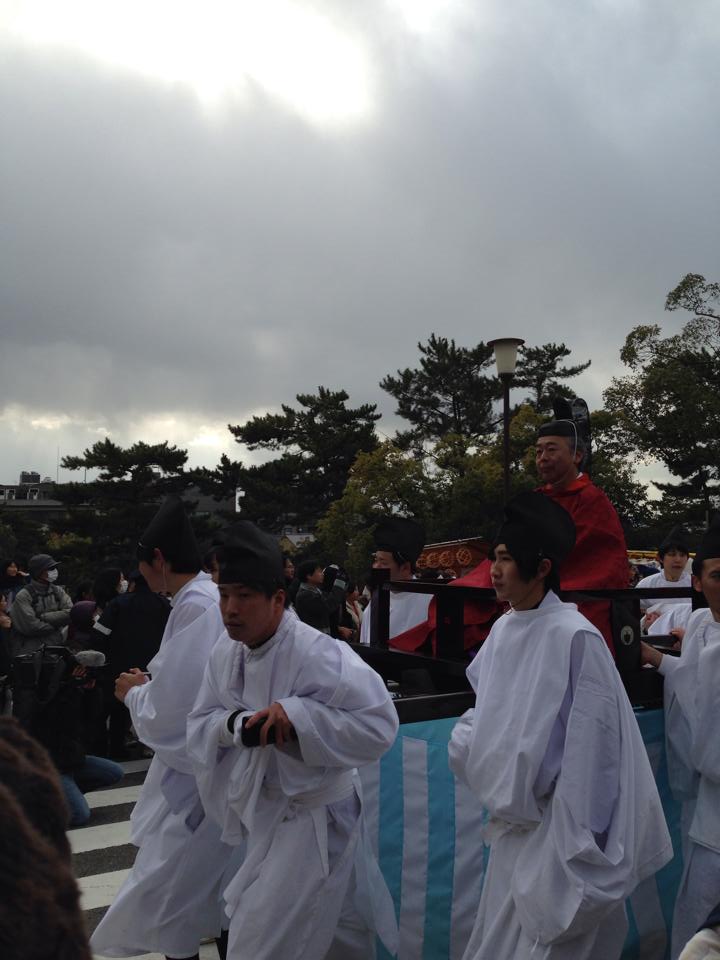
A procession recreates Kyoto’s historical eras through costumes and equipment, moving from more recent periods back into the past. Choose a viewing section rather than expecting a stationary performance.
Usual annual season · exact next dates not confirmed
Usually December 2–3
Decorated floats and umbrella-shaped kasaboko move through Chichibu. December 3 brings the major evening events, but float viewing and fireworks require choosing the right locations.
Usual annual season · exact next dates not confirmed
Usually August 1–4
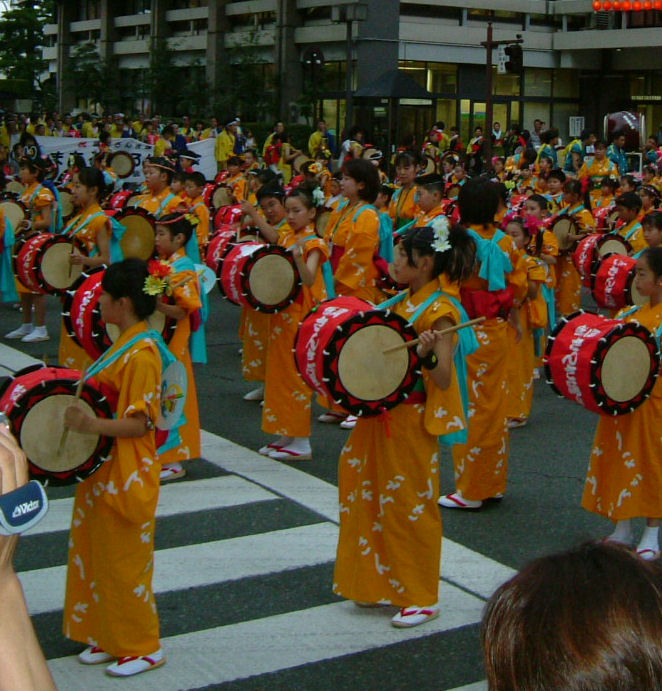
Dancers play drums as they move through central Morioka. Watch the rhythm of the drumming together with their steps, rather than treating this as a float parade.
Usual annual season · exact next dates not confirmed
Usually August 5–7
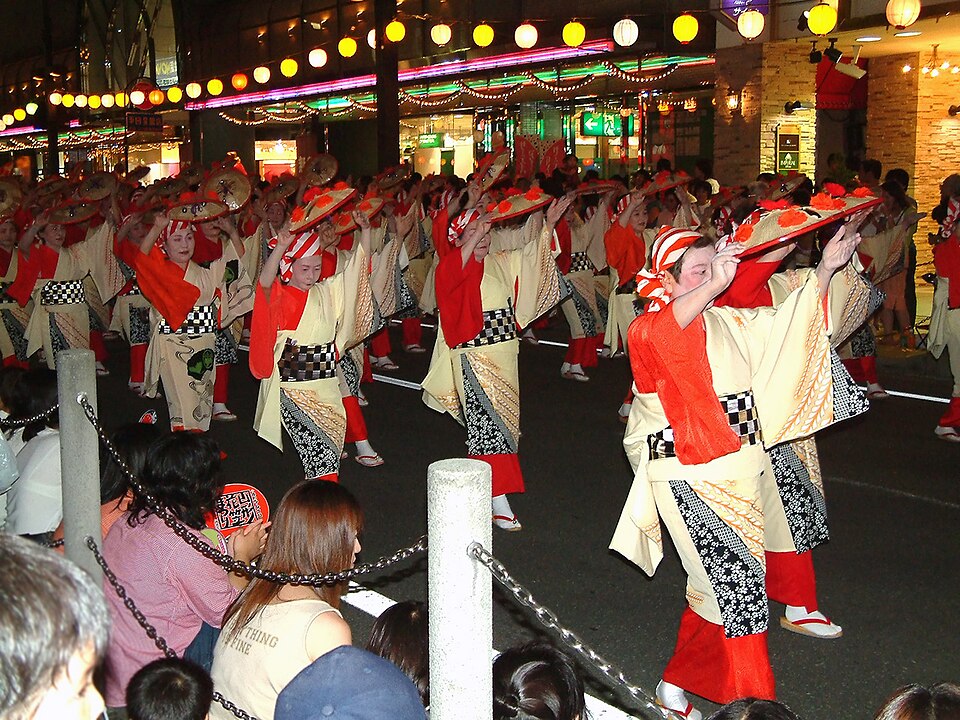
Teams dance through Yamagata carrying hats decorated with safflowers. Some rotate the hats while others emphasize synchronized steps, so the choreography changes as groups pass.
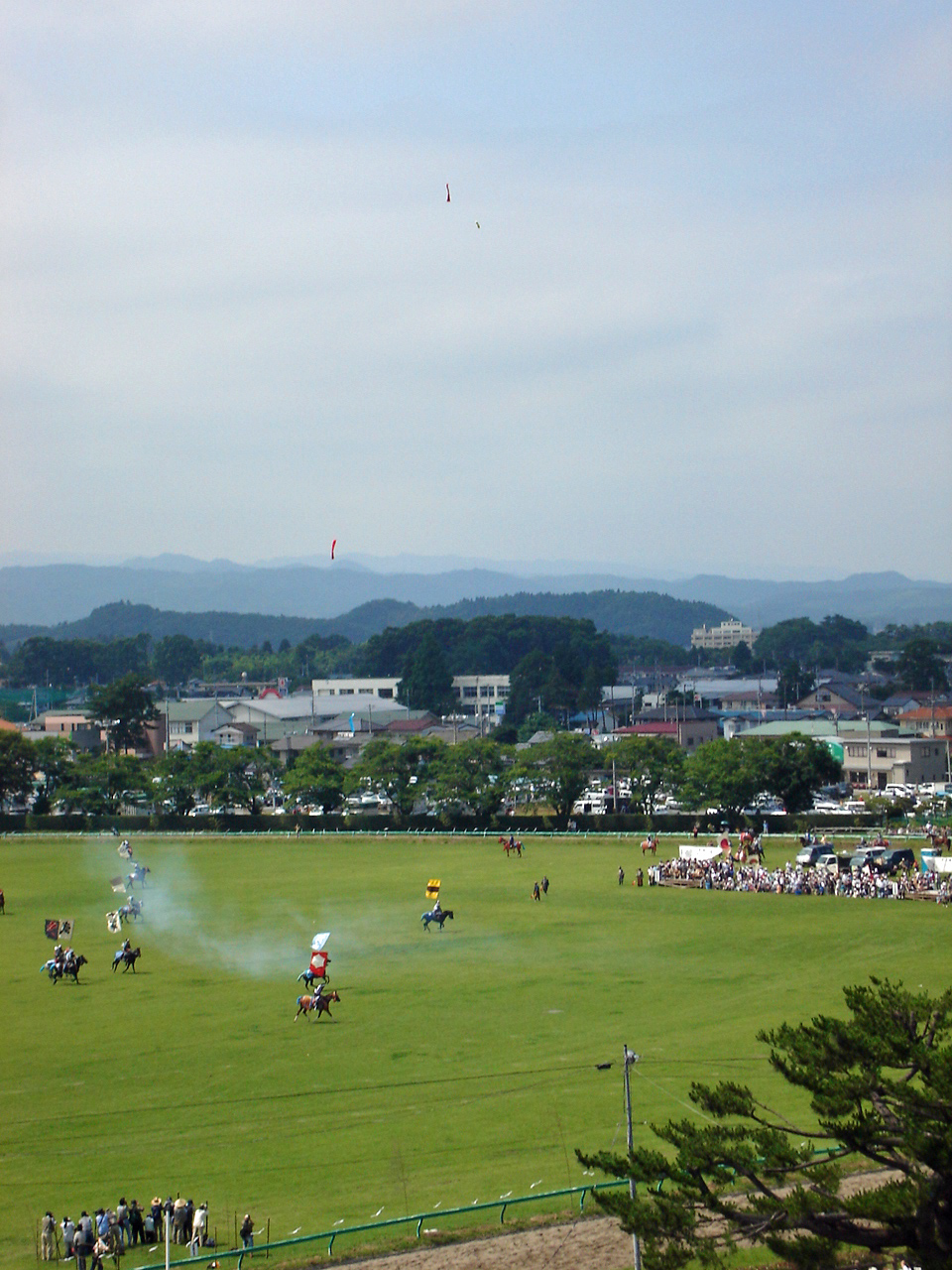
Armored riders take part in processions, horse races and a sacred-banner contest. These are separate parts of the program, not one continuous street parade.
Usual annual season · exact next dates not confirmed
Usually February–March; flowering varies independently of the event dates
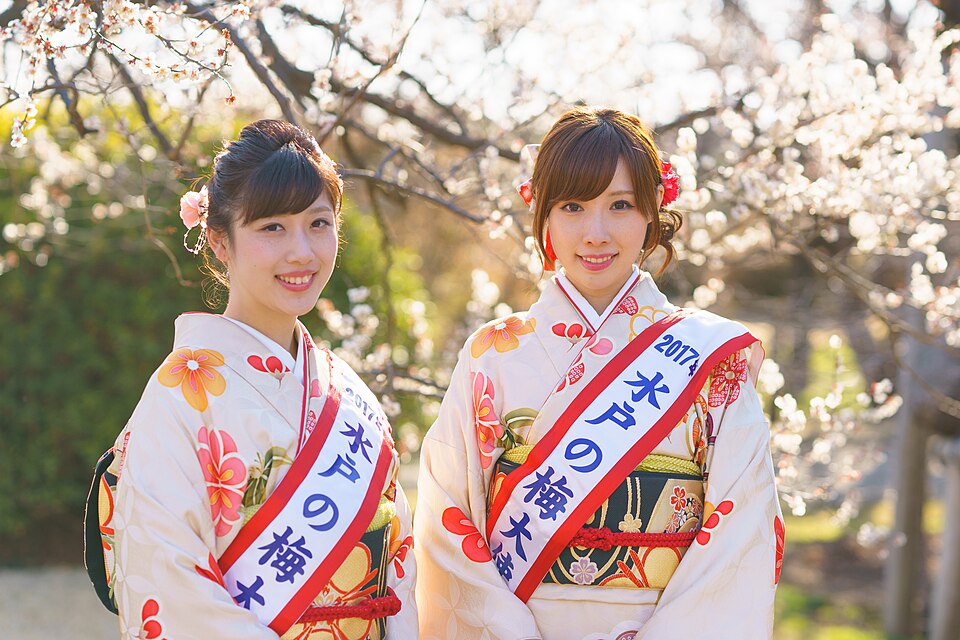
Plum blossoms at Kairakuen and the historic Kodokan give Mito’s festival two different settings. Varieties flower at different times, so an event date alone cannot tell you whether the blossoms are at their peak.
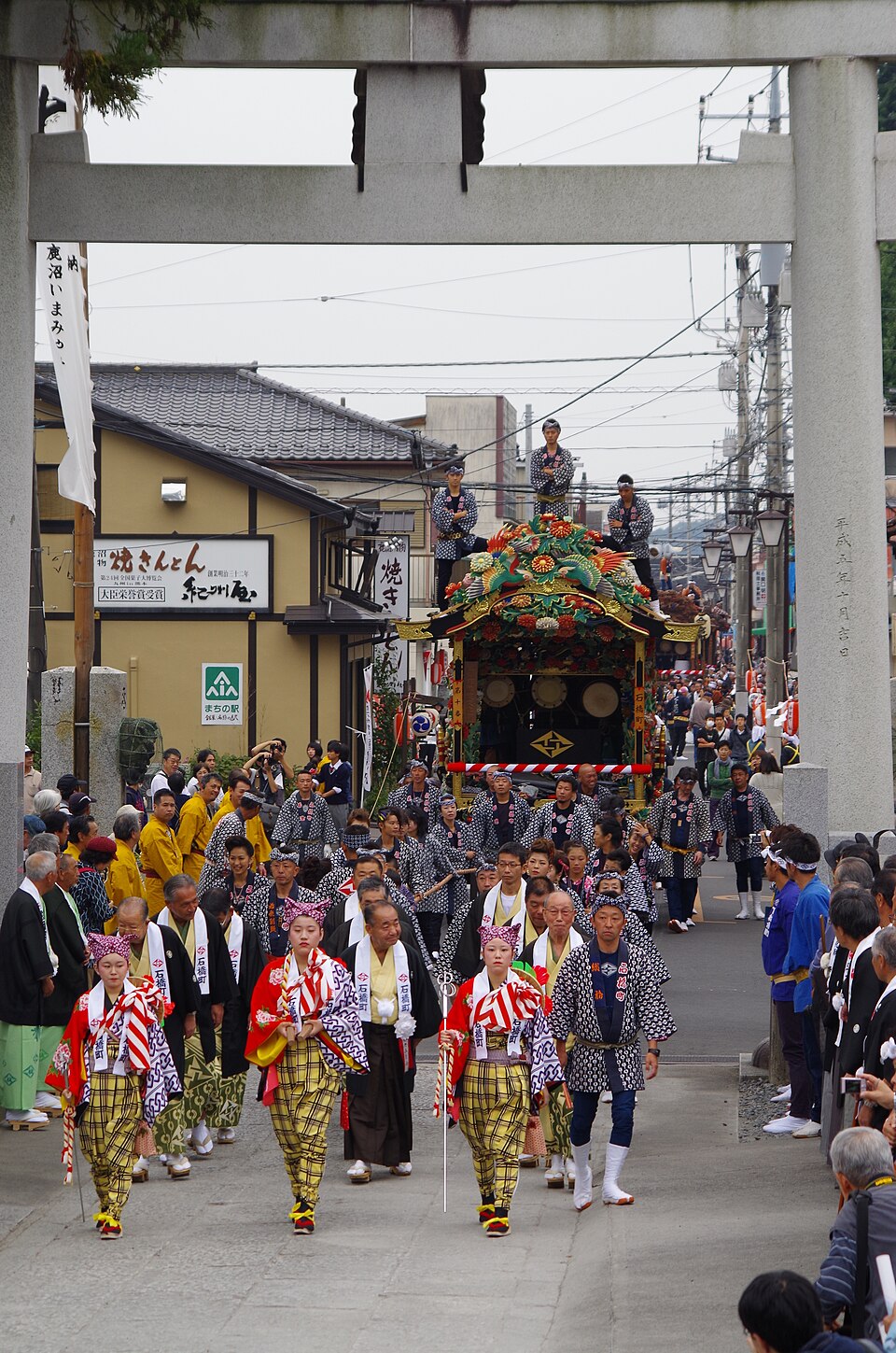
Carved wooden floats pass through Kanuma with festival music. The carvings reward a close look, while the procession shows how the floats move through town.
Usual annual season · exact next dates not confirmed
Usually August; exact dates are announced for each edition
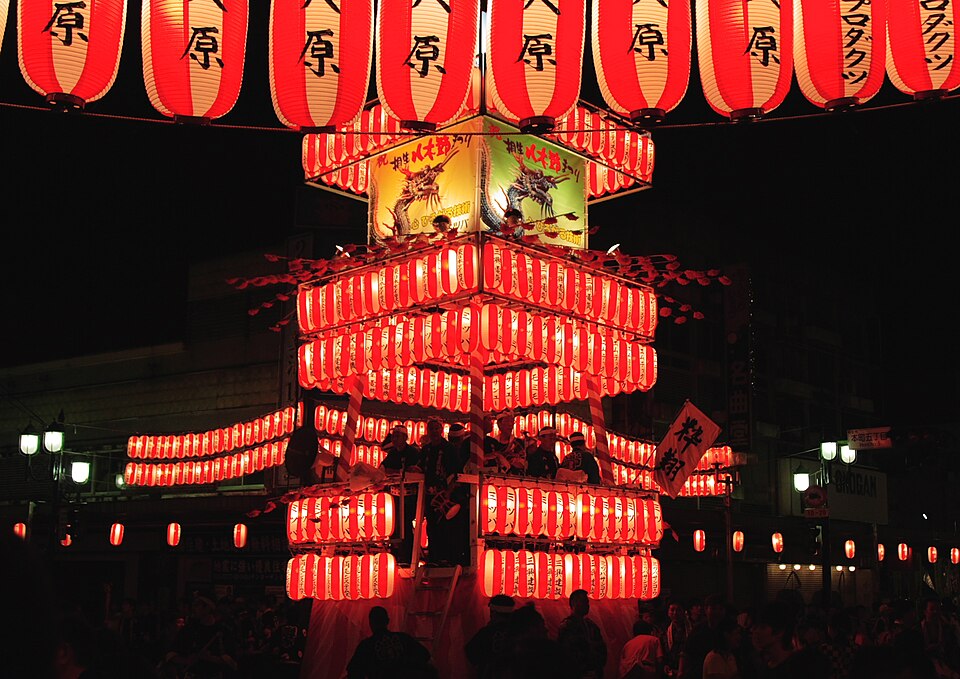
Street dancing to Yagibushi music shares the program with Gion rituals and other dance events. Textile-related activities may also be included, reflecting Kiryu’s local culture.
October 9–11, 2026, 10:00 a.m.–10:00 p.m.; the summer festival is separate
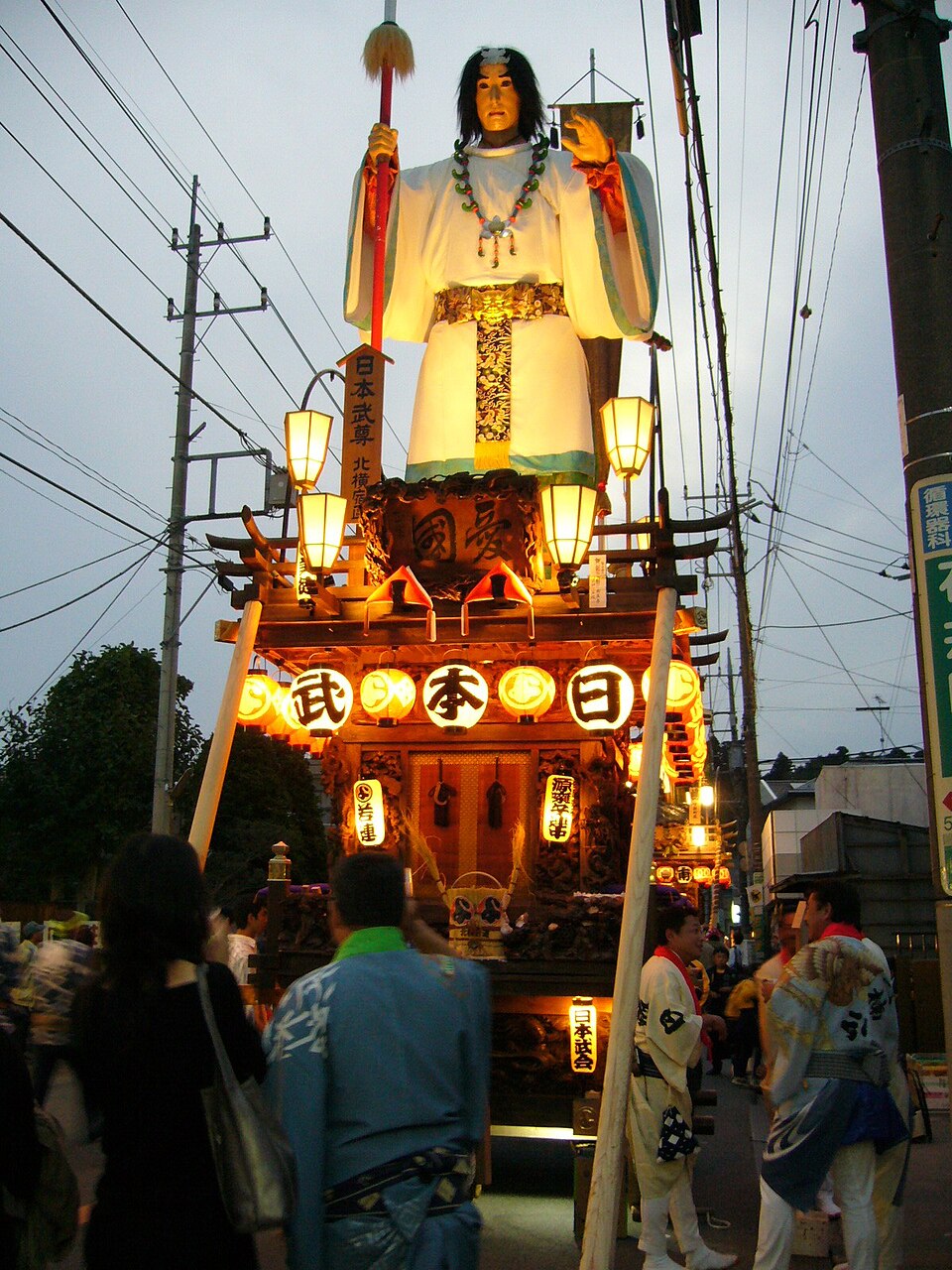
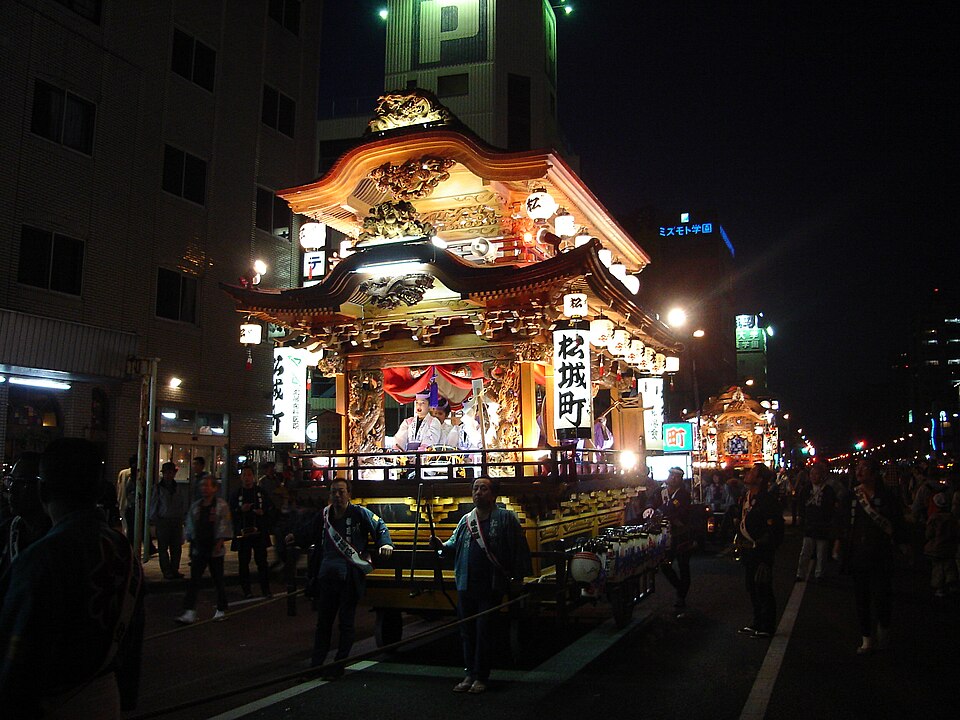
Floats topped with large figures move through Sawara to traditional festival music. The autumn celebration uses the Suwa Shrine side of town; summer’s Yasaka Shrine area lies across the river.
Usual annual season · exact next dates not confirmed
Usually Friday–Sunday around the third Saturday in May
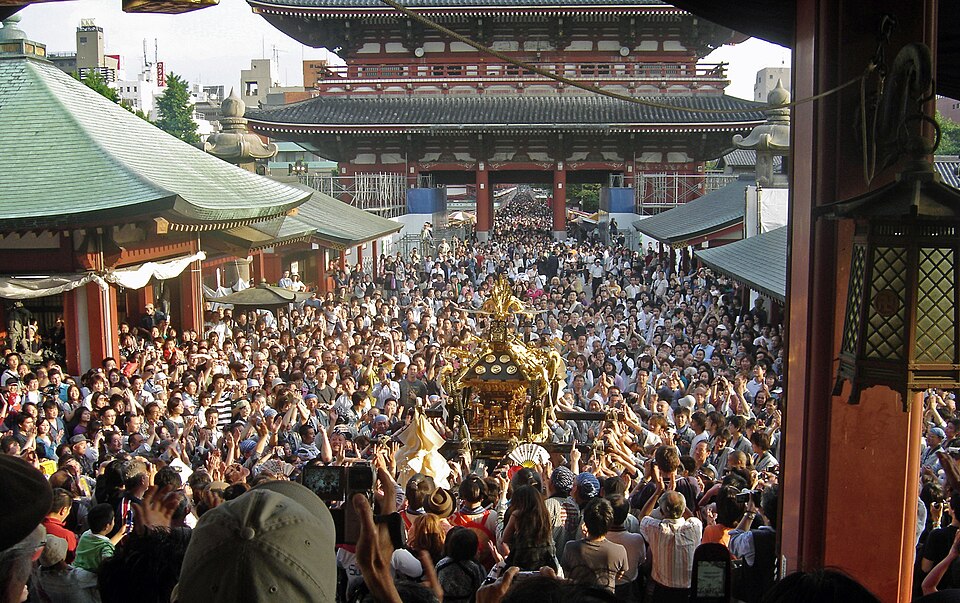
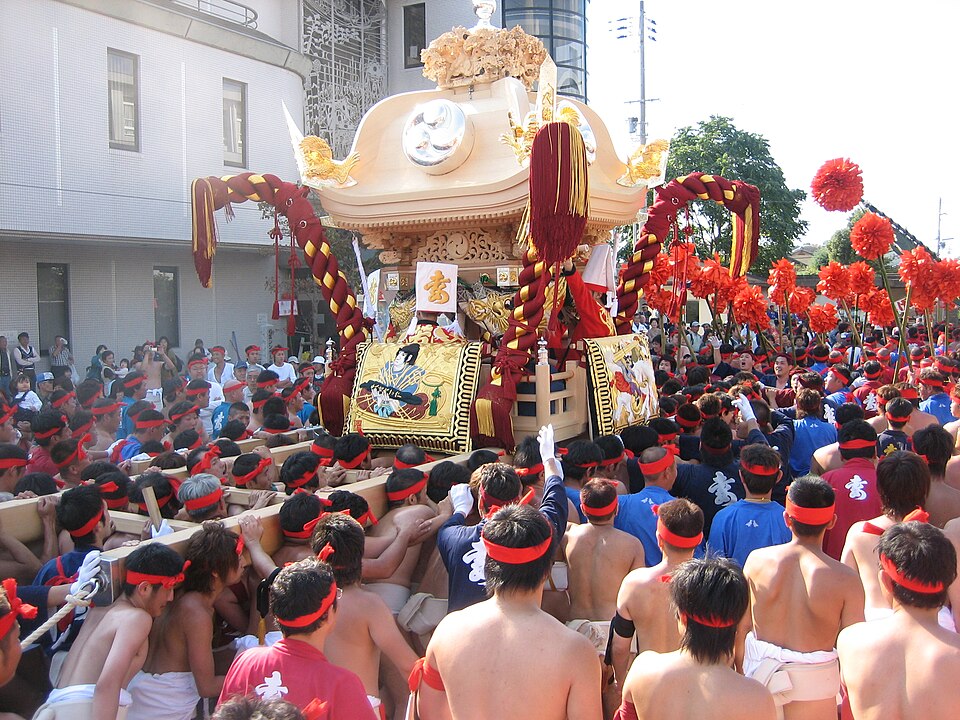
Neighborhood portable shrines and Asakusa Shrine’s mikoshi move through the streets. This is not a normal quiet temple walk: procession routes affect where you can stand and move.
June 14–21, 2026; moved to June from 2026; this edition has ended
Large portable shrines move through Kawasaki, while drumming and kagura performances take place at Inage Shrine. Older references to a different season should not be used for the new June schedule.
Usual annual season · exact next dates not confirmed
Usually August 2–3; seating rules are announced for each edition
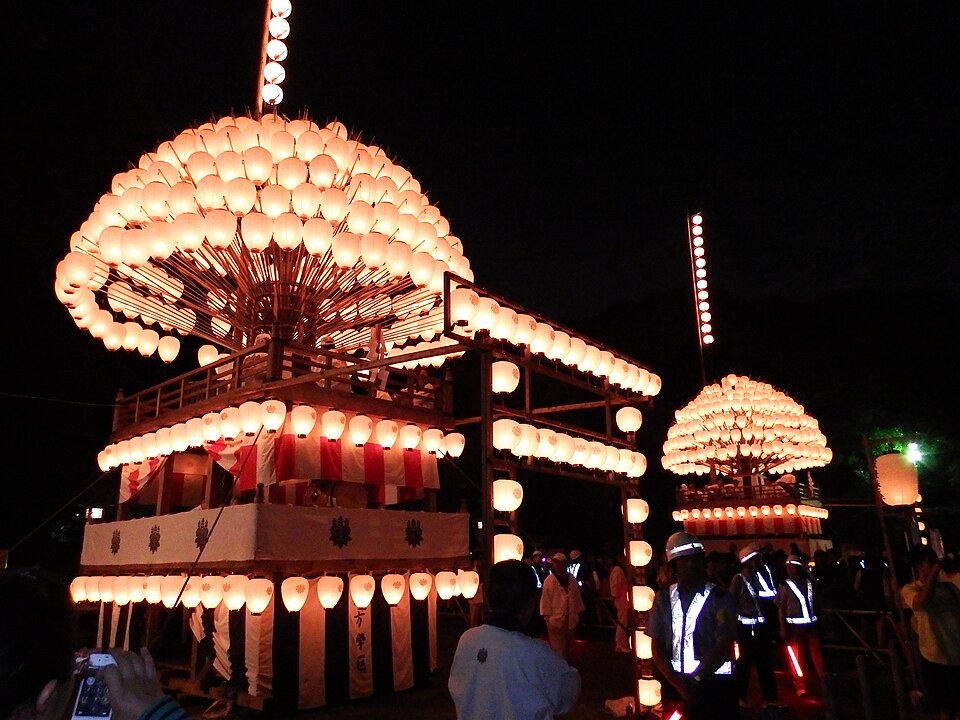
Large-scale fireworks stretch across the Shinano River. Programs commemorate wartime loss and recovery, including recovery-themed displays, so the festival has a purpose beyond the spectacle.
Usual annual season · exact next dates not confirmed
Usually September 1–3
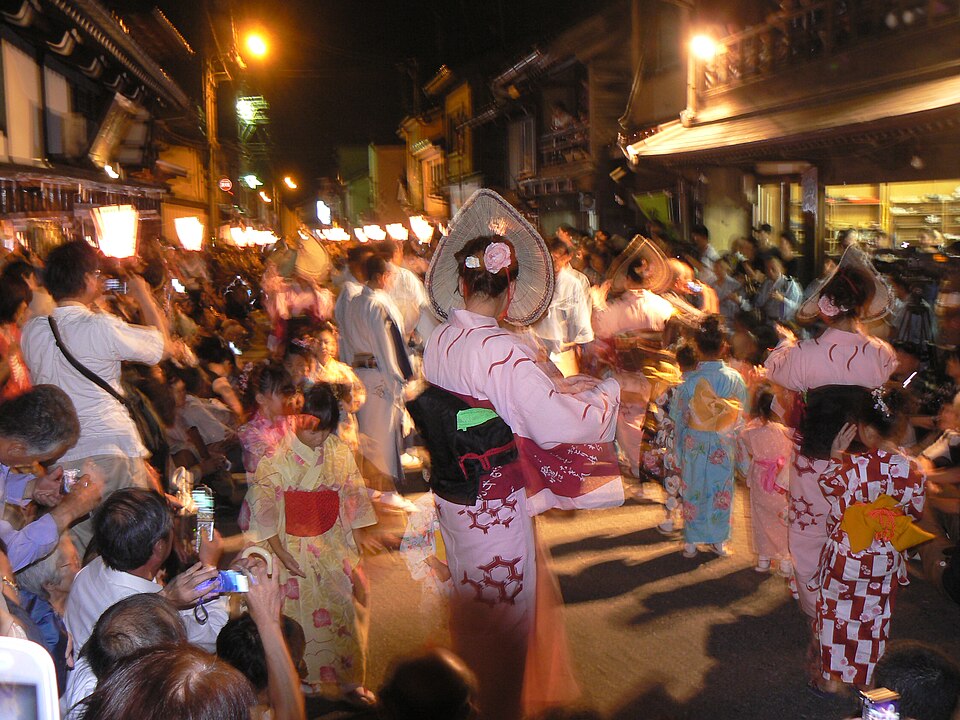
Hat-wearing dancers move through Yatsuo to shamisen, kokyu and song. Its neighborhood performances reward listening and watching in one place, rather than searching for a large central stage.
Usual annual season · exact next dates not confirmed
Usually three days around the first Saturday in June
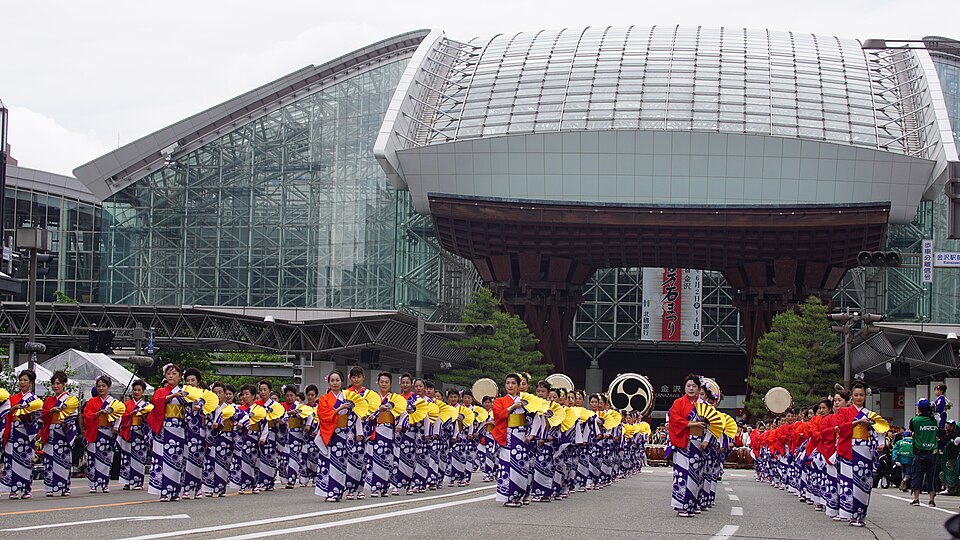
Costumed groups recreate Kanazawa’s history as they move from the station toward the castle. Tea gatherings and traditional performances are separate parts of the festival.
Usual annual season · exact next dates not confirmed
Usually May 19–21
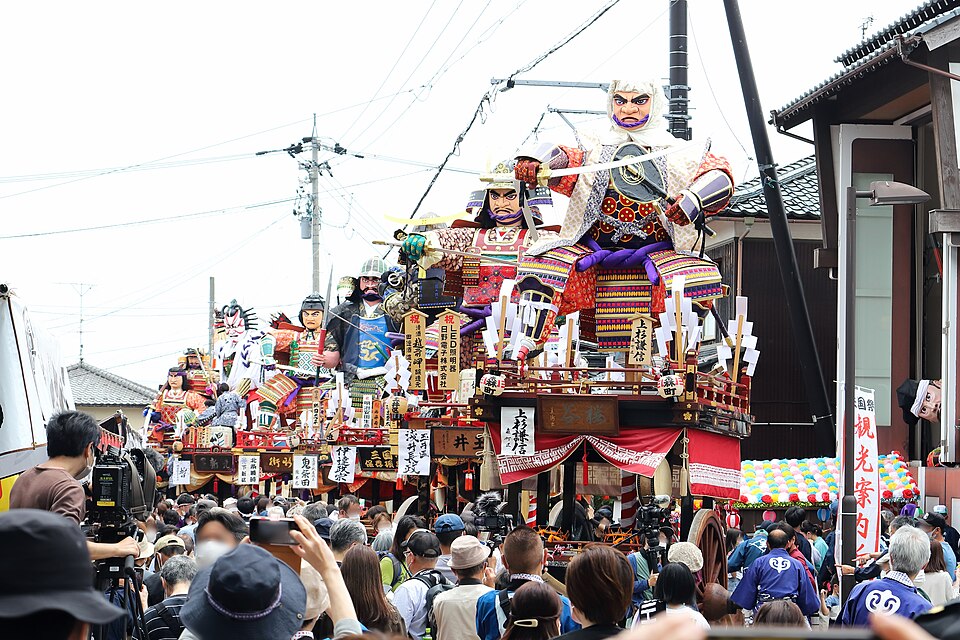
Floats carrying large warrior figures move through the old port town. Gathering at the shrine and moving through narrow streets are different viewing experiences.
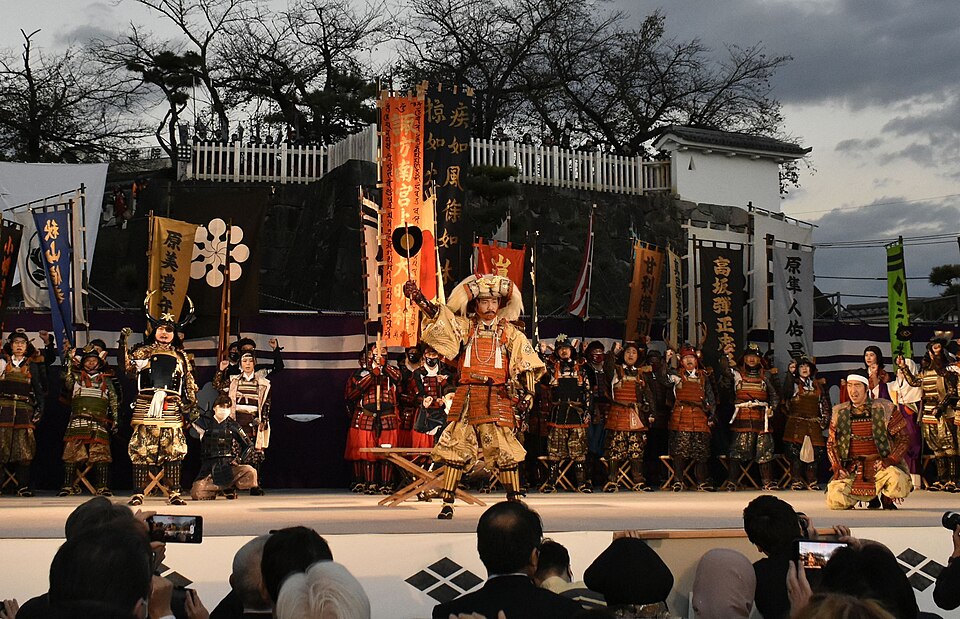
An armored procession recreates the era of Takeda Shingen in Kofu. It is a modern historical celebration downtown, not a tour of the original battlefields.
Civic dance teams move through Nagano carrying rice paddles that mark the rhythm. Different costumes and steps make it worth watching several groups from a single block.
Usual annual season · exact next dates not confirmed
Usually May 3–5
Large kites fly at Nakatajima by day, while decorated floats appear downtown at night. Staying downtown all day will not show you the kite-flying part of the festival.
Usual annual season · exact next dates not confirmed
Usually June 5
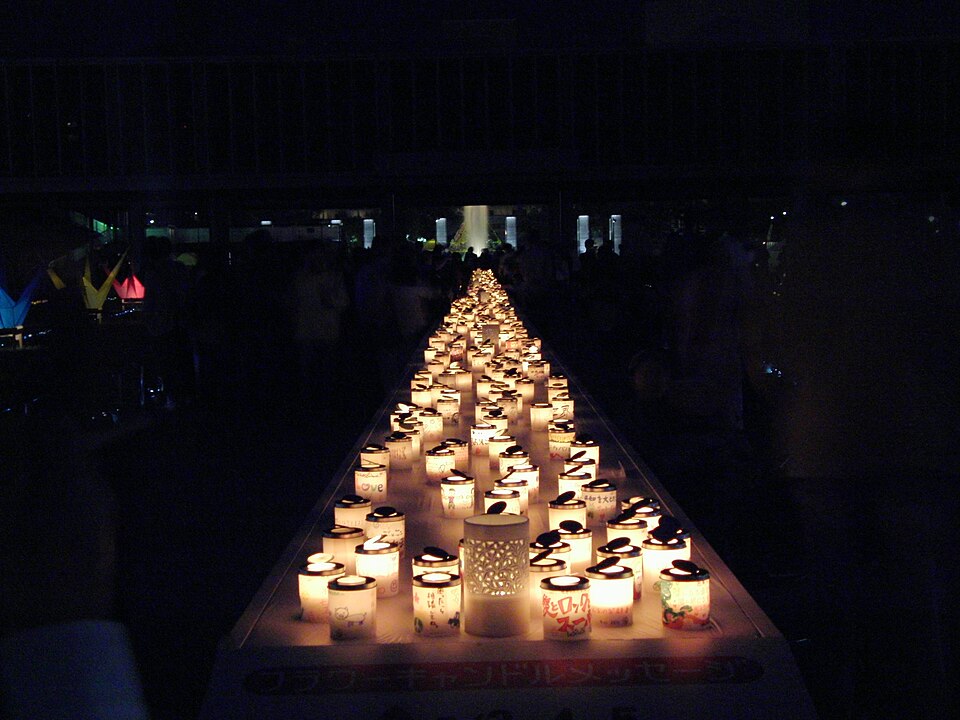
Shrine rituals, traditional offerings and lantern displays form Atsuta’s early-summer festival. Fireworks, if included in that year’s program, need their own viewing plan.
Usual annual season · exact next dates not confirmed
Usually the first Sunday in August and the preceding day
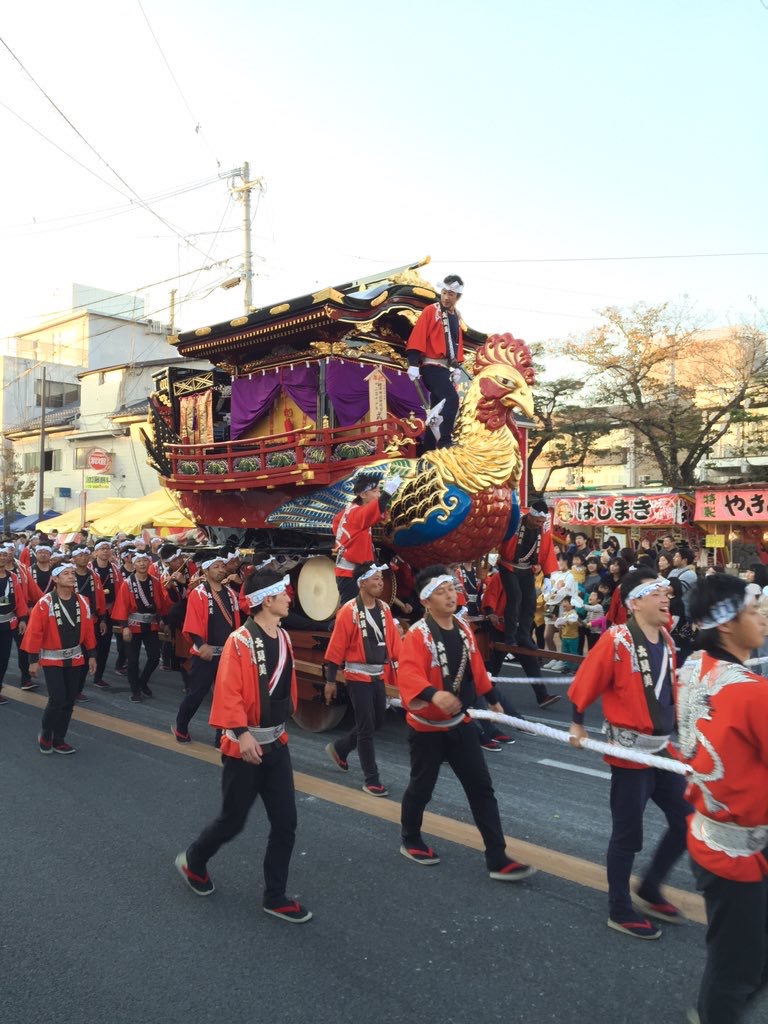
Floats equipped with drums and gongs travel through Kuwana. Their competing rhythms are central to the experience, not merely accompaniment to decorative floats.
Usual annual season · exact next dates not confirmed
Usually April, with major events around April 15
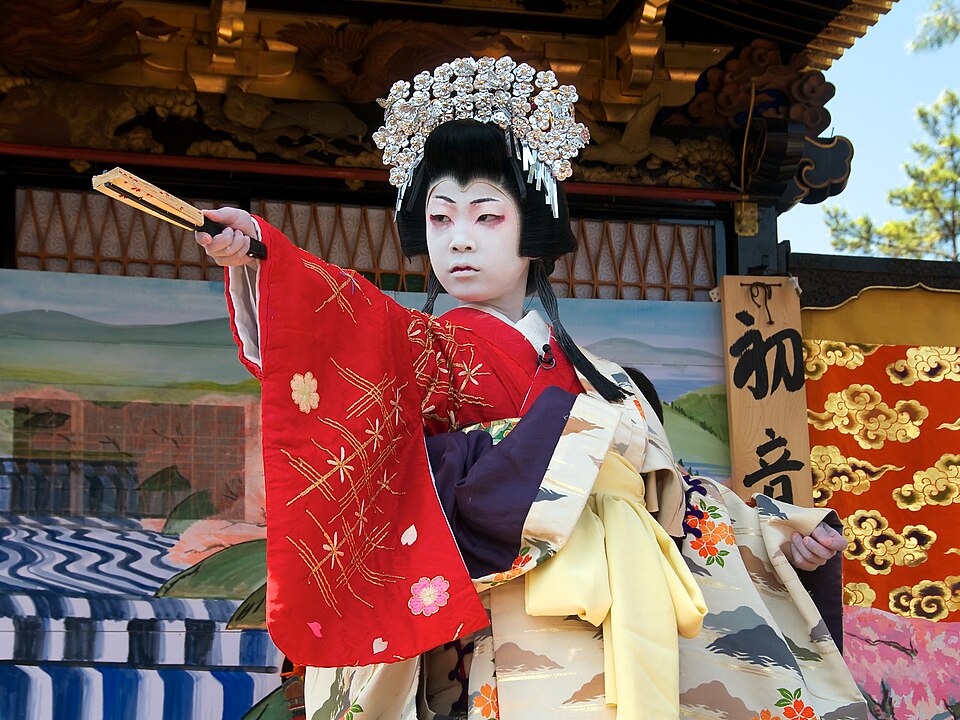
Children perform kabuki on decorated floats that serve as moving stages. To watch a complete performance, the stage location and timetable matter more than the procession’s movement.
Usual annual season · exact next dates not confirmed
Usually July 24–25
Tenjin Matsuri combines a land procession with an evening boat procession on the Okawa River. A shrine visit and a riverbank evening are different plans within the same celebration.
Usual annual season · exact next dates not confirmed
Usually December 15–18; main procession and performances on December 17
Historical costumes, kagura, dengaku and bugaku feature in Nara’s shrine festival. The procession and traditional performances occur at different times and places.
Usual annual season · exact next dates not confirmed
Usually July 14
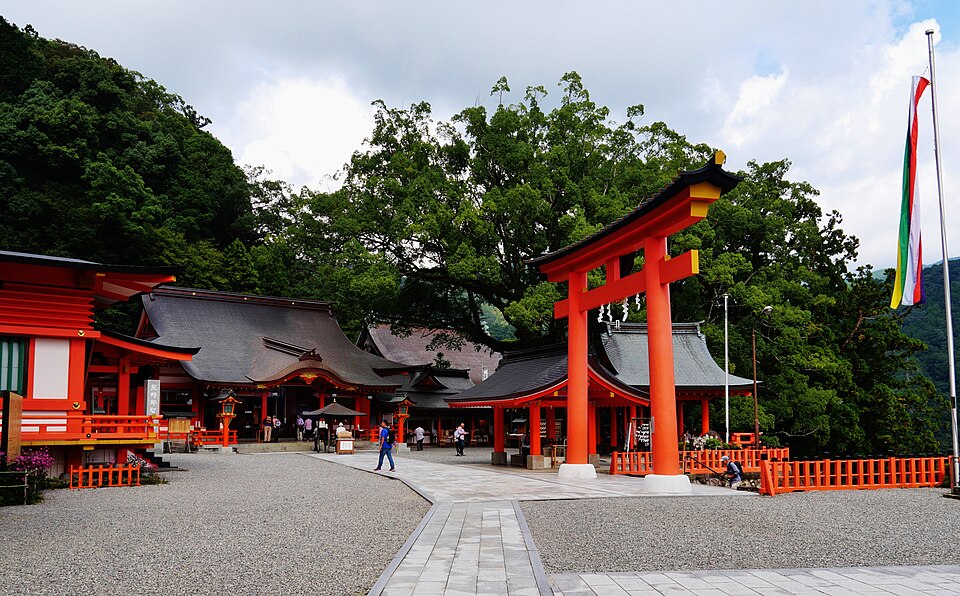
Large torches and fan-shaped portable shrines descend toward Nachi Falls. Often called the Nachi Fire Festival, it is a shrine rite, not a fireworks display.
Usual annual season · exact next dates not confirmed
Usually August; umbrella-dance dates are announced for each edition
Dance teams spin decorated umbrellas with bells through Tottori’s streets. Fireworks, when part of the program, are a separate event rather than something to expect at the same dance site.
Within the announced dates · check daily operating notices
2026: September 26–27; October 3–4, 10–12 and 17–18, 6:00–9:00 p.m.
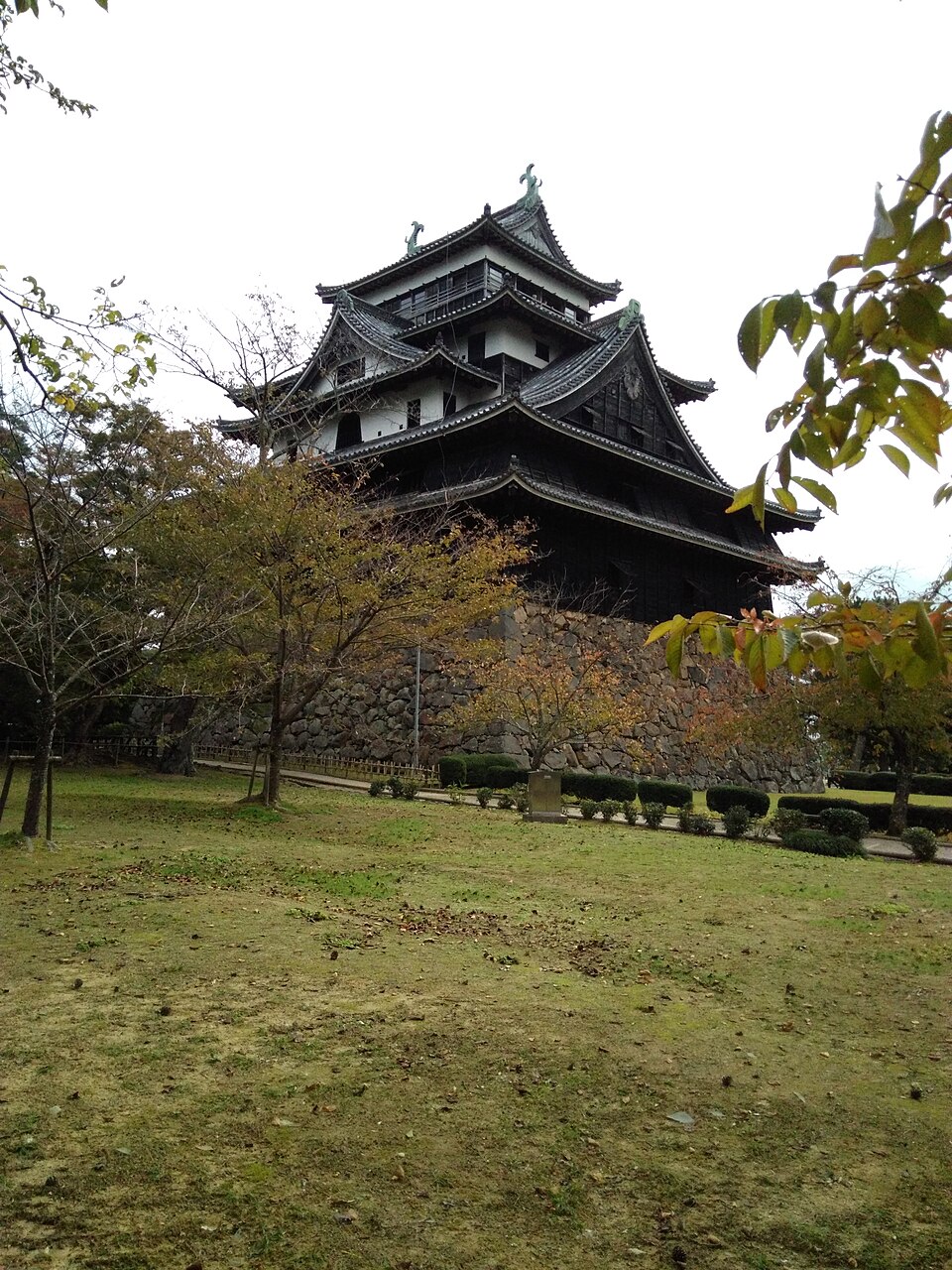
Lanterns light the castle surroundings for an evening walk. The 2026 program runs on selected evenings only, not every day between September 26 and October 18.
Usual annual season · exact next dates not confirmed
Usually summer; exact dates depend on the edition
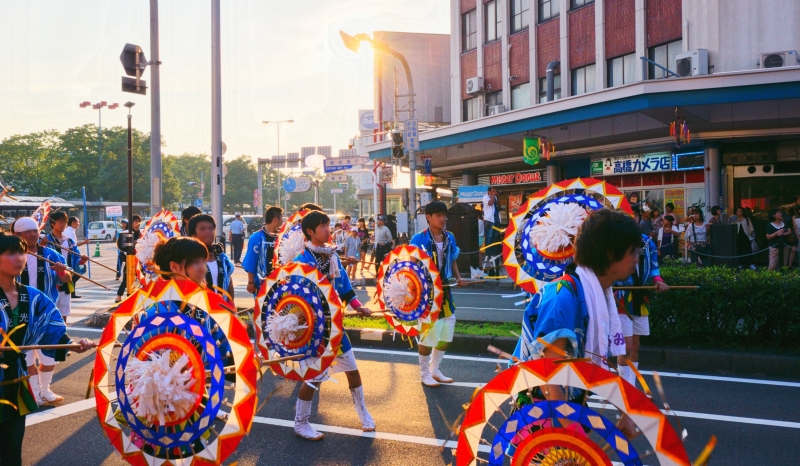
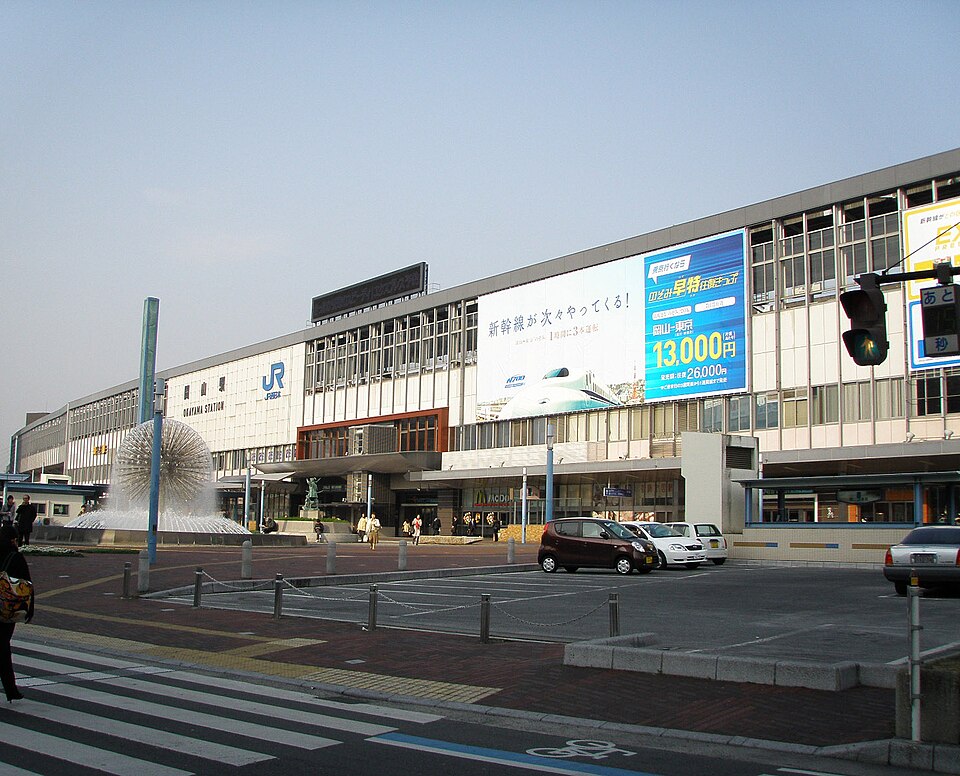
Teams with distinctive demon-inspired face paint dance across Okayama. The performances draw on local stories associated with Momotaro, but this is a modern civic celebration.
Flower-themed parades and stage performances fill Peace Boulevard. A thoughtful visit to Peace Memorial Park needs its own time rather than being squeezed between performances.
Usual annual season · exact next dates not confirmed
Usually August 6–7
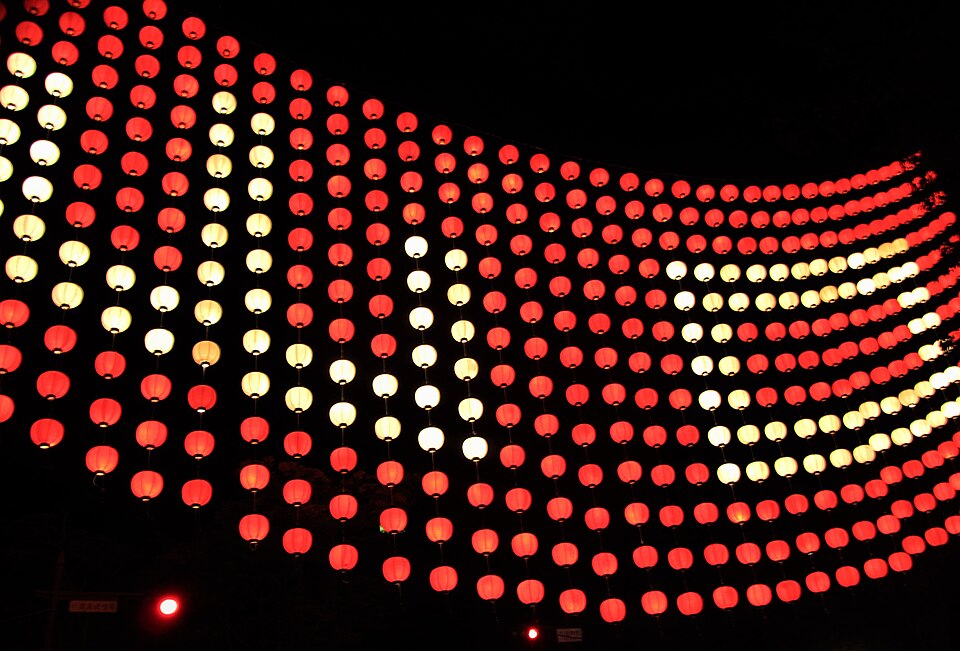
Rows of red paper lanterns hung from bamboo brighten the shopping streets. This is an evening town walk rather than a single procession to wait beside.
Usual annual season · exact next dates not confirmed
Usually August; dance and fireworks programs are announced separately
Civic dances, stage programs and waterfront events make up Takamatsu’s summer celebration. The downtown dance area and harbor-side events are not the same venue.
Usual annual season · exact next dates not confirmed
Usually mid-October; shrine calendars differ
Illuminated danjiri floats and portable shrines move through Saijo. Several shrine festivals share the broader name, so the date and location must match the ritual you want to watch.
Usual annual season · exact next dates not confirmed
Usually August 9–12; main events generally focus on August 10–11
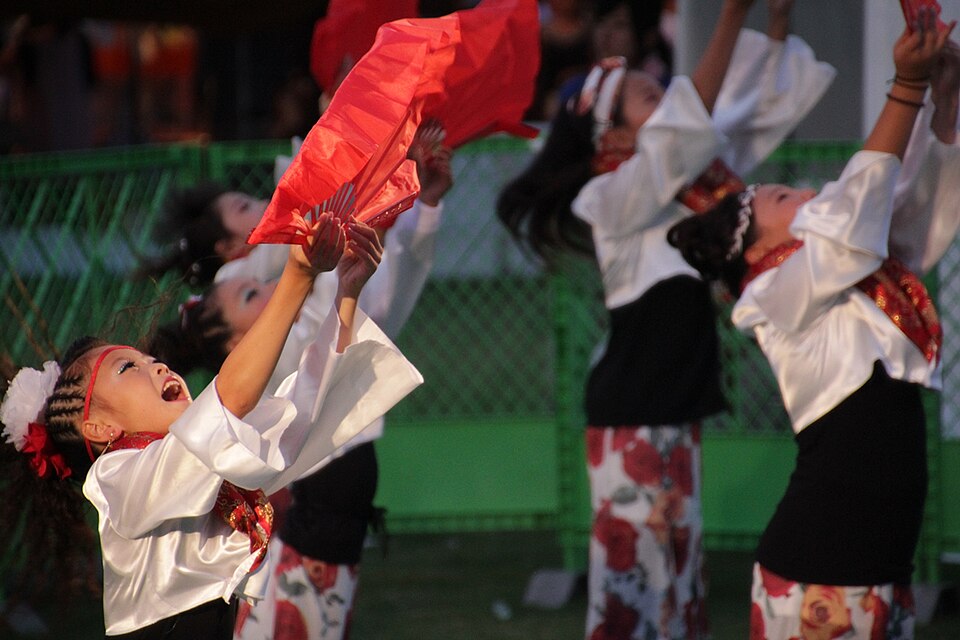
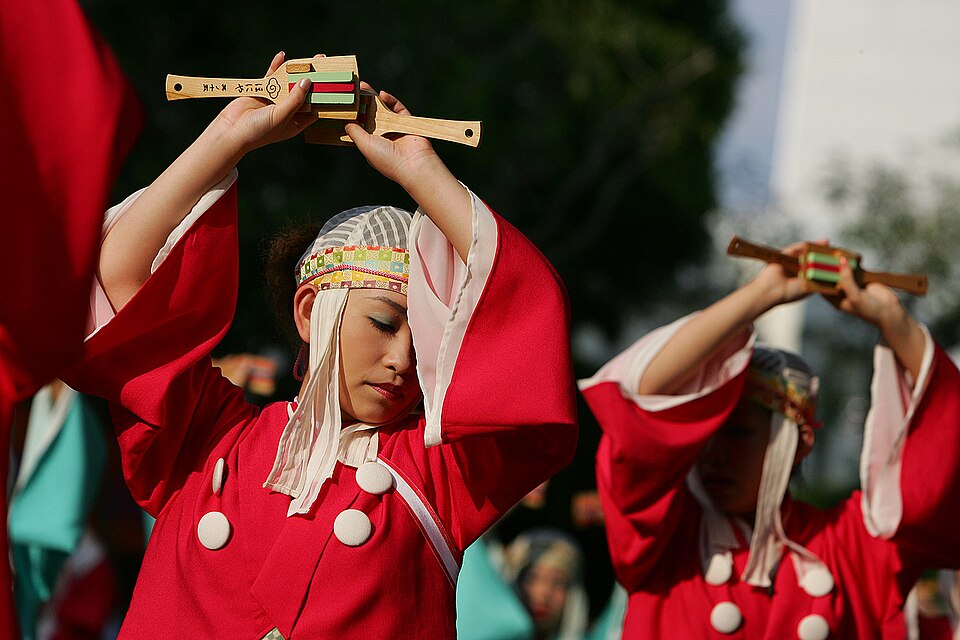
Teams dance with wooden naruko clappers, each using its own music and costumes. This is Kochi’s Yosakoi, a different event from Sapporo’s Yosakoi Soran.
Usual annual season · exact next dates not confirmed
Usually November 2–4
Hikiyama floats shaped like sea bream, lions and other figures pass through Karatsu. Daytime viewing reveals their shapes; the first-night procession adds lanterns.
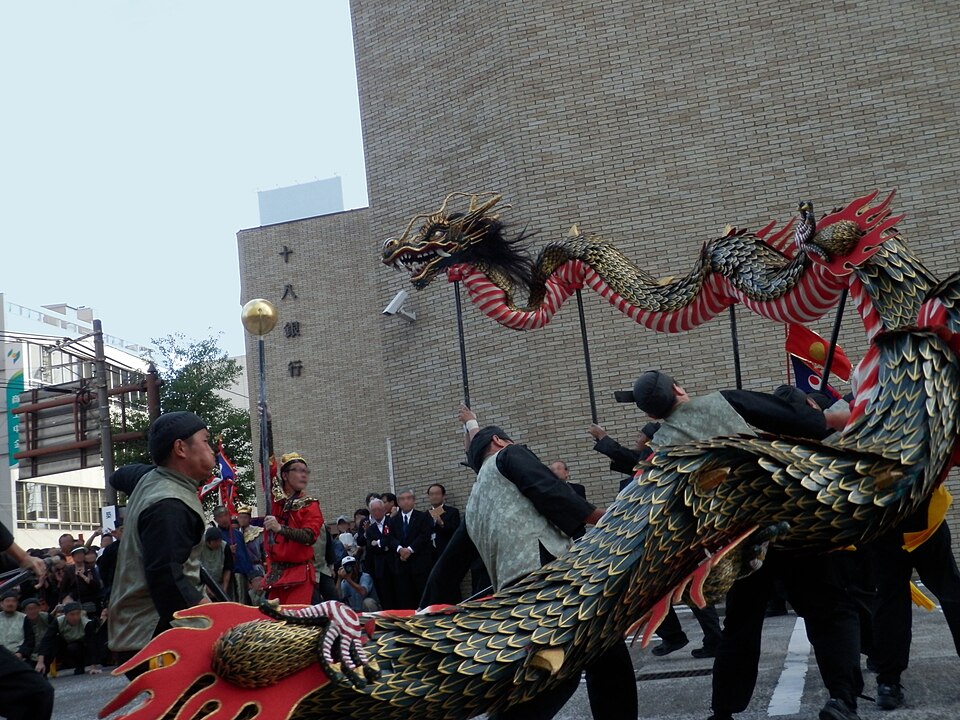
Participating neighborhoods present distinct offerings that can include dragon dances and boat-shaped floats. The groups rotate, so a past year’s photographs do not establish this year’s program.
2026 major events canceled · next edition not confirmed
Usually August 15–16; the 2026 thousand-lantern dance and fireworks were canceled
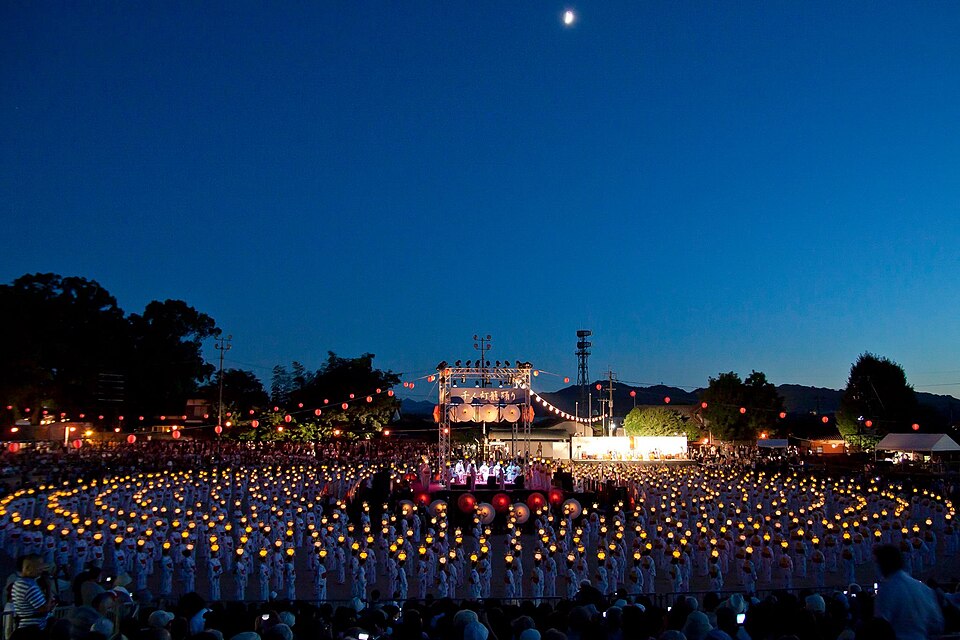
Yamaga’s paper-lantern craft and offerings are central to this festival. The large thousand-lantern dance and fireworks were canceled in 2026; do not use the usual program or archive photos to assume those events took place.
Usual annual season · exact next dates not confirmed
Usually July; the festival weekend is announced for each edition
Tall yamaboko floats move through Hita’s old streets to Gion music. Mameda and Kuma have separate routes; a station gathering, if scheduled, is another program item.
Usual annual season · exact next dates not confirmed
Usually November–February; village dates and venues vary
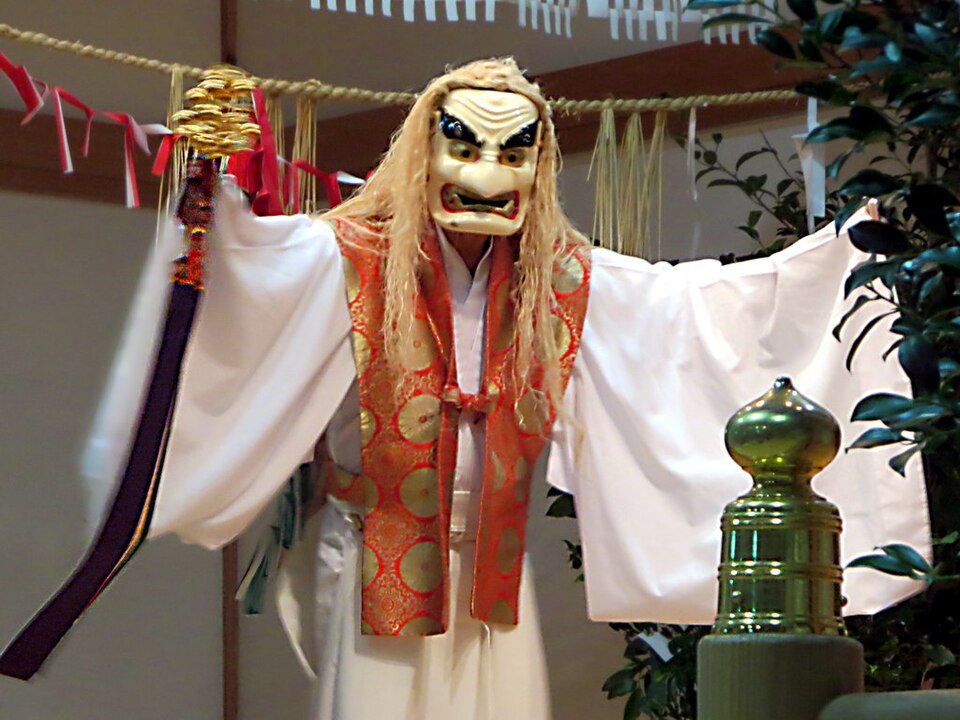
Villages host all-night sacred dance offerings in kagura lodgings. These rites are different from the regular tourist kagura performance at Takachiho Shrine.
Usual annual season · exact next dates not confirmed
Usually November 2–3
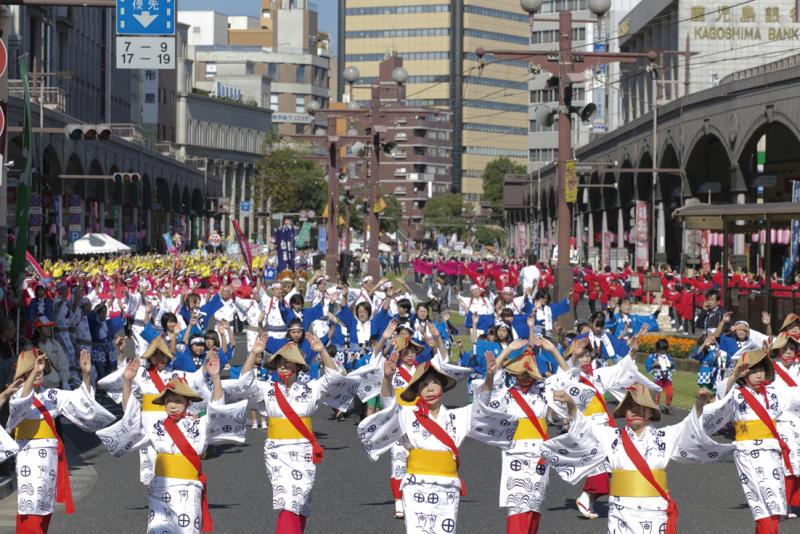
Teams dance to Ohara Bushi and other local music through Kagoshima’s central streets. A short city visit can fit a single viewing block without following every group.
Usual annual season · exact next dates not confirmed
Usually October; the tug-of-war date is announced for each edition
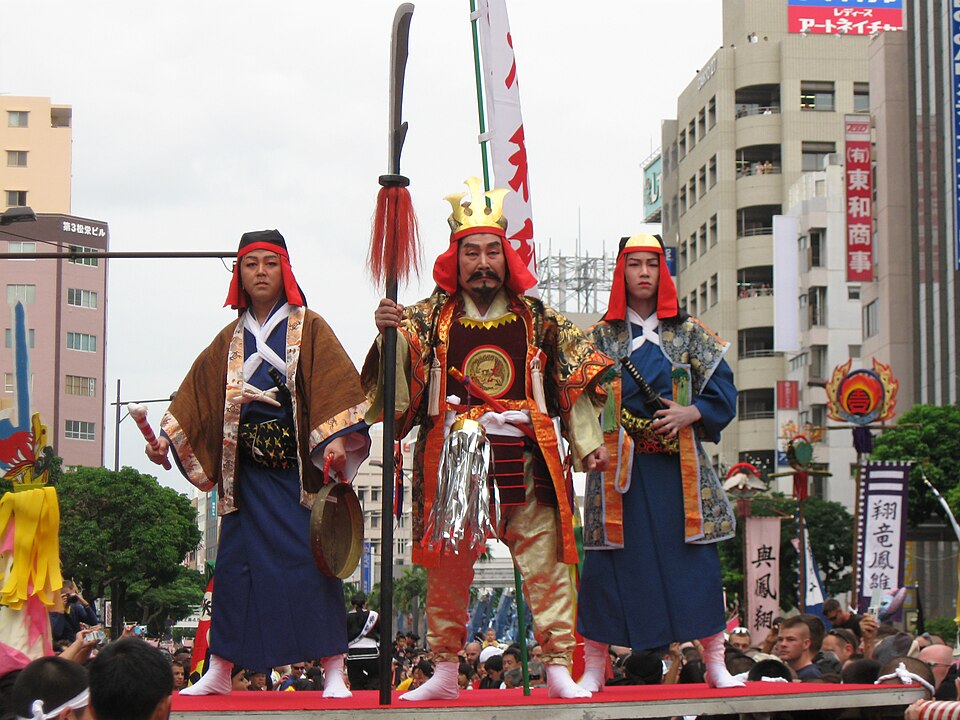
Naha’s giant rope is pulled from east and west in a civic event rooted in Ryukyuan traditions. The flag procession and tug of war use different streets.
For smaller celebrations and other events, use your destination’s official tourism calendar. These links open regional tourism sites, often in Japanese.
Use your local arrival date in Japan to plan the first festival visit, not the date your flight leaves the United States. Then allow for the trip from the airport to the festival city. An early-morning race in Hakata and an evening walk in Kyoto need very different arrival and hotel plans.
Use Japan time. Organizer times are in JST. U.S. time zones and daylight saving vary, so there is no single U.S.–Japan time difference to apply to every departure.
Choose the program before the seat. Parade seats, fireworks zones and stage shows can have separate admission rules. Book against the current edition’s program, not an archive photograph.
Plan the return trip. Rural buses and the last train may not match the end of an evening performance. Check the operator’s timetable before choosing a distant viewing area.
Select your travel month and prefecture, then choose a city or search a festival name. This directory covers 48 selected festivals and events across all 47 prefectures, with individual guides to dates, viewing locations and public transportation. It is not a list of every event in Japan.
Are all Japanese festival dates confirmed?
No. Each card distinguishes a confirmed edition from its usual annual season or a past edition. Some programs run on selected days only. Open the linked organizer’s current program before booking accommodation or transportation.
Do I need tickets for Japanese festivals?
Admission depends on the event and viewing area. Reserved parade seats, fireworks zones and stage performances may have separate ticket rules. An outdoor street festival does not mean that every performance or viewing area is free; use the organizer’s current admission information.
What happens to a festival if it rains?
The organizer decides whether to change, postpone or cancel its program. Takayama’s outdoor float displays can change in rain, and Jidai Matsuri can be postponed. A weather forecast is not a cancellation notice; check the official event announcement before leaving.
May we use Google Analytics cookies to understand visits and improve this site? All features work if you decline. Privacy policy