Snow sculptures in Sapporo, float processions in Kyoto or fireworks in Nagaoka? Choose your travel month and destination to compare 48 festivals and events across all 47 prefectures, then open a guide for the venue, public transport and official programme.
This is a selected directory, not a list of every Japanese festival. Confirmed editions, past dates and usual annual timing are labelled separately. All event dates and times use Japan local time (JST).
Planning your journey from Canada
Match the festival day to your arrival date in Japan, not your departure date in Canada. Check the organiser’s programme before making non-refundable bookings, especially for selected-evening events, outdoor floats and reserved viewing areas.
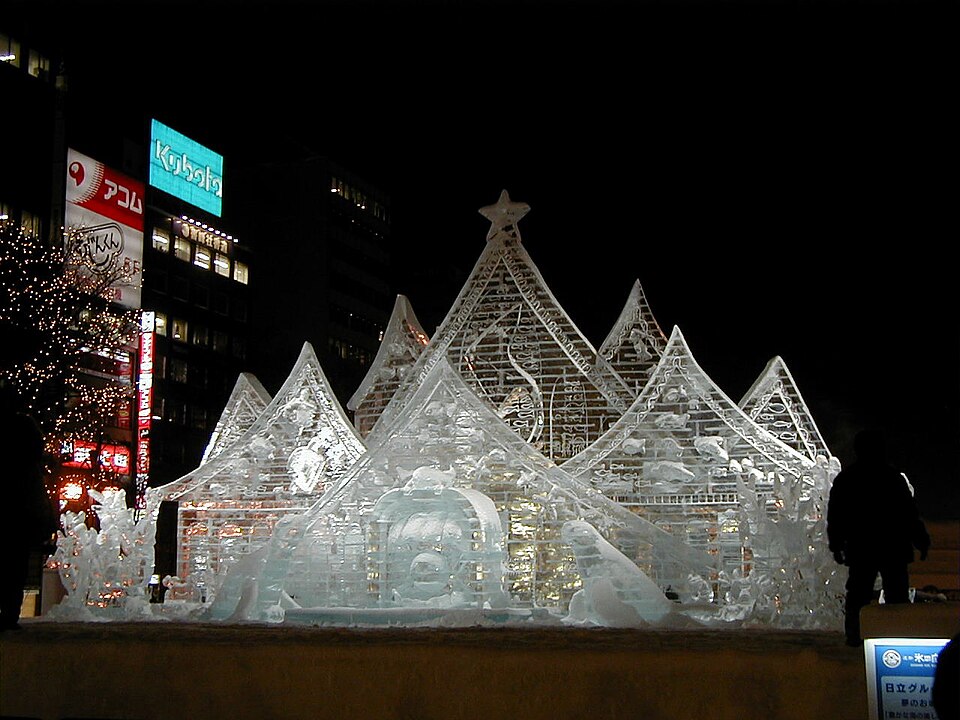
Sapporo fills Odori Park with snow sculptures while Susukino hosts ice sculptures. Choose these central sites for an art-focused walk; allow a separate trip to Tsudome if snow activities are your priority.
Usually August 2–7; check the next edition’s announcement
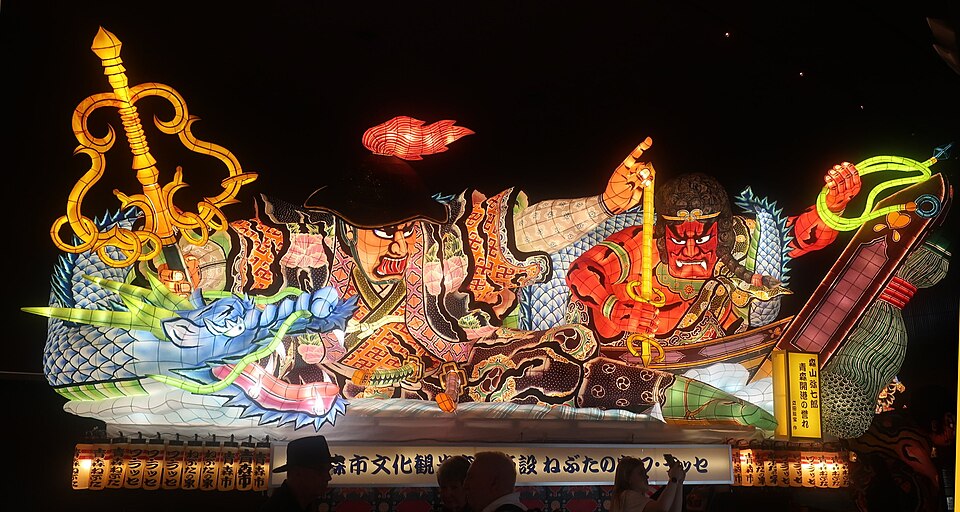
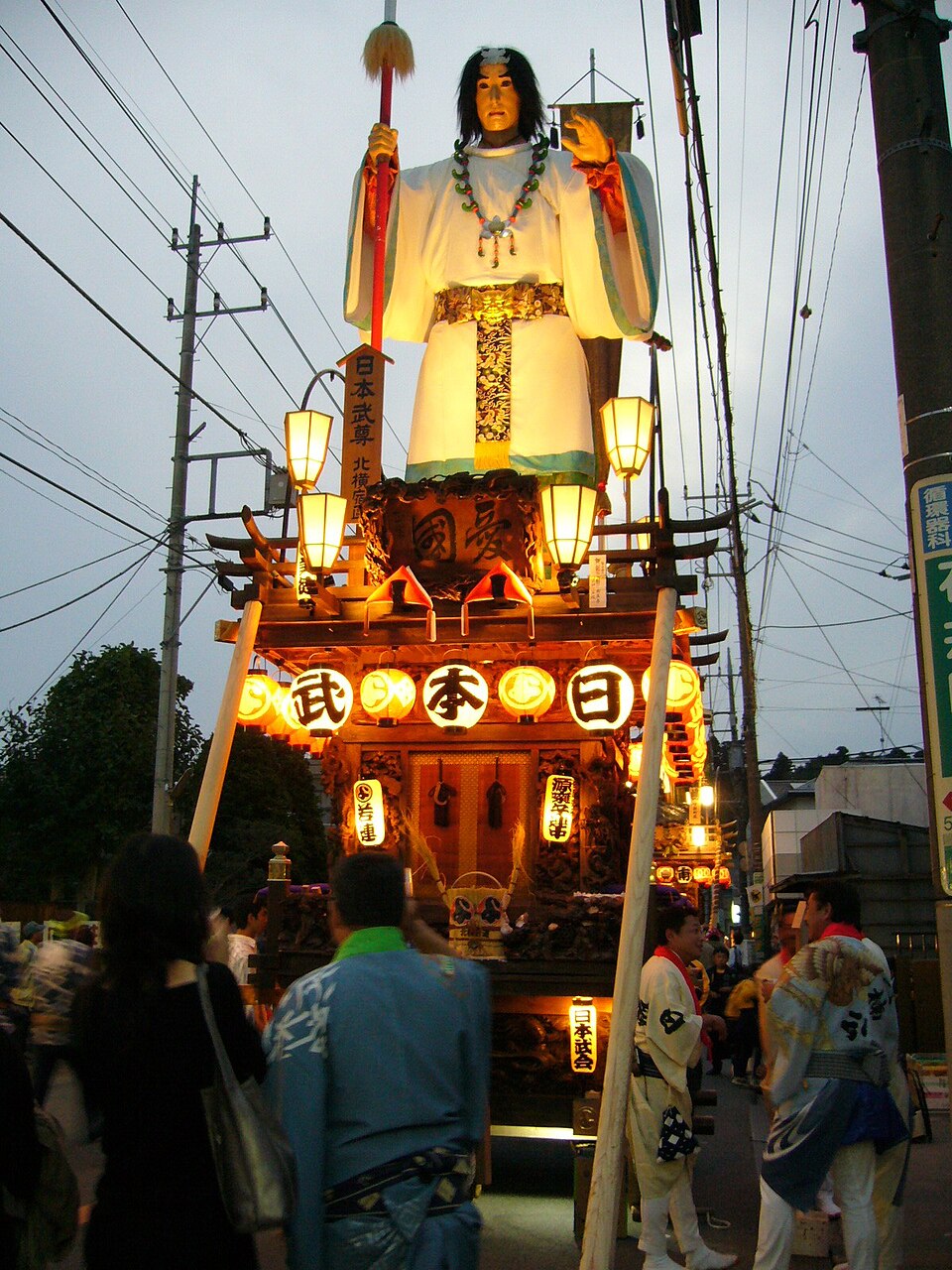
Illuminated floats depicting warriors and mythical figures travel through Aomori with drums, flutes and haneto dancers. This is a moving street parade, not a stationary sculpture exhibition.
Usually August 3–6; check the next edition’s announcement
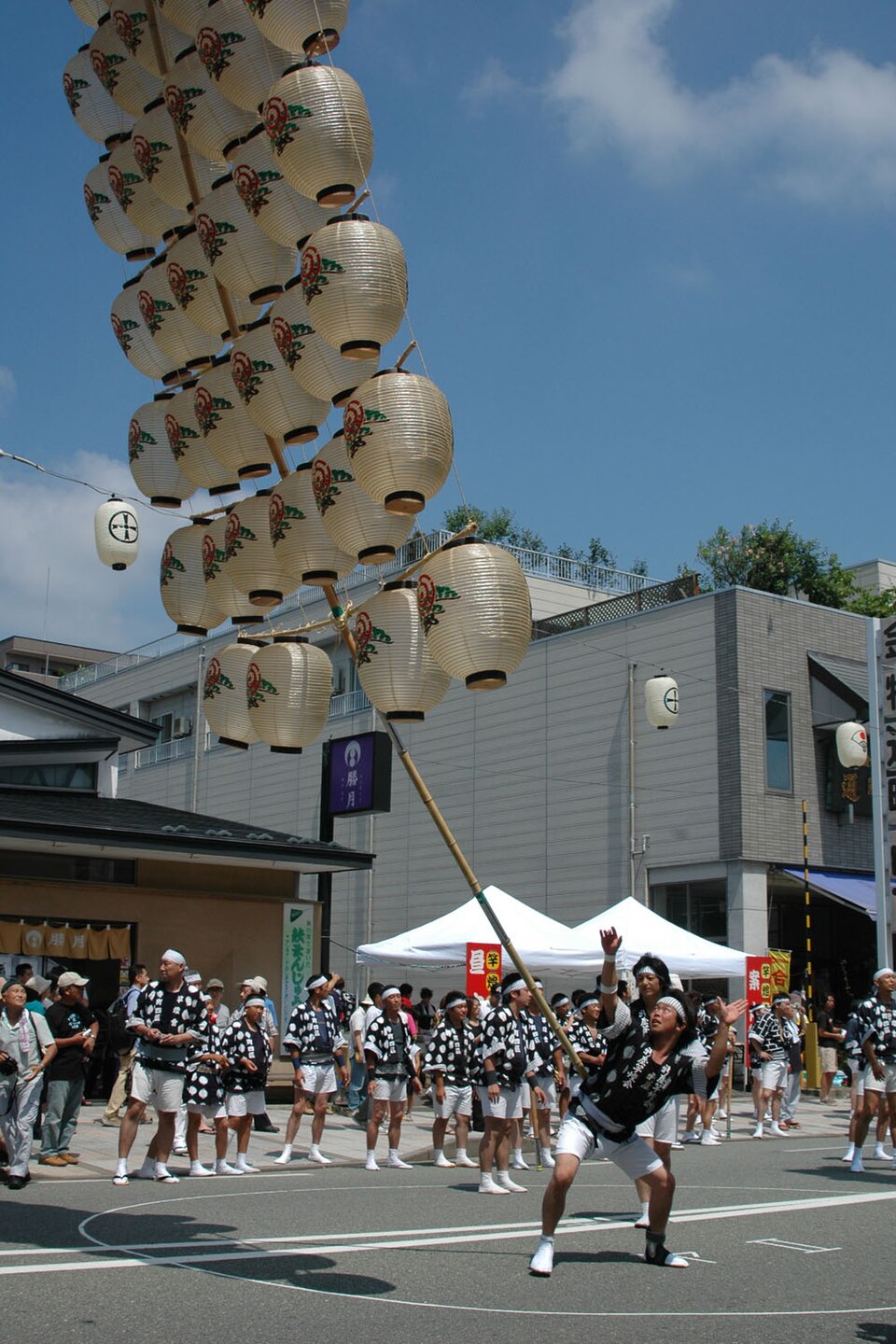
Performers balance tall poles of lanterns on their foreheads, shoulders and hips. Night performances show the illuminated street scene; daytime competitions offer a closer look at the balancing techniques.
Usually August 6–8; check the next edition’s announcement
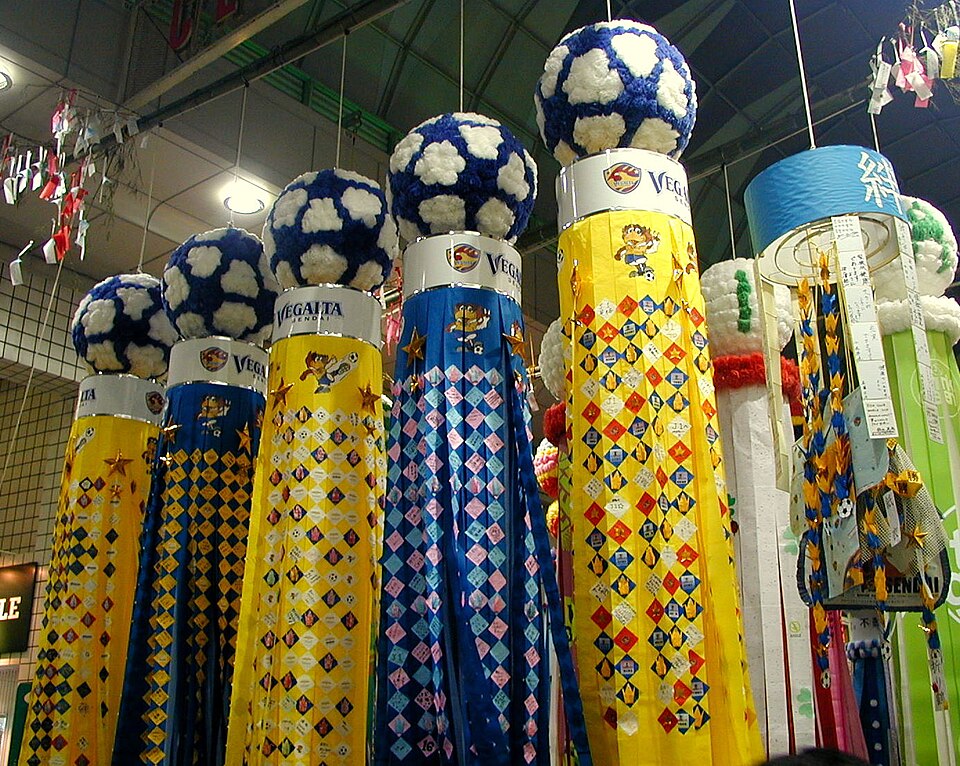
Large paper decorations hang over Sendai’s Chuo-dori and Ichibancho shopping arcades. Walk between the displays to compare their colours, cranes and paper streamers rather than waiting for a parade.
Usually July 1–31; major float processions on July 17 and 24
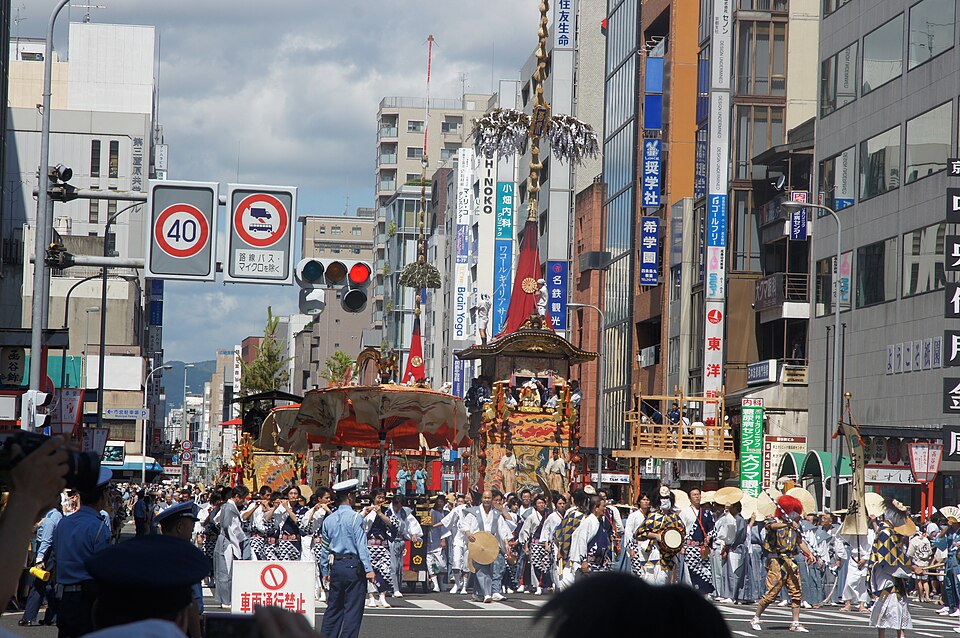
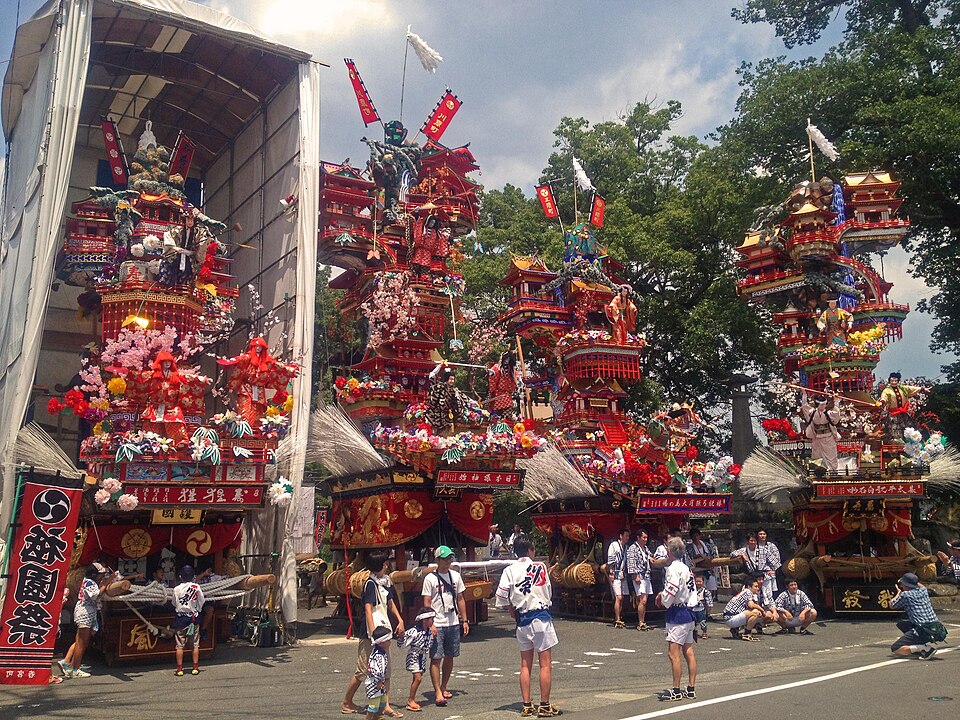
Kyoto’s Gion Matsuri brings elaborately decorated yamahoko floats into the city streets. Yoiyama evenings let you see the parked floats and hear festival music; the daytime processions offer a different experience.
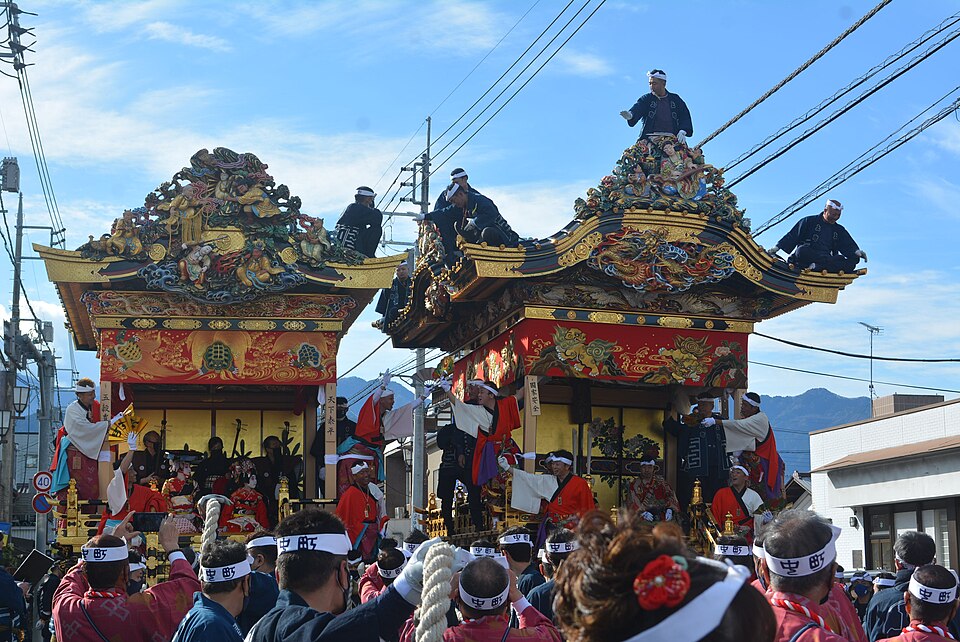
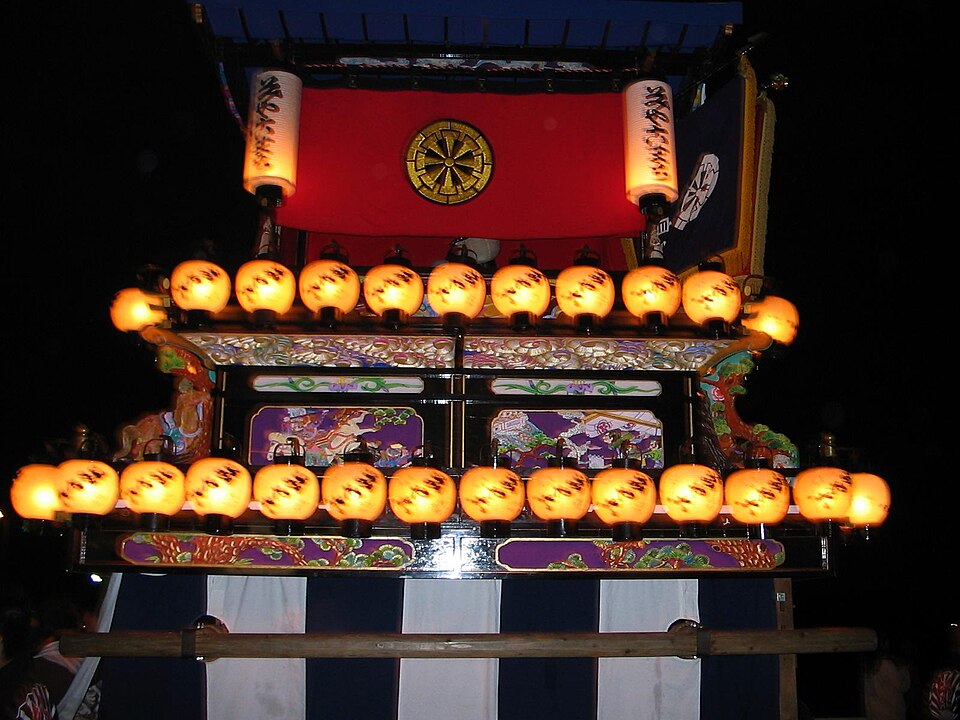
Takayama’s autumn festival combines carved yatai floats with karakuri puppet performances around Sakurayama Hachimangu. It uses different floats and a different shrine area from the spring festival.
August 12–15, 2026 city performances; next edition not confirmed here
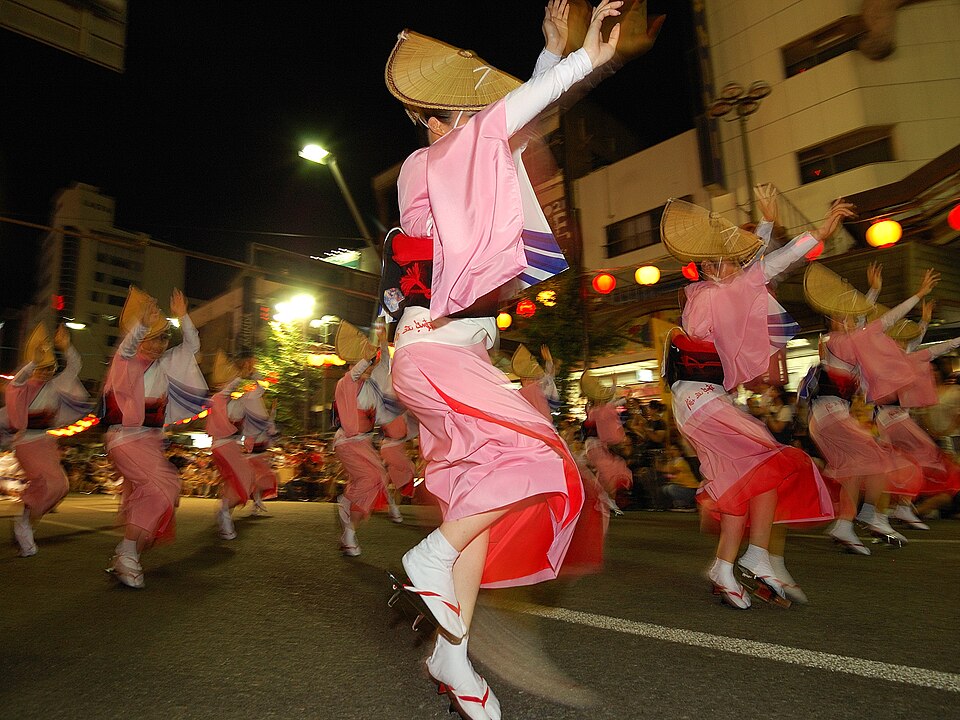
Tokushima’s ren dance groups move to drums, flutes and shamisen. Reserved performance grounds offer seated viewing, while street performances suit a more flexible evening on foot.
Usually July 1–15; Oiyama takes place before dawn on July 15
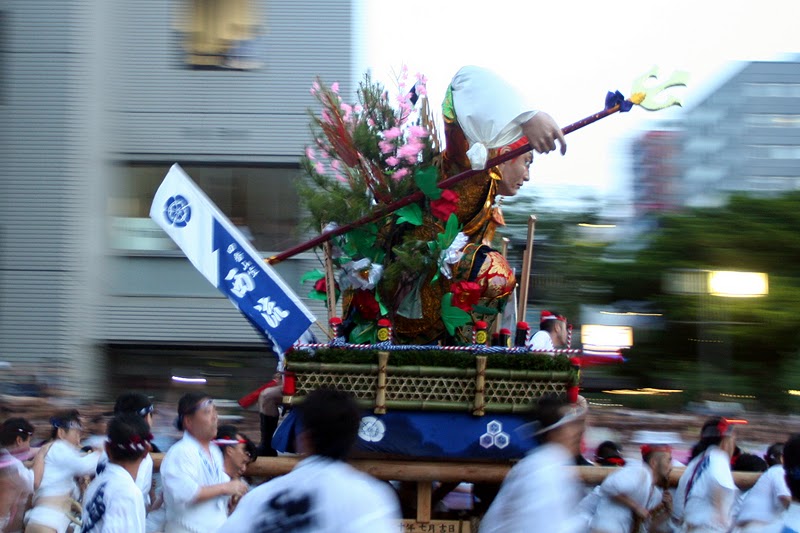
Fukuoka’s Hakata Gion Yamakasa pairs large decorative floats with teams racing through Hakata carrying kakiyama. A daytime display visit and the final dawn race require different travel plans.
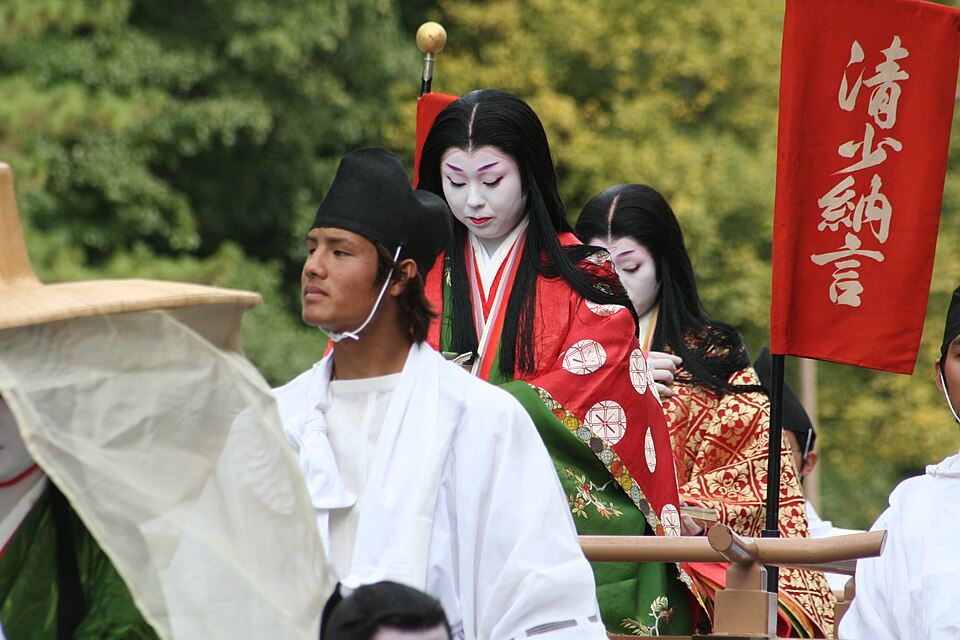
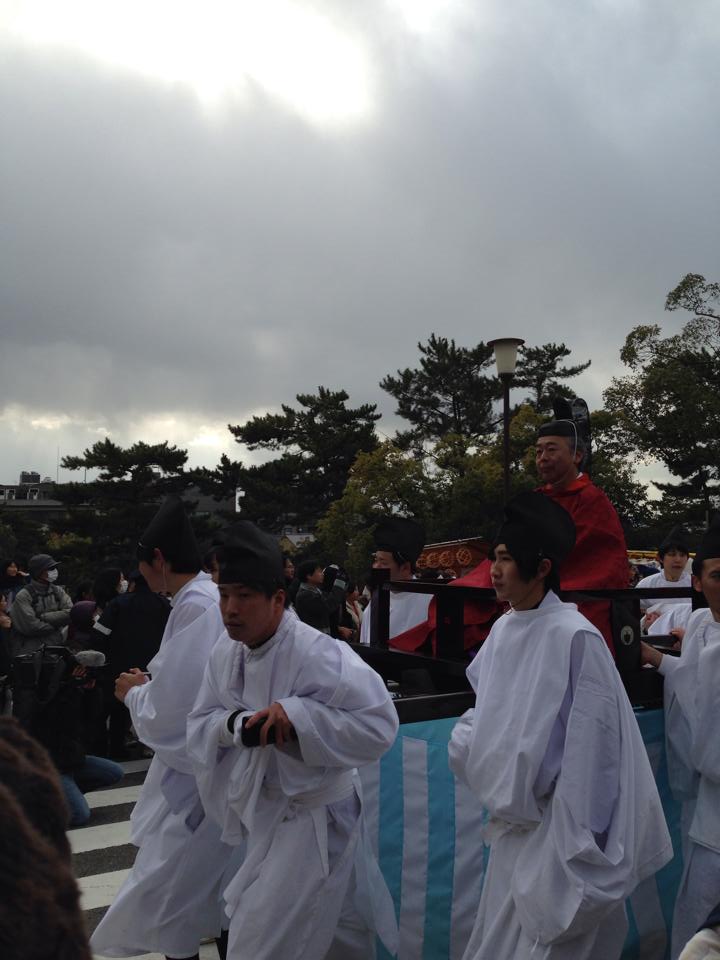
Kyoto’s Jidai Matsuri is a historical costume procession from the Imperial Palace to Heian Jingu. Watching from one section lets you follow the changing clothing and equipment as the eras pass.
Usually December 2–3; check the next edition’s detailed programme
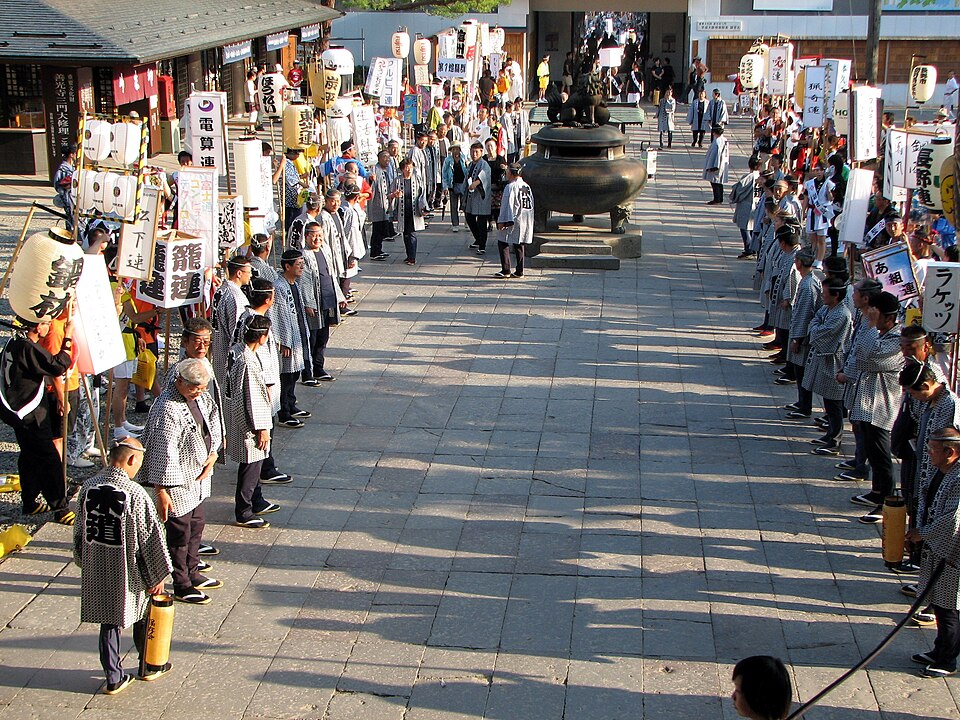
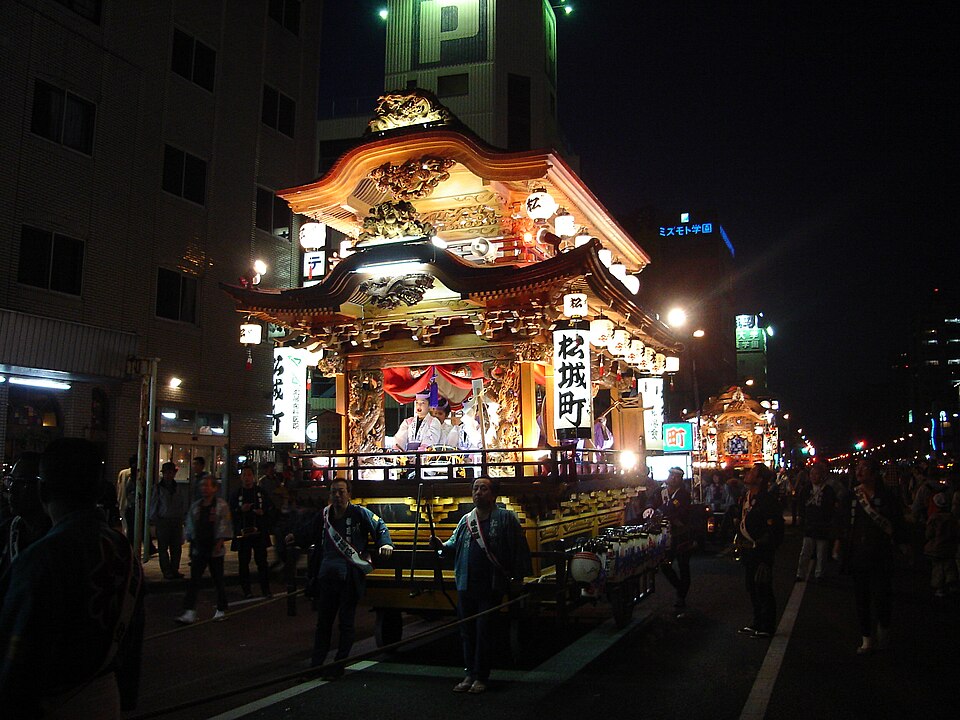
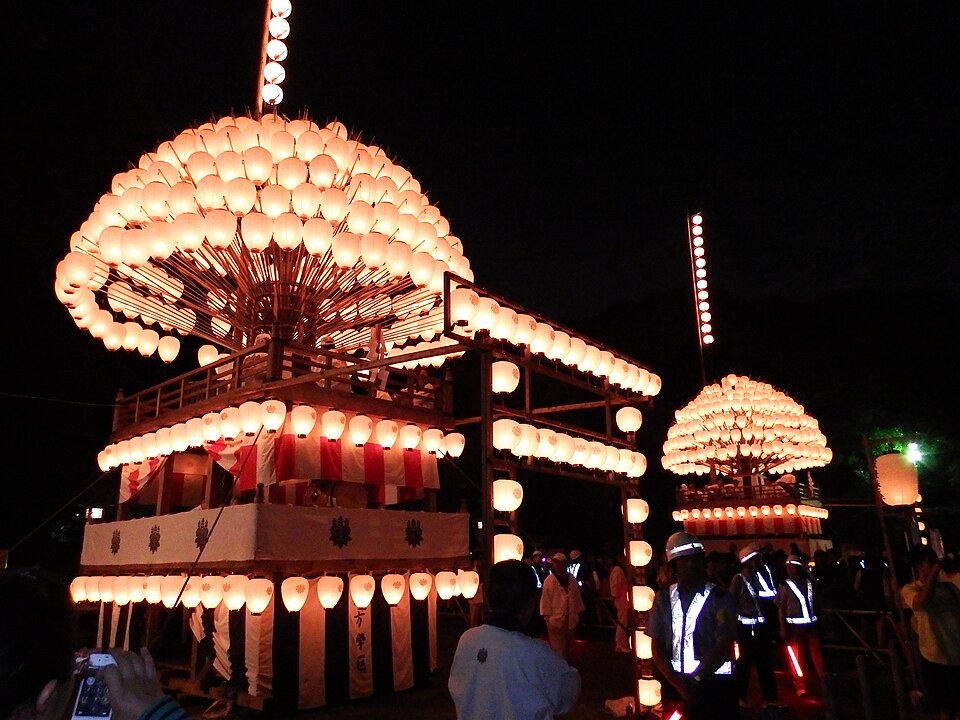
Carved floats and kasaboko move through Chichibu in winter. The main December 3 programme combines float activity with fireworks, but the shrine, float streets and fireworks viewing areas are not interchangeable.
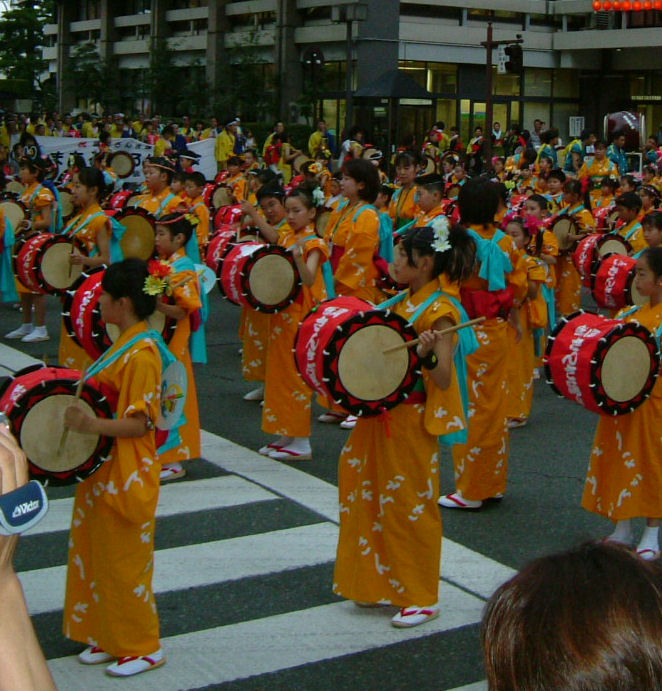
Drummers dance as they parade through Morioka, making the rhythm and coordinated movement equally important. Watch a group long enough to see how the drum strokes fit the steps.
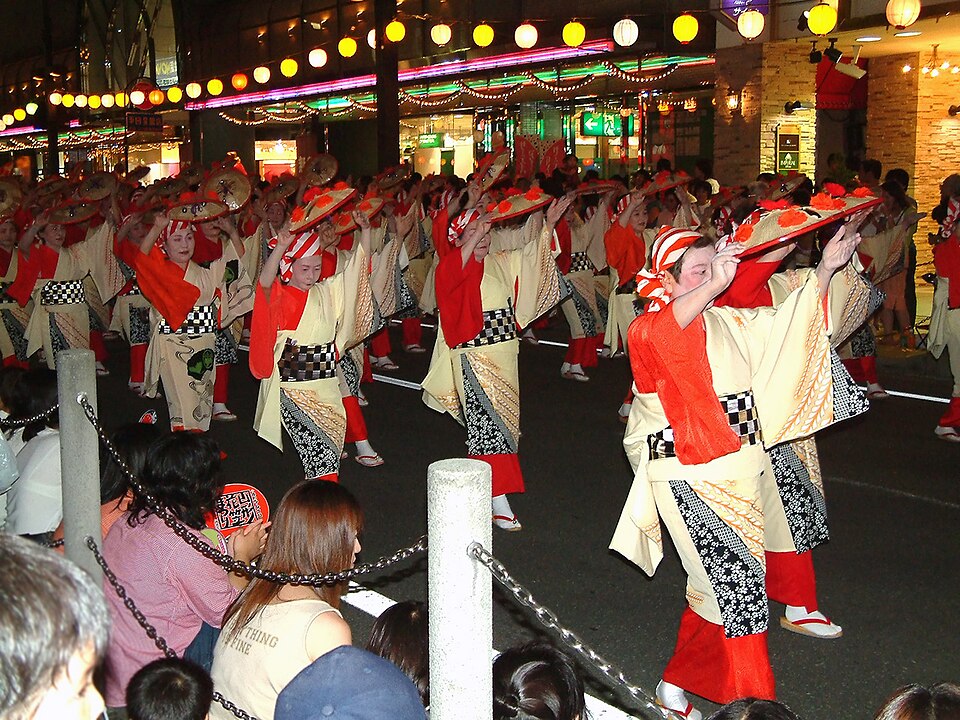
Dancers carry hats decorated with red safflowers through Yamagata. Hat-spinning, coordinated formations and different dance styles make each group more than a repeat of the last.
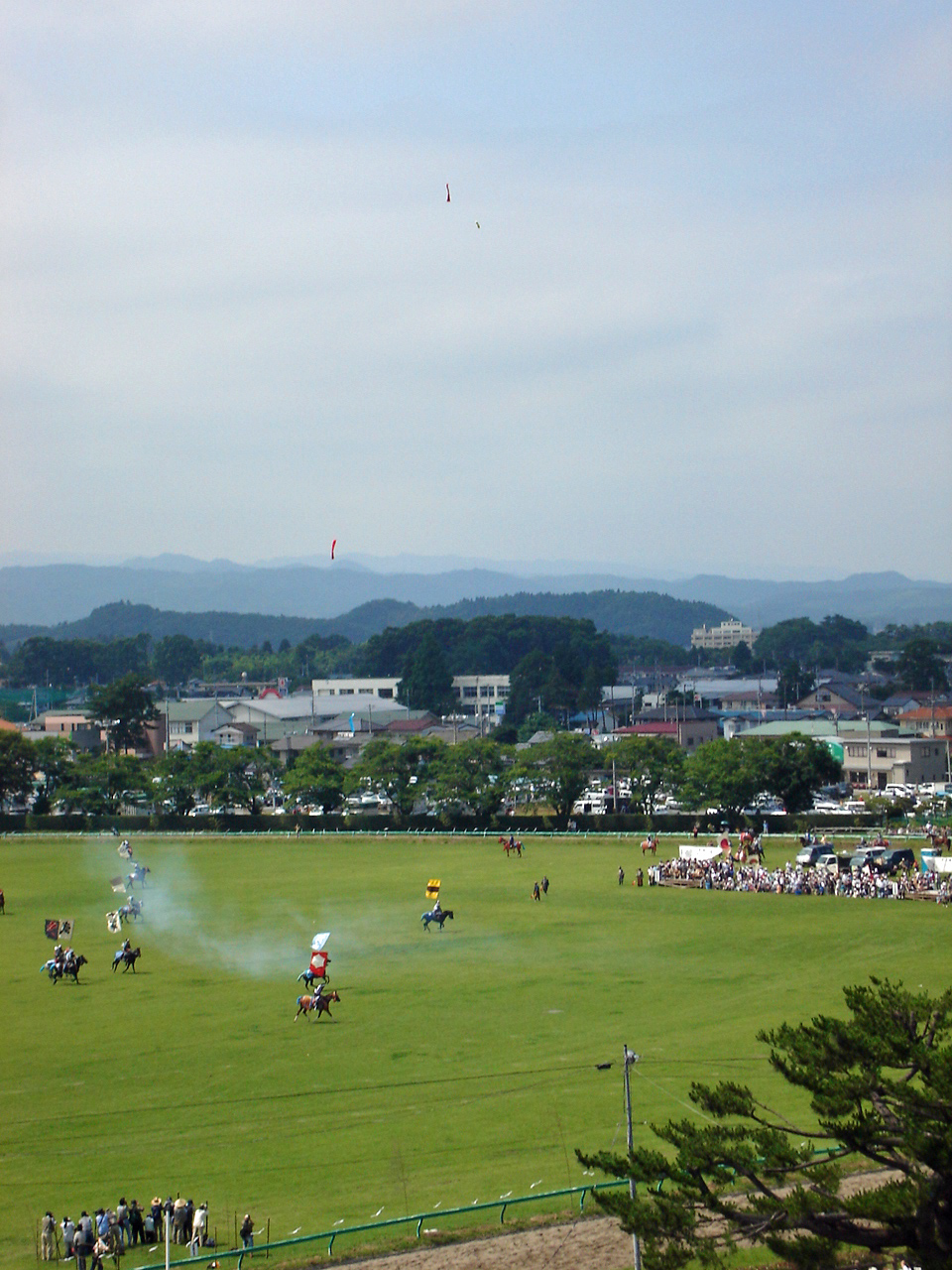
Armoured riders take part in processions and horseback contests at Soma Nomaoi. Choose your day according to whether you want the street procession or the races and sacred-flag contest.
Usually February–March; flower conditions vary during the festival
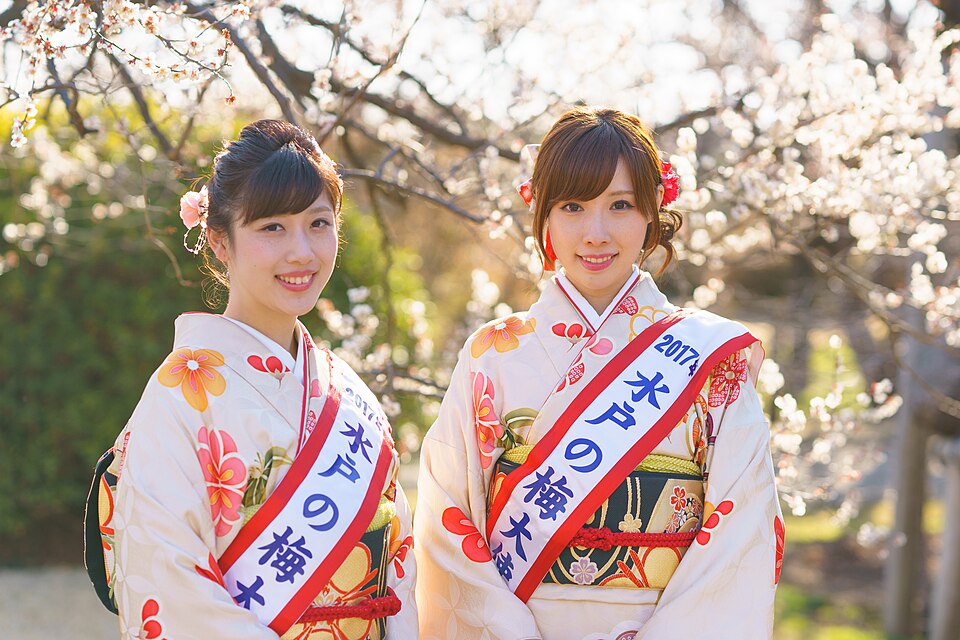
Mito’s plum festival centres on Kairakuen and Kodokan. Different varieties bloom at different times, so the festival dates alone do not tell you when the gardens will be at their fullest.
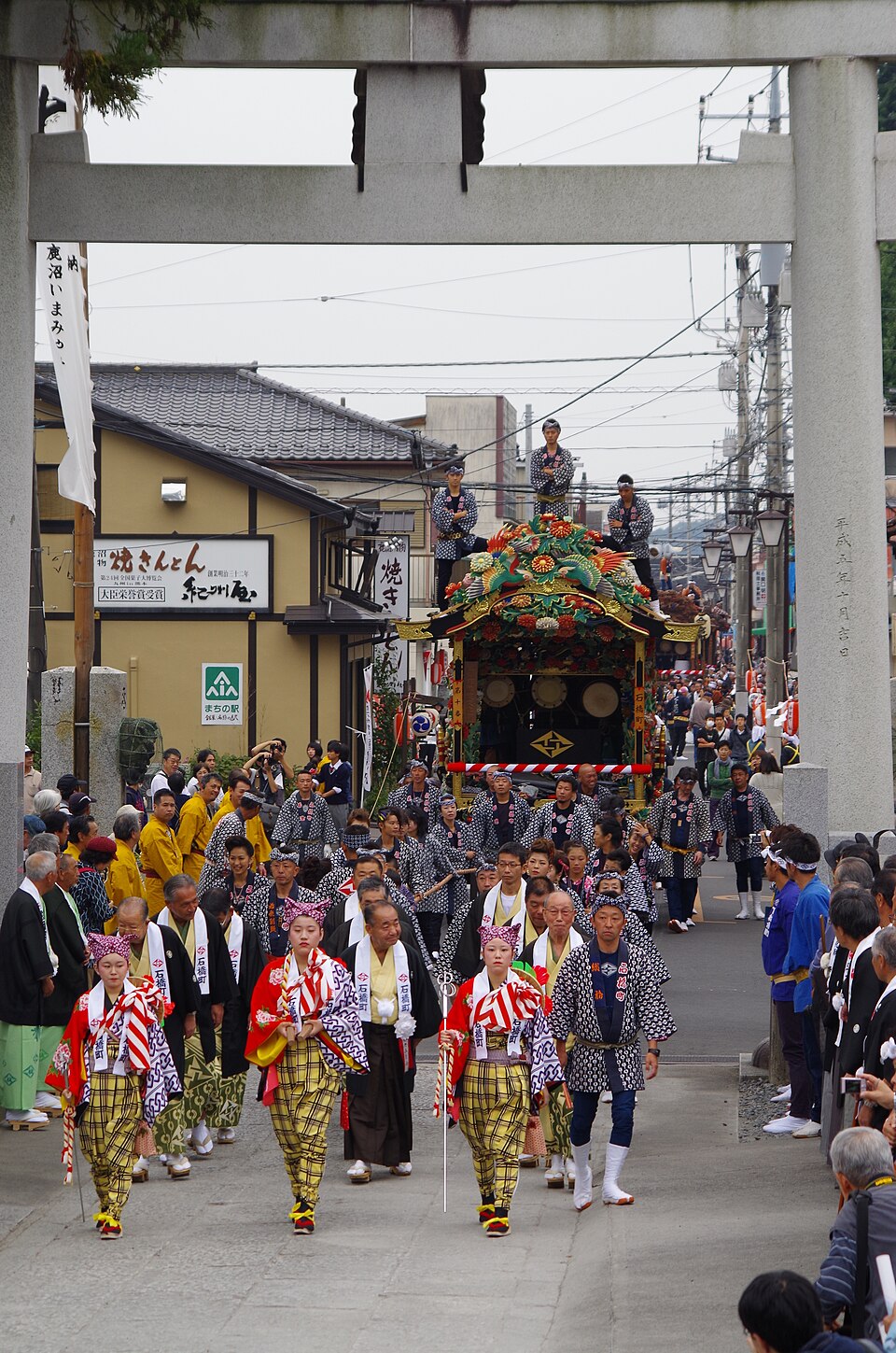
Kanuma’s autumn festival brings finely carved wooden floats towards Imamiya Shrine. Look for individual animals and figures in the carvings as well as the larger float procession and music.
Kiryu combines circle dancing to Yagibushi music with Gion mikoshi rituals, creative dance and textile-related events. Choose programme times according to the parts of the festival that interest you.
Autumn: October 9–11, 2026, 10:00–22:00 JST; summer edition held separately in July
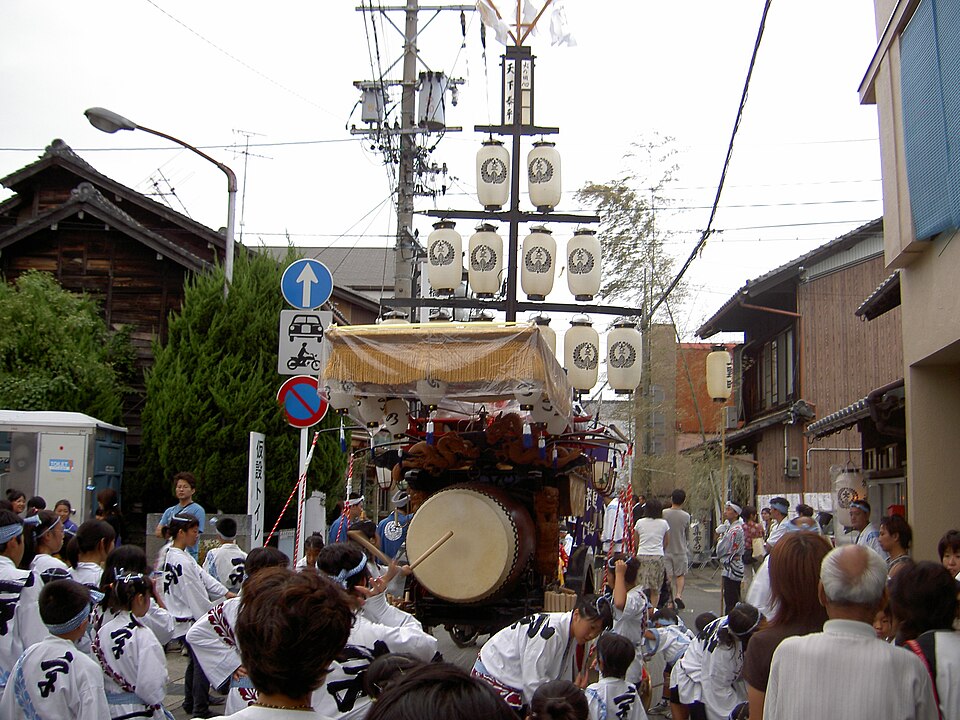
Tall doll-topped floats turn through Sawara’s narrow old streets to festival music. Summer and autumn use different neighbourhoods, so an earlier visit does not tell you where to wait this time.
Usually Friday–Sunday around the third Saturday in May
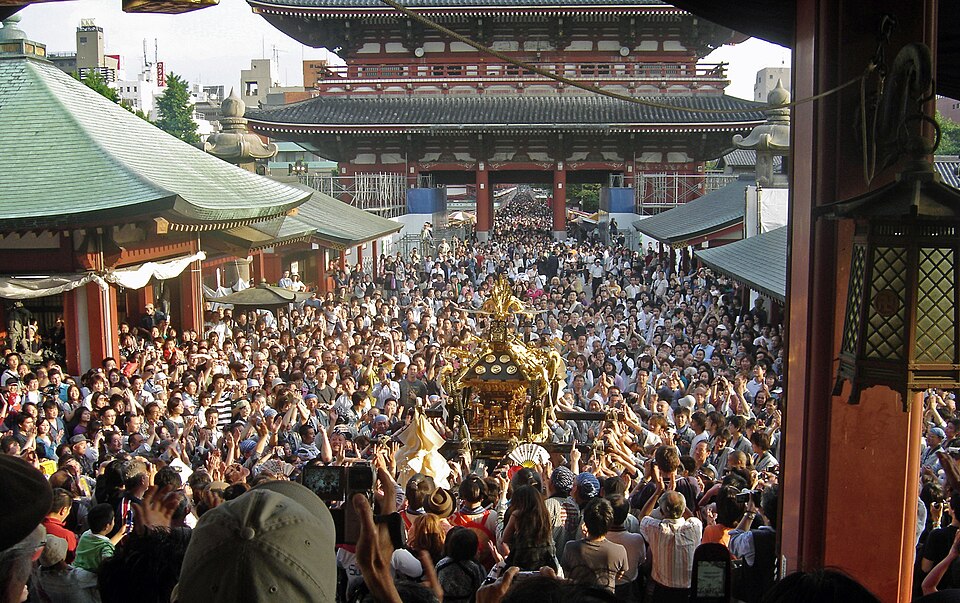
Sanja Matsuri brings portable mikoshi shrines through Asakusa’s neighbourhoods. The shrine’s three mikoshi, local neighbourhood mikoshi and traditional dance offerings have different programme times.
June 14–21, 2026; shrine festival moved to June from 2026
Inage Shrine’s Sanno festival combines a large mikoshi procession with drumming and kagura offerings. The shrine changed its festival season to June in 2026; old summer dates are not a reliable guide.
Usually August 2–3; seats and entry arrangements announced by edition
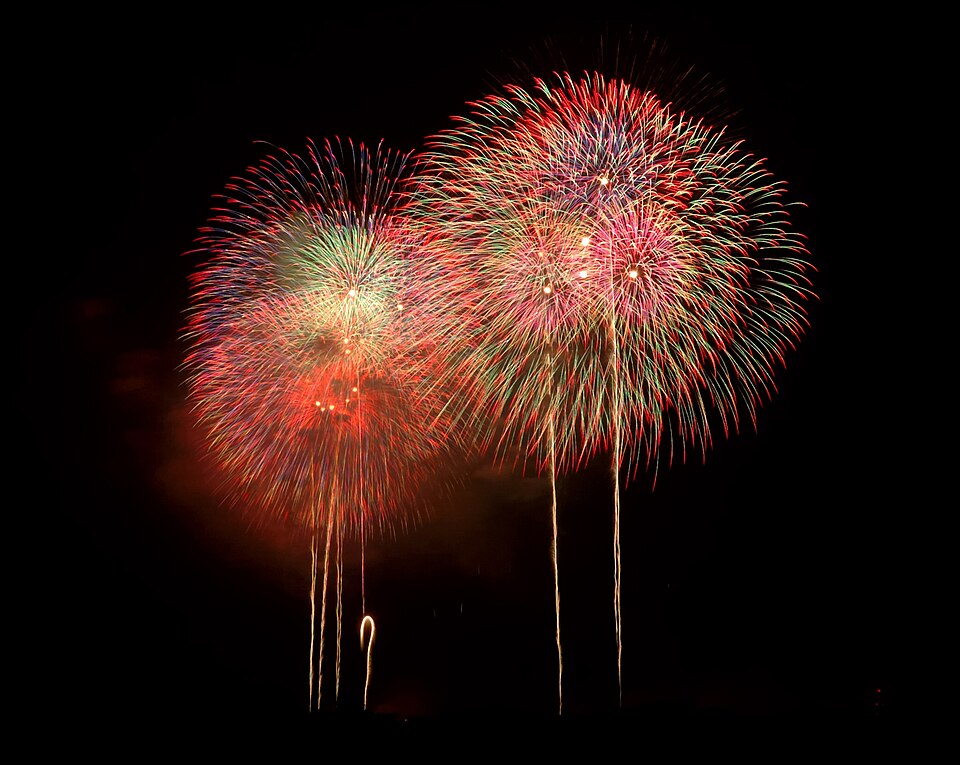
Large fireworks displays spread along the Shinano River in Nagaoka. The festival carries themes of remembrance and rebuilding, so its programme is more than a general summer fireworks show.
Straw-hatted dancers move through Yatsuo to song, shamisen and kokyu. Lantern-lit streets and neighbourhood performances suit a visit focused on music and dance rather than large floats.
Usually three days around the first Saturday in June
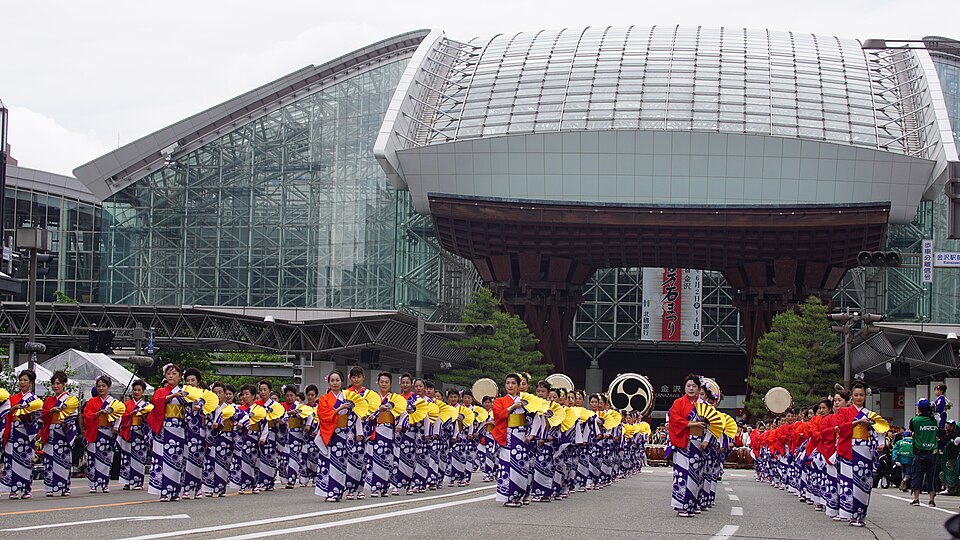
Armoured historical characters process from Kanazawa Station towards the castle, commemorating Maeda Toshiie’s entry into Kanazawa in 1583. Traditional performances and tea events accompany the procession.
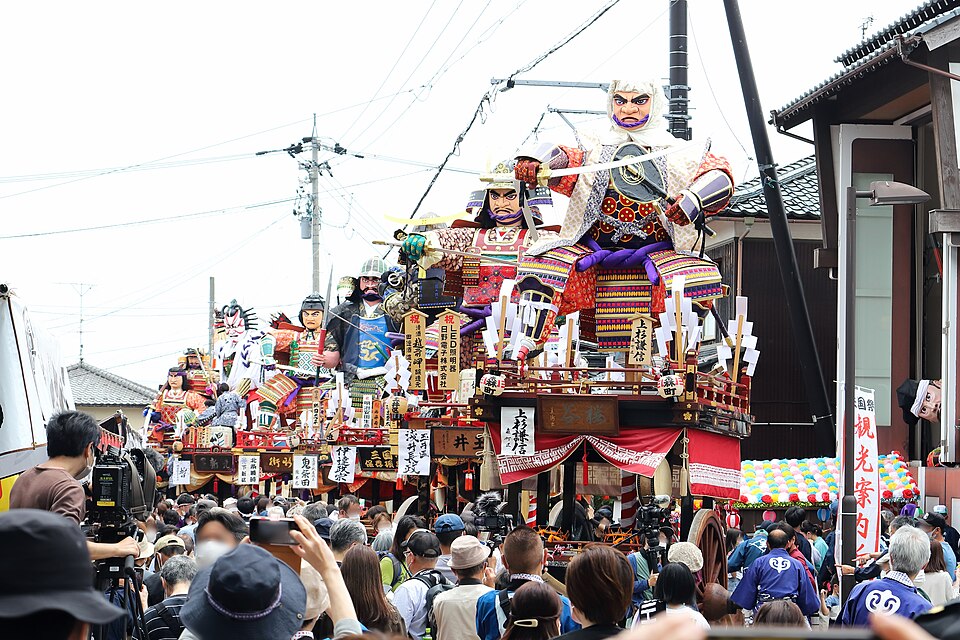
Floats carrying large warrior figures travel through Mikuni’s old port streets. Compare the figures at the shrine gathering before following the town’s festival music and moving floats.
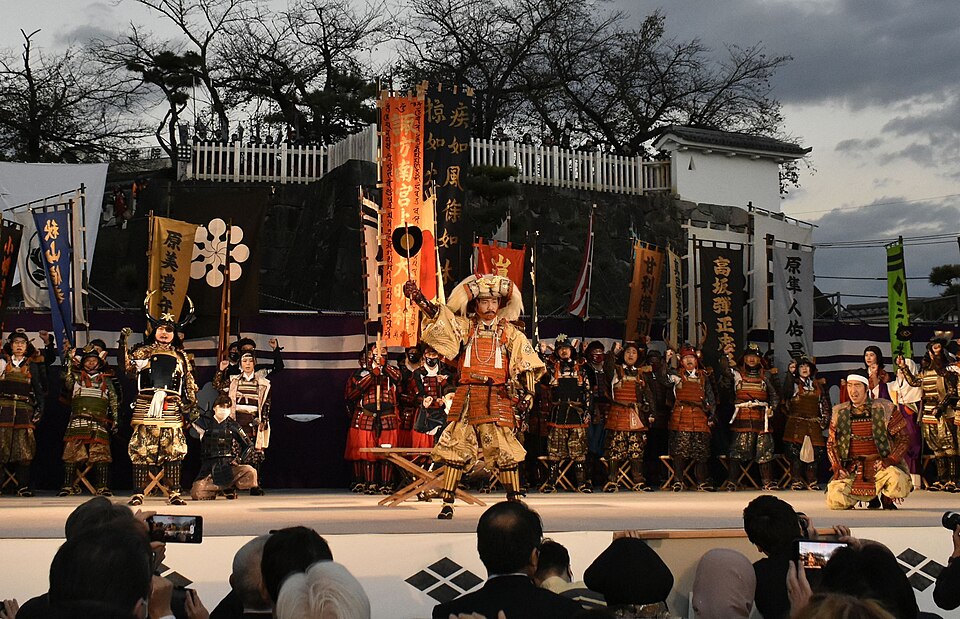
Kofu’s Shingen-ko Festival recreates an armoured muster and street procession associated with Takeda Shingen. The central-city event is distinct from a visit to historic battlefield sites.
Teams dance through central Nagano carrying shamoji rice paddles. Costumes and rhythm vary between teams, making a street-side stop useful for comparing their movements.
Hamamatsu pairs daytime kite events at Nakatajima with decorated goten-yatai floats in the city at night. These are separate sites, so seeing both means planning transport between them.
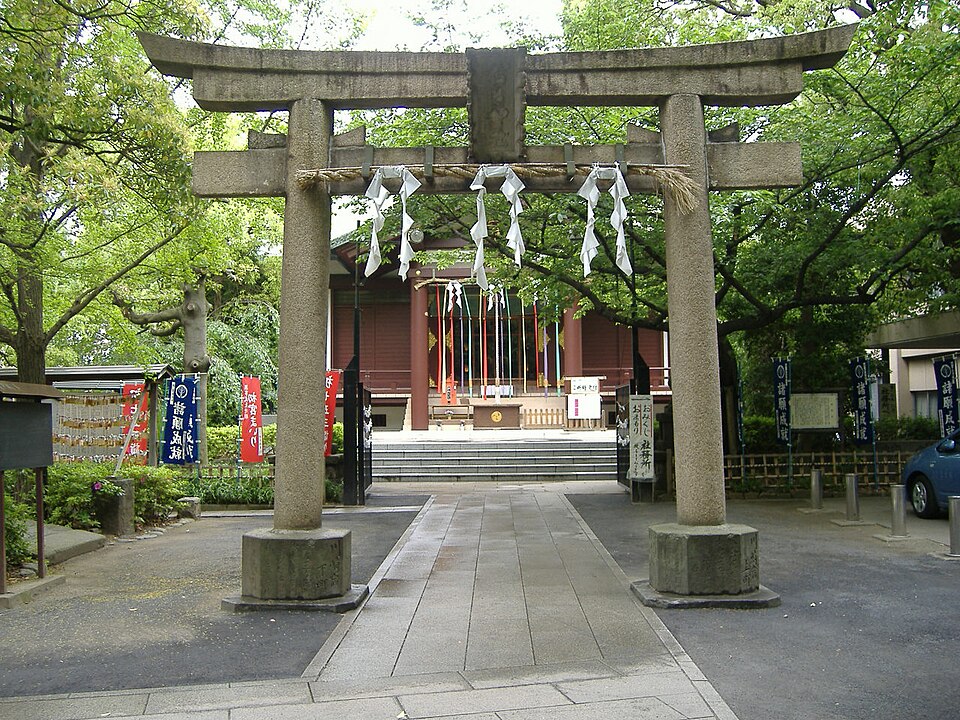
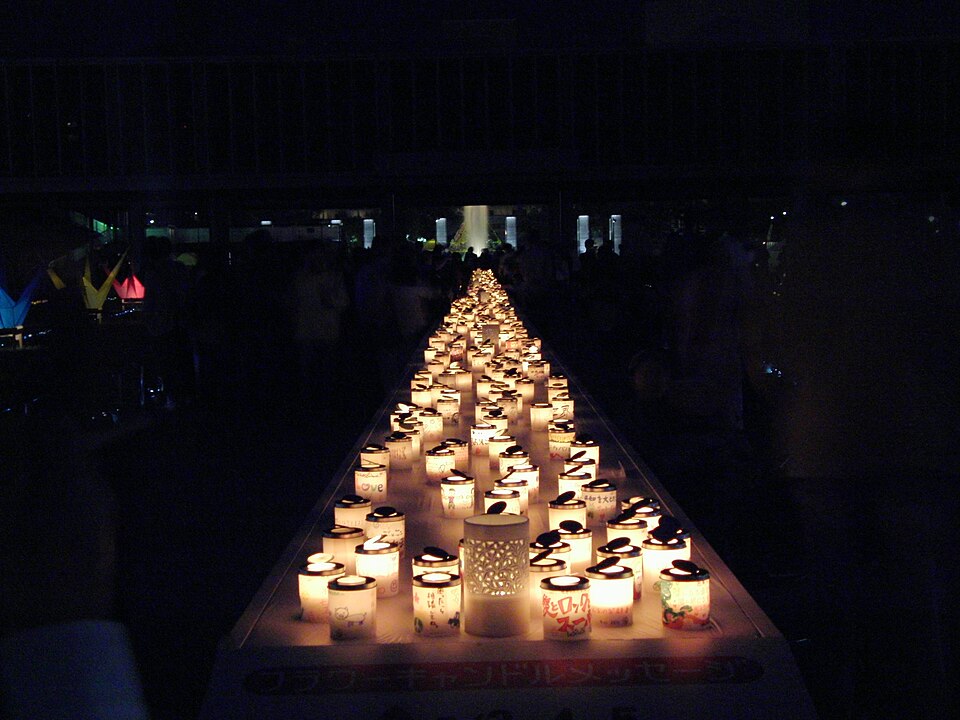
Atsuta Festival combines shrine rituals, traditional offerings and lantern displays at Atsuta Jingu in Nagoya. Plan the shrine programme separately from any announced fireworks viewing.
Usually the first Sunday in August and the preceding day
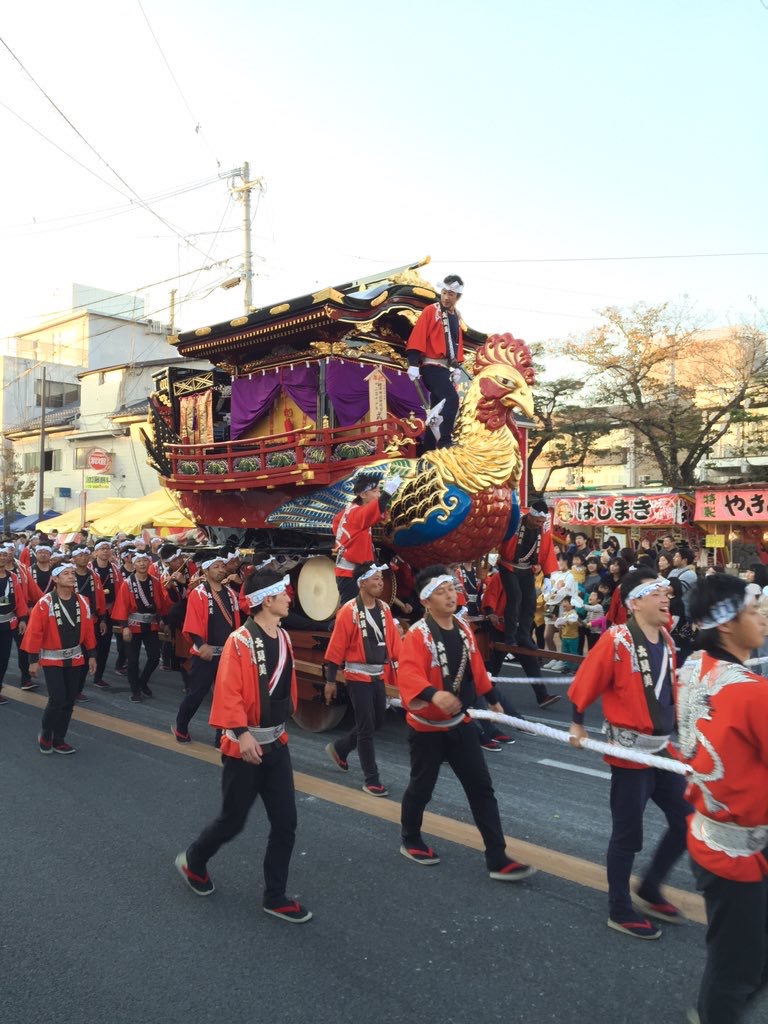
Drums and gongs mounted on festival floats fill Kuwana’s streets with different neighbourhood rhythms. Sound is as much a part of this festival as the float decoration.
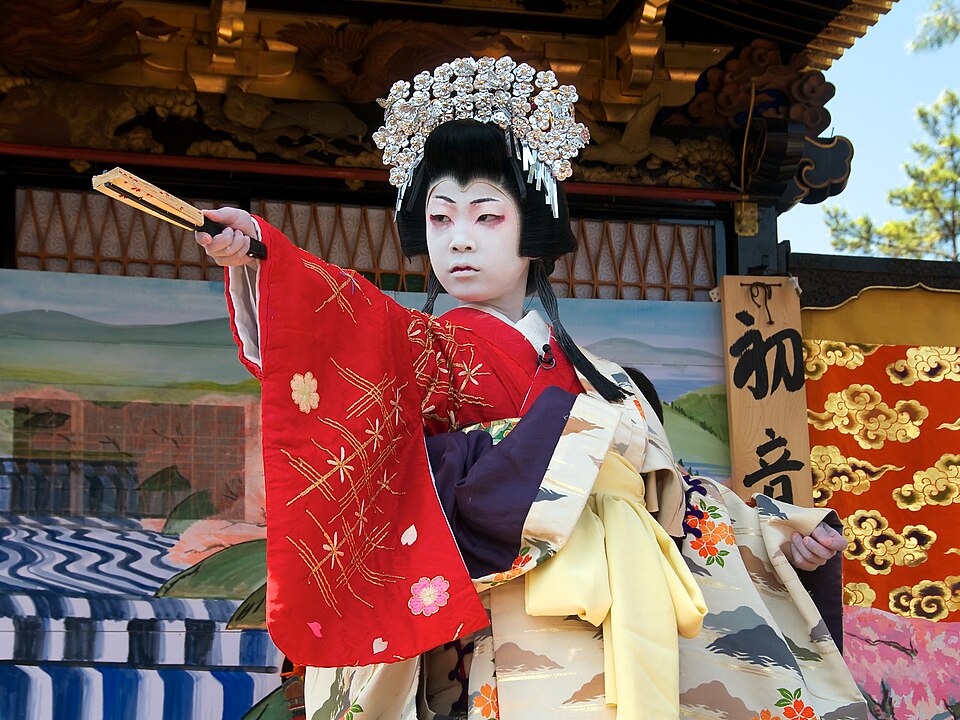
Children perform kabuki on stages built into Nagahama’s hikiyama floats. Choose a performance stop if you want to hear and watch the theatre, rather than only seeing the moving floats.
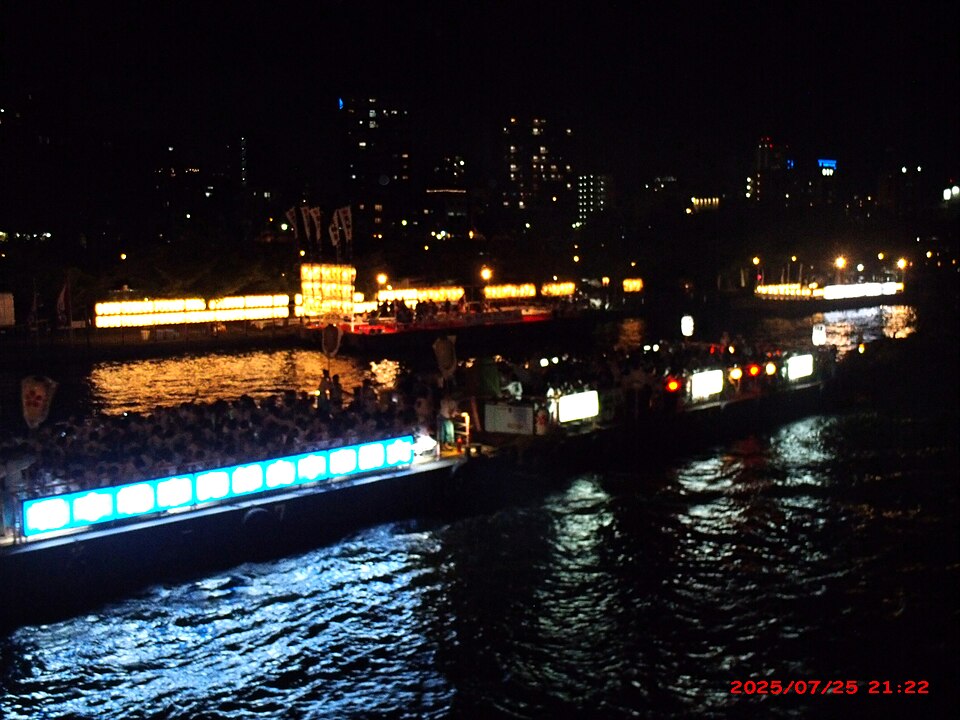
Tenjin Matsuri links Osaka Tenmangu’s shrine rituals with a land procession and boats on the Okawa River. Daytime street viewing and evening river viewing require different stops.
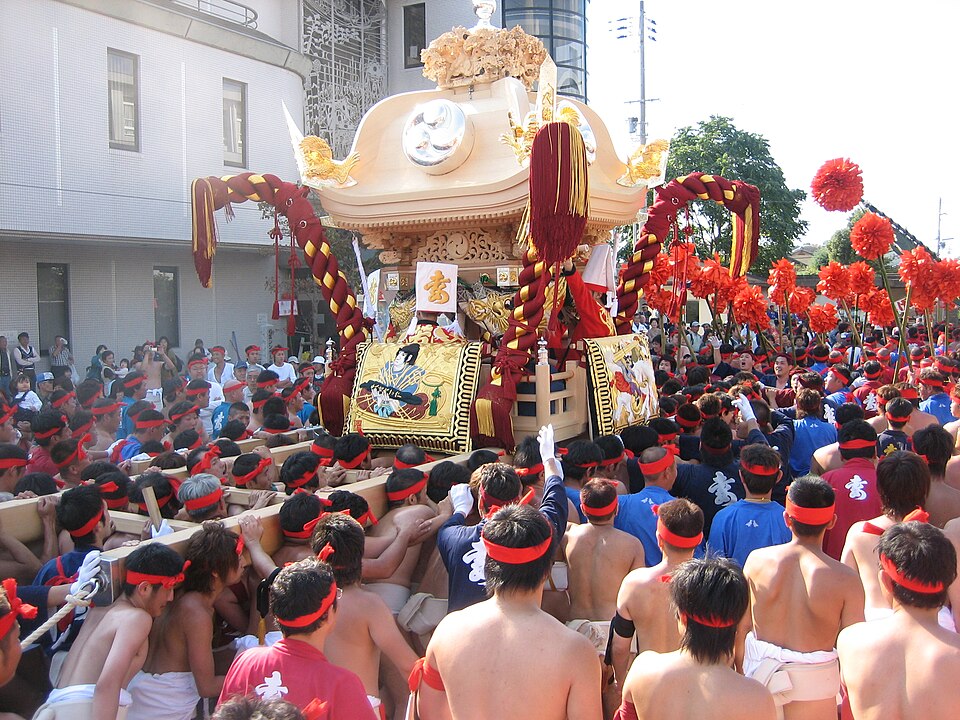
Himeji’s Nada Fighting Festival combines mikoshi clashes with decorated neighbourhood floats. It takes place near the coast, not in the Himeji Castle sightseeing area.
Usually December 15–18; main procession and performances on December 17
Kasuga Wakamiya Onmatsuri brings historical costumes, sacred music and dance to Nara. Kagura, dengaku and bugaku use different times and settings, so choose the performances that interest you.
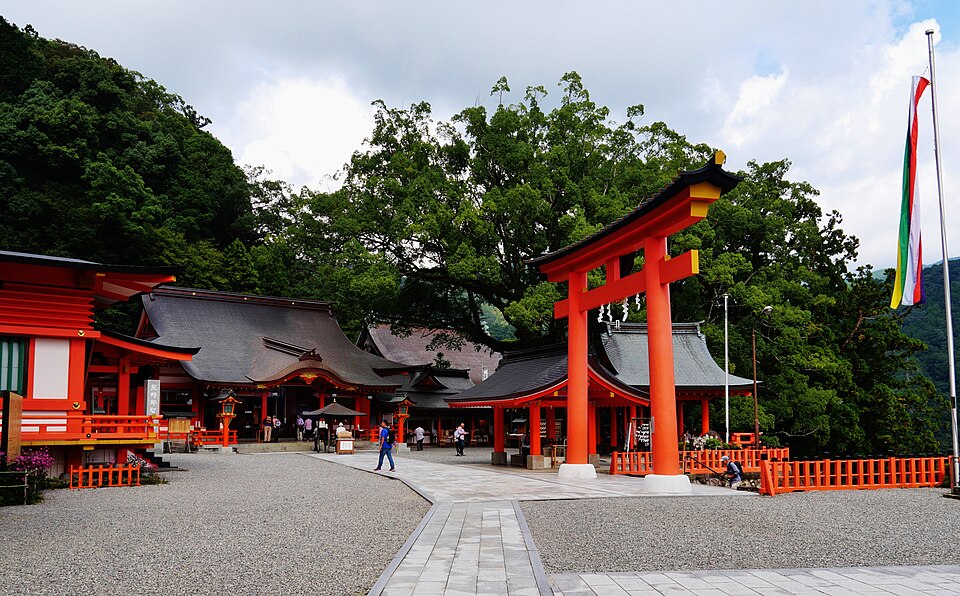
Nachi Ogi Matsuri uses large torches to purify fan-shaped mikoshi on their route towards Nachi Falls. Often called the Nachi Fire Festival, it is a shrine ritual rather than a fireworks display.
Usually August; main umbrella dance around August 14
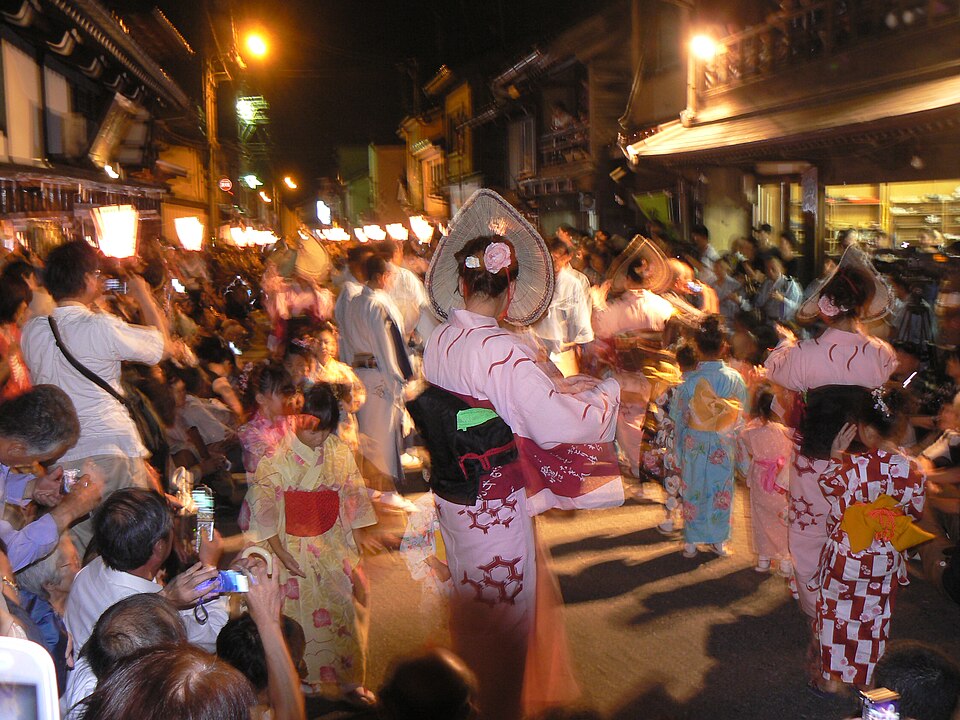
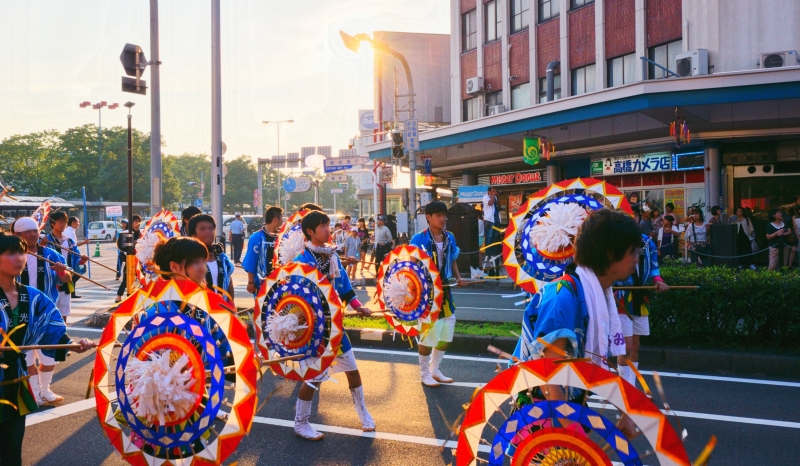
Dance teams turn colourful bell-covered umbrellas through Tottori’s centre. The coordinated umbrella movements and ringing bells are the main street-viewing attraction.
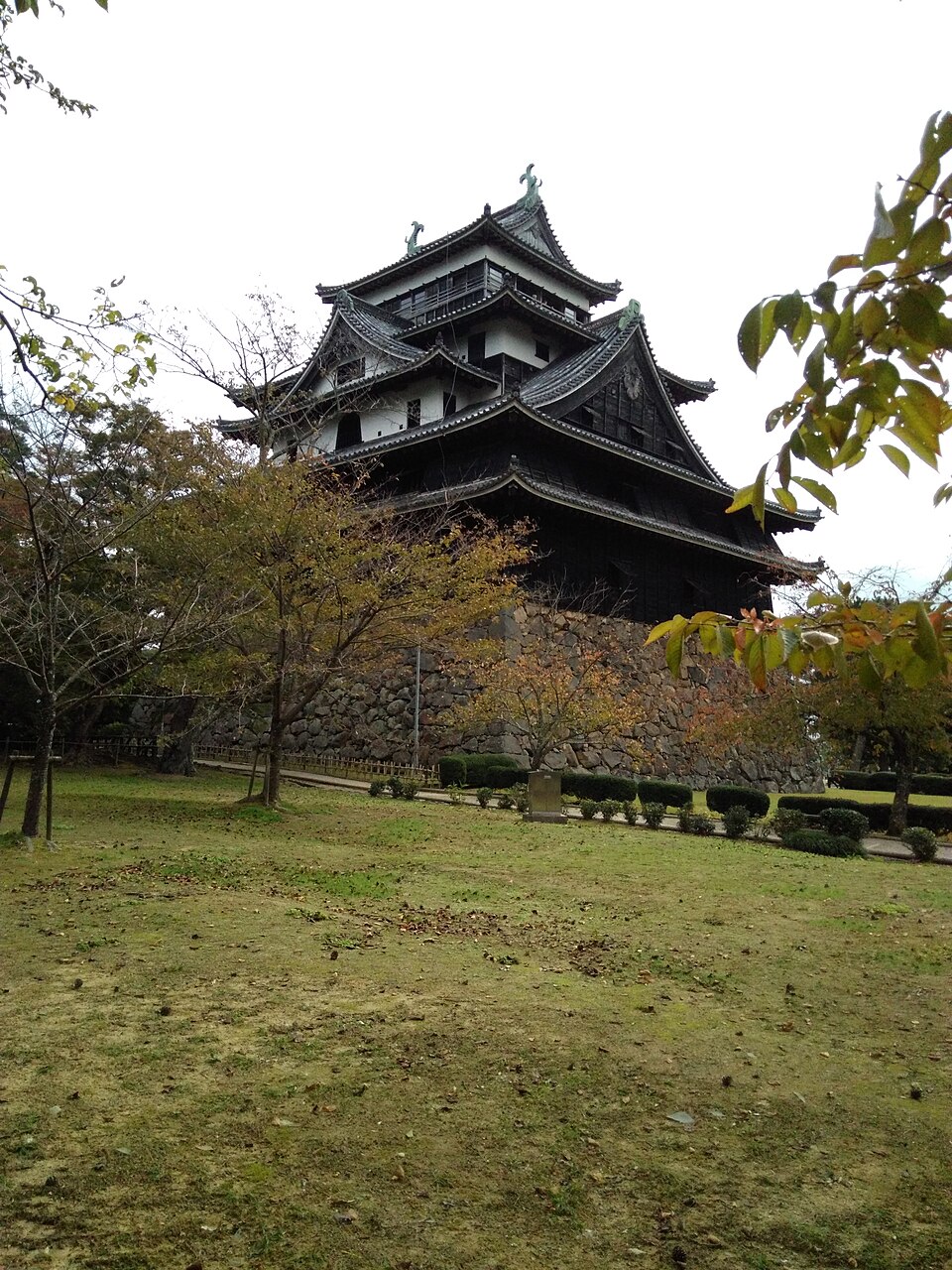
2026: September 26–27; October 3–4, 10–12 and 17–18, 18:00–21:00 JST
Lanterns light Matsue Castle and nearby streets on selected autumn evenings. This suits a night walk around the castle town rather than a visit built around a moving parade.
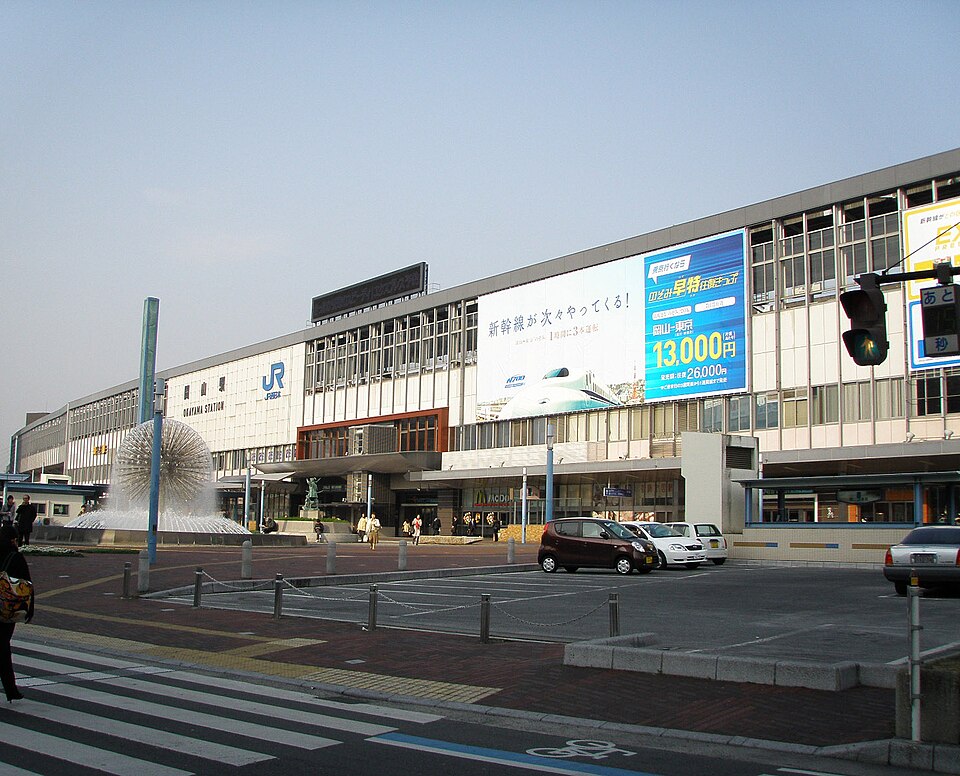
Uraja teams dance with face paint inspired by an oni figure from the Momotaro tradition. Stage performances and street parades use several sites across Okayama.
Hiroshima’s Flower Festival brings flower-themed parades and community performances to Peace Boulevard. It can fit a visit to Peace Memorial Park, but the stages and parade route are separate viewing choices.
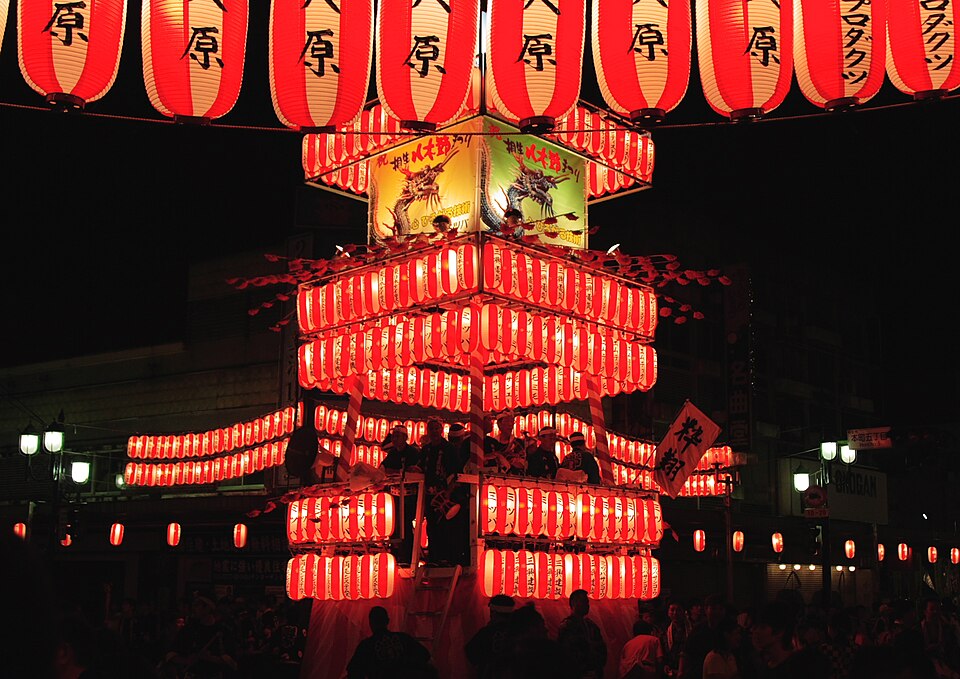
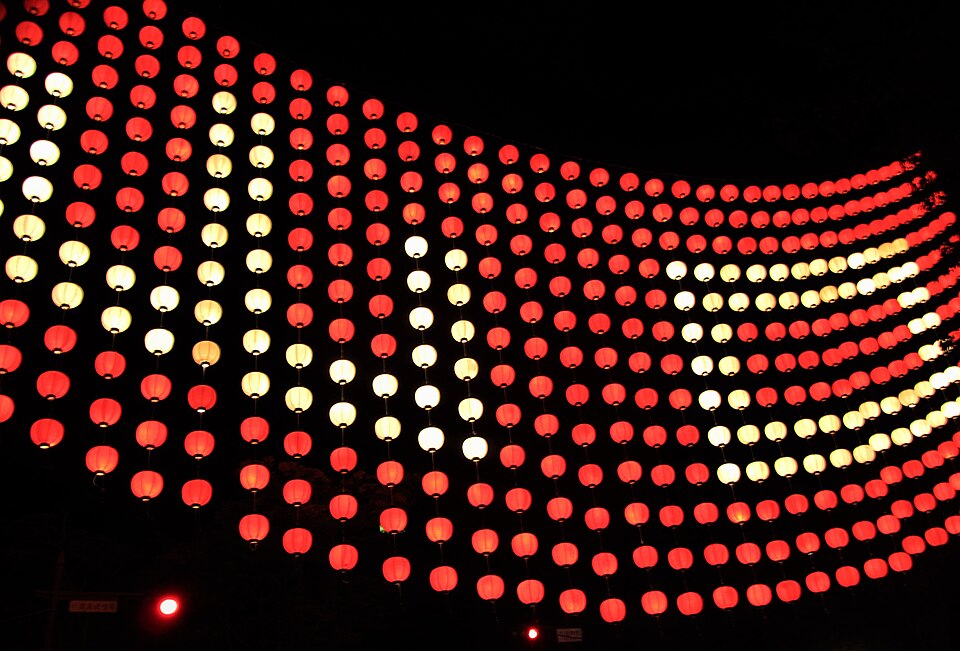
Rows of red lanterns hang from bamboo through Yamaguchi’s shopping streets. This is a summer evening walk through illuminated displays rather than one continuous parade.
Usually August; performance and fireworks dates announced by edition
Takamatsu’s summer festival combines community dancing, stages and waterfront events. The central dance areas and harbour fireworks viewing areas are separate destinations.
Usually mid-October; dates differ between shrine festivals
Saijo Festival groups several shrine celebrations featuring lantern-decorated danjiri and mikoshi. The shrine and river scenes you choose determine both your visit date and destination.
Usually August 9–12; main programme around August 10–11
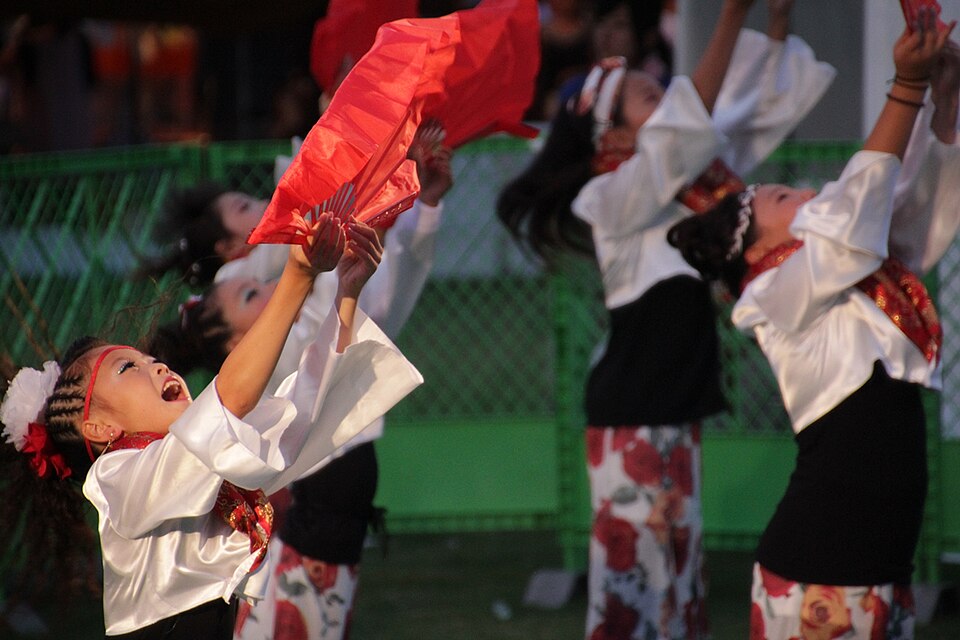
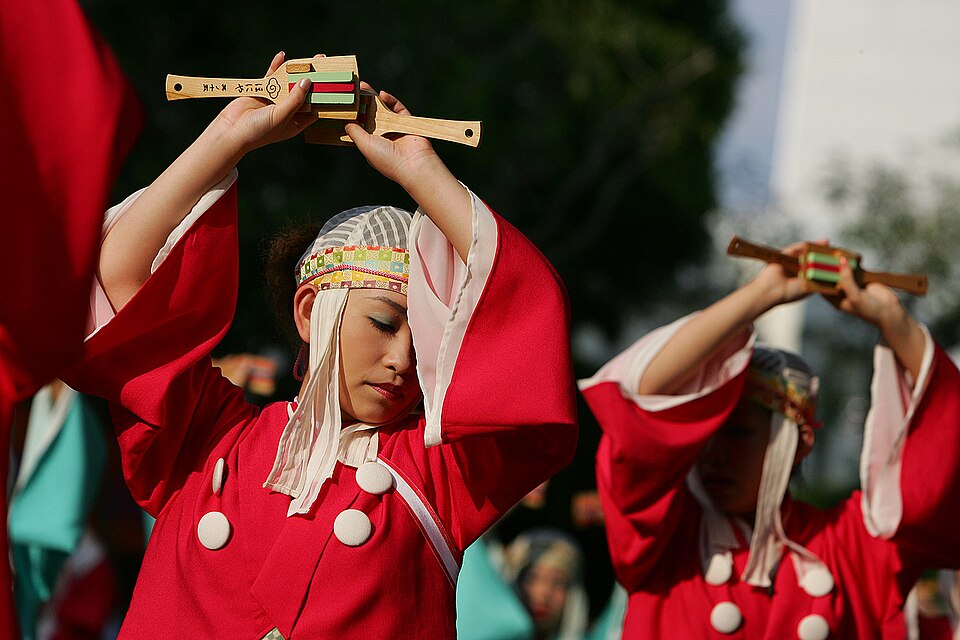
Kochi’s Yosakoi teams dance with wooden naruko clappers. Music and costumes differ between teams, making one performance ground a useful place to compare several groups.
Fish- and lion-shaped hikiyama floats travel through Karatsu. Daytime viewing reveals their shape and decoration; the first evening offers lantern-lit floats.
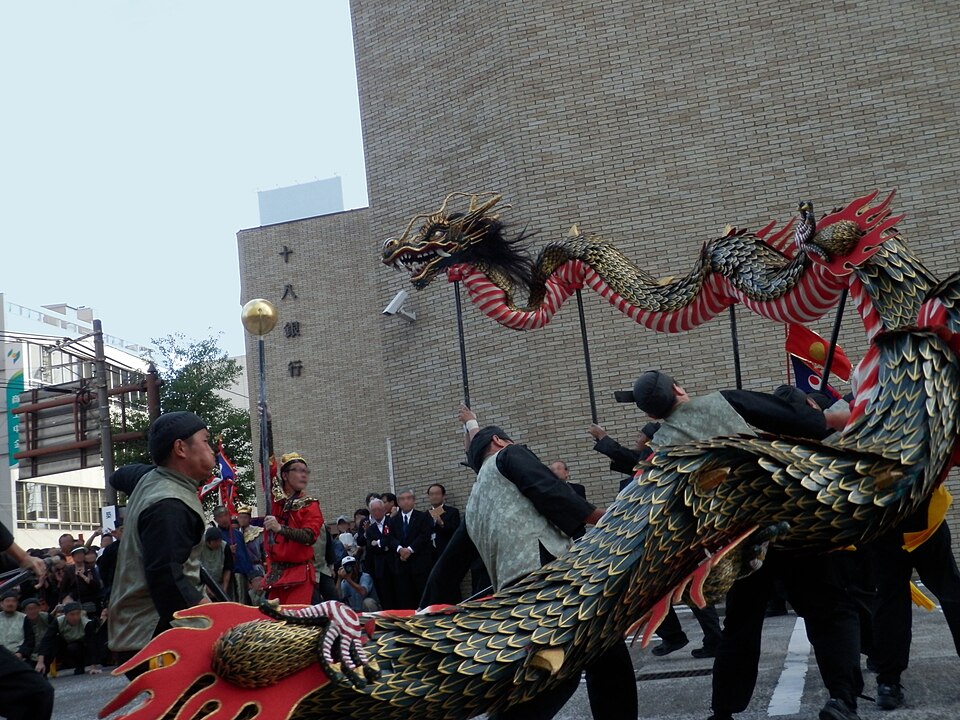
Neighbourhoods take turns offering dances and float performances at Nagasaki Kunchi. The participants change each year, so a particular dragon dance or boat float is not guaranteed in every edition.
2026 major events cancelled; next edition unconfirmed
Usually August 15–16; 2026 mass lantern dance and fireworks cancelled
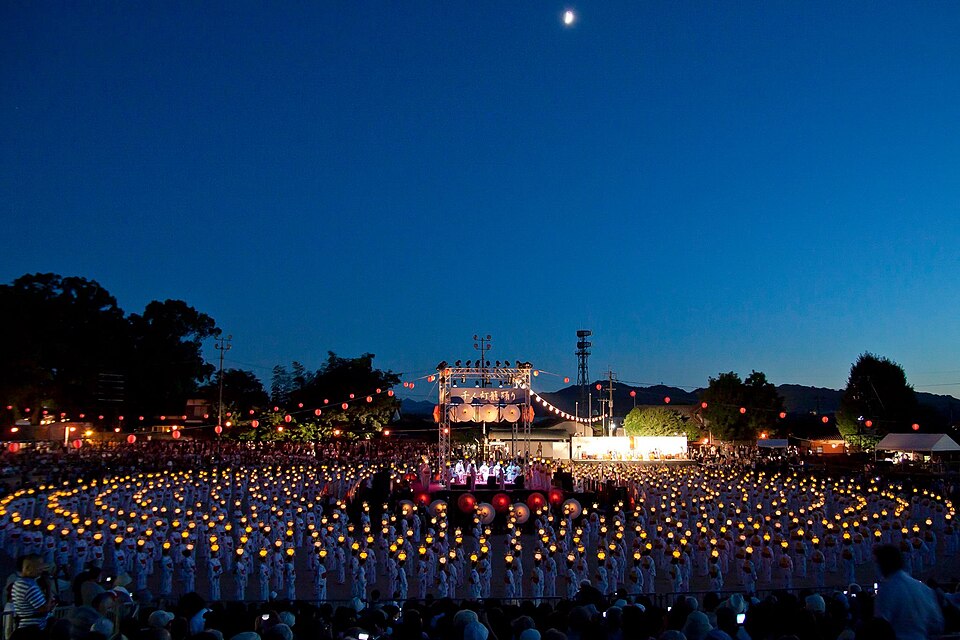
Yamaga is known for dancers wearing golden paper lanterns and lantern offerings. In 2026, the mass lantern dance and fireworks were cancelled; shrine rituals continued rather than the usual full programme.
Usually July; festival weekend announced by edition
Tall yamahoko floats move through Hita’s Mameda and Kuma old-town districts to Gion festival music. The two districts have separate routes, not one compact viewing area.
Usually November–February; each village has its own offering dates
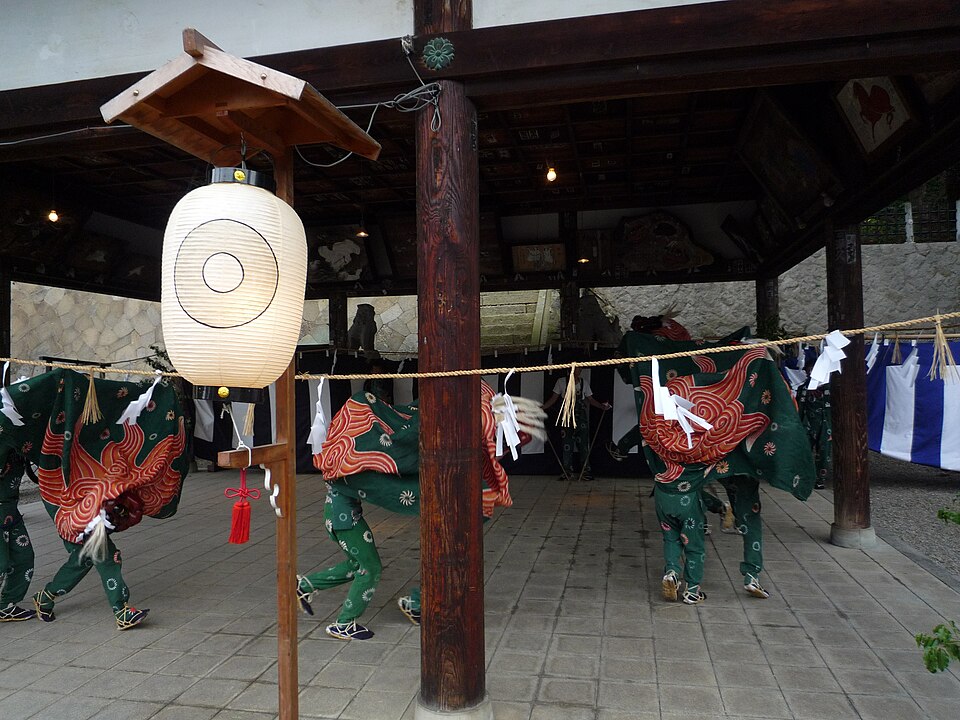
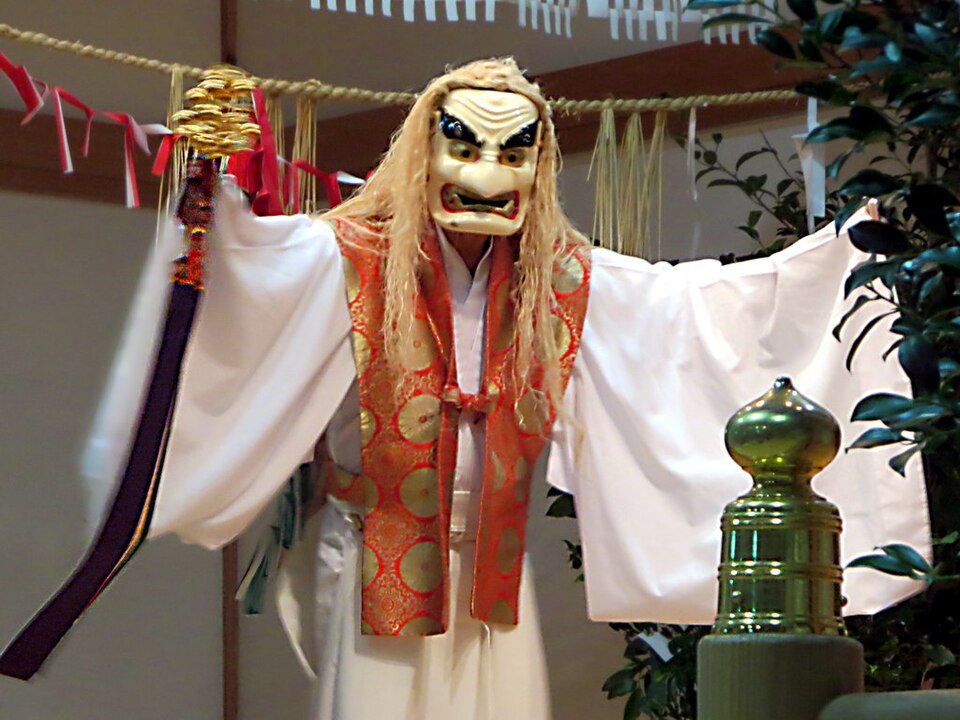
Takachiho Yokagura is an overnight village offering of traditional dances at a kagura-yado. It is different from the shorter visitor performance at Takachiho Shrine.
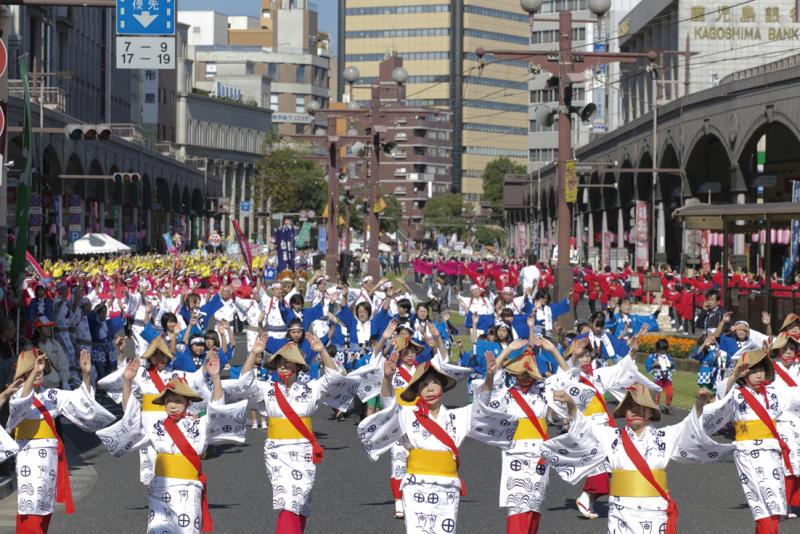
Ohara Festival brings teams dancing to local music through Kagoshima’s central tram streets. Tenmonkan is a useful viewing district for comparing their costumes and movements.
Usually October; tug-of-war date announced by edition
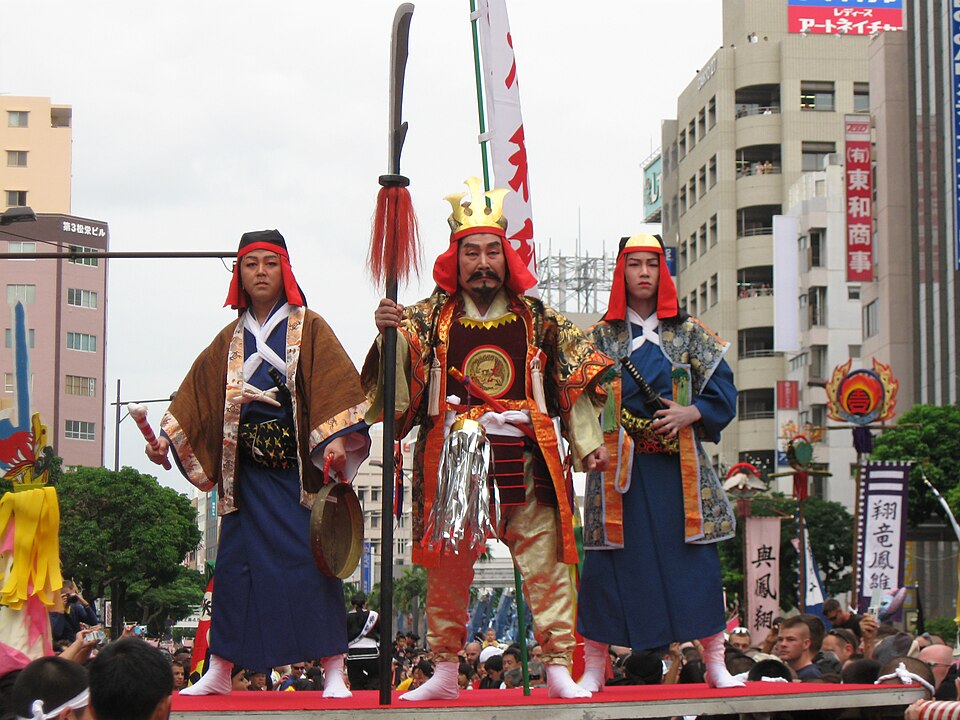
Naha’s Great Tug of War divides a huge rope between east and west teams. The hatagashira flag procession and tug of war use different streets, so leave time to move between them.
How can I find a Japanese festival for my travel dates?
Choose your month, prefecture or city to narrow these 48 festival and event guides. Open a guide for its recorded dates, venue, public transport and official programme links.
Are all festival dates confirmed for the next year?
No. The directory separates confirmed editions, past recorded editions and usual annual timing. A past date or customary season does not confirm the next event. Cancellations and selected-evening programmes are stated in the relevant guide.
Which date should I use when travelling from Canada?
Festival dates and times refer to Japan local time (JST), not the date in Canada. Use the Japan arrival date on your itinerary, including any date change, before choosing an event day.
Does a festival map point show the whole procession route?
No. A map point represents one main location. Multi-venue festivals and moving processions need the official route or venue map linked in the guide.